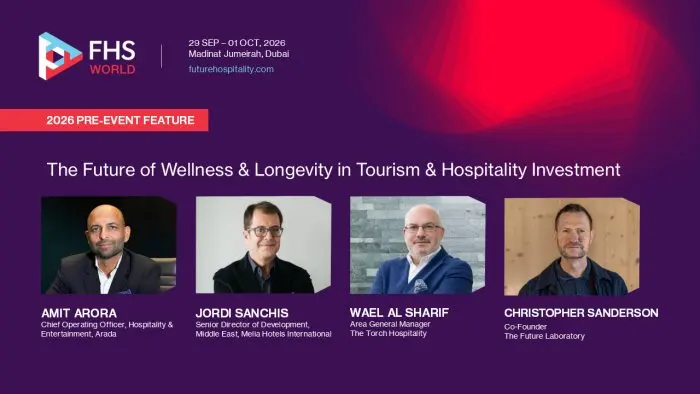
Wellness used to mean a treadmill and a spa menu. According to a panel of hospitality executives and analysts speaking ahead of the Future Hospitality Summit in Dubai, that era is over — wellness is now being treated as a serious real estate asset class, and 'longevity' is its fastest-growing expression.
The numbers back the hype. A 2025 analysis by RLA Global and HotStats covering more than 12,000 hotels found that properties with substantial wellness offerings generated more than double the total revenue per available room of hotels without them. UBS expects above-average equity returns from longevity this decade, and the Global Wellness Institute forecasts wellness tourism growing 9.1% a year to 2029, with longevity travel set to jump from $27 billion in 2024 to $44 billion by 2030.
What does that look like on the ground? Developers like Arada are building mixed-use projects — think Akala Hotel and Residences — that fuse luxury hotels with preventative healthcare, precision diagnostics and advanced therapeutics. Meliá sees longevity science becoming a credible pillar in premium segments, while insisting hospitality shouldn't turn clinical. Even private clubs are cashing in: The Emory in London charges £10,000 a year plus a £5,000 joining fee for longevity access at its Surrenne members' club.
For travellers, expectations have shifted fast. Five years ago a decent gym sufficed; now guests want data-driven personalisation — sleep and circadian optimisation, nutrition tailored to metabolic needs, biometric tracking — without feeling trapped in a rigid regime. The winning properties pair high tech with high touch: Soneva layers Ayurveda and yoga onto cryotherapy, while SHA's Mexico clinic combines gene therapy with traditional temazcal ceremonies.
A couple of myths are being debunked along the way. Wellness isn't a women-only leisure niche — one operator reports 48% male participation, with business travellers using wellness facilities for stress management and performance. And it isn't just for fitness fanatics; for many guests it simply means a space designed for deep rest and mental decompression.
For holidaymakers, the practical takeaway is that wellness stays are moving from indulgence to measurable outcomes — and hotels that treat wellbeing as an afterthought may soon feel dated. If a holiday that leaves you biologically younger, sleeping better and eating smarter appeals, the options are multiplying quickly, from lean 'minor wellness' boutique hotels (currently posting the strongest RevPAR growth) to full medical-wellness destinations. Watch this space: the experts predict preventative health travel will move from luxury perk to mainstream expectation within the decade.
Original reporting: Breaking Travel News