That fee you pay at the gate of an African national park isn't just admission. New research suggests it's the engine keeping the whole ecosystem running.
A study called The Price of Reconnection, produced by safari operator Mahlatini Luxury Travel, examined entrance fees at 155 national parks and protected areas across 48 countries. One finding stood out: Africa was the only continent where every single park charged an entry fee. Elsewhere, 31 parks in the study — in New Zealand, Japan, Iceland and the United States — let visitors in free, usually because general taxation covers the costs.
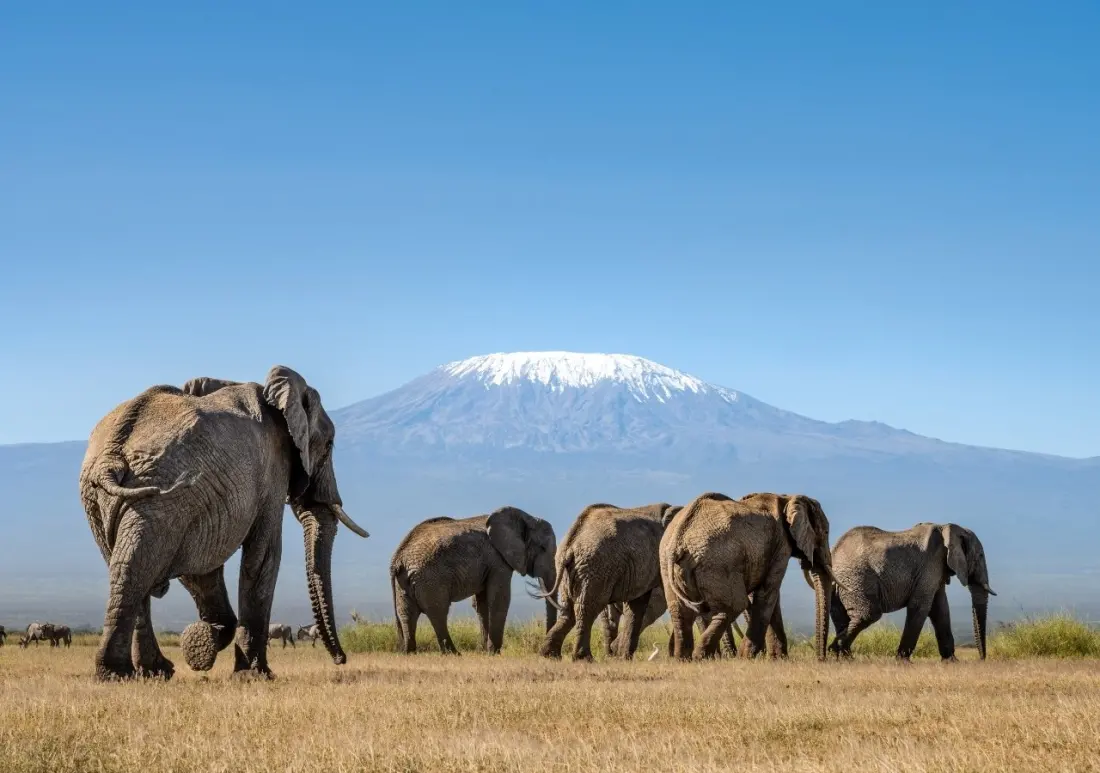
That contrast can make African parks look pricey. The reality is different. With limited public funding, many African conservation areas depend heavily on tourism revenue to pay for ranger patrols, anti-poaching work, habitat management, roads and community programmes. Every visitor is, in effect, part-funding the survival of the wildlife they've come to see.
Greg Fox, co-founder of Mahlatini, told Nomad Africa Magazine that most travellers accept fees more readily once they understand where the money goes — and that clear, tangible impact turns a cost into a contribution. He noted that fees rarely decide where people go on safari; wildlife and overall experience matter far more. But big increases can bite, especially for families or longer trips, shaping how long visitors stay.
The study's headline example is Kenya's Maasai Mara National Reserve, where international visitors pay US$200 per day in peak season — the most expensive park in the study relative to the income of US travellers. Premium pricing isn't only about revenue, though. During the Great Migration, higher fees also help manage demand and ease pressure on a fragile, globally significant ecosystem.
There's a fairness question too. If fees are set purely for international wallets, local communities risk being priced out of their own natural heritage. Several parks already charge residents a fraction of the international rate, and Fox argues that preferential local and regional pricing should stay, even as foreign visitors pay a meaningful share. With domestic tourism growing across Africa, that balance matters more each year.
His other ask is transparency: travellers should know what their fee funds, fee structures should be simple, and operators need warning of increases — many safaris are booked 12 to 18 months ahead, so surprise hikes hit hard.
The takeaway for anyone planning a safari: don't resent the gate fee, but do budget for it. Ask your operator how the money is used, factor park fees into your itinerary — they can add up quickly over a multi-park trip — and consider travelling in shoulder season, when fees and crowds are often lower. That US$200 day in the Mara may feel steep, but it's doing more than opening a gate. It's paying rangers, protecting rhinos and keeping communities invested in the wild. The report's conclusion is that there's no universal funding model — some countries subsidise access, Africa largely relies on visitors — but the real question isn't whether fees are high or low. It's whether they work.