
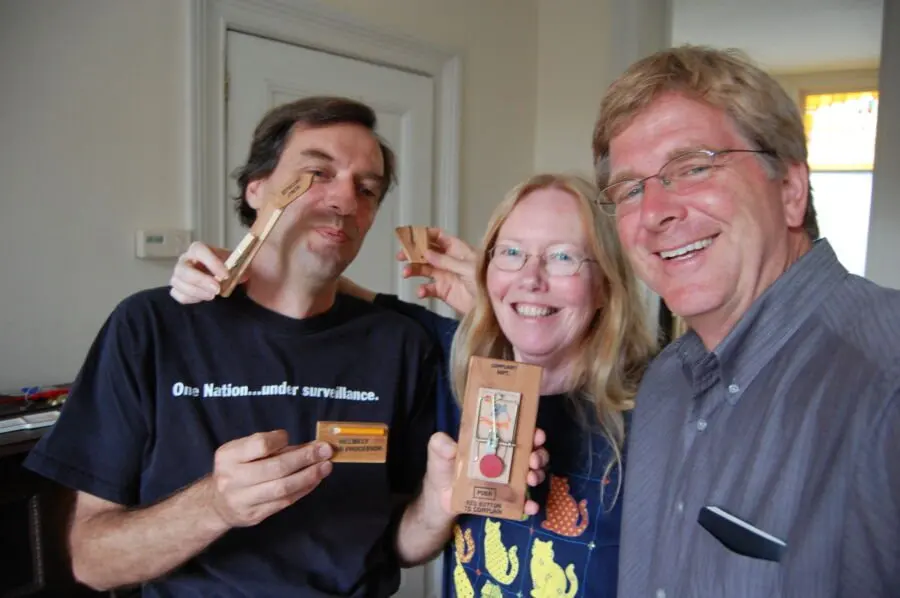
Travel writer Rick Steves has a favourite memory from the summer of 2008: an evening in the living room of a bed and breakfast in Haarlem, a compact city just outside Amsterdam, with his hosts Hans and Marjet. Over Heineken, the conversation drifted from a Dutch government safe-sex handbook left casually on the coffee table to national stereotypes, breakfast habits and why the Dutch are reportedly the most sought-after staff at Disneyland Paris.
It sounds like a odd way to spend a holiday evening, but it captures something real about the Netherlands — a culture where frankness about the body is unremarkable. As Marjet put it, sex is not a taboo or a marketing hook there, and she pointed to the country's teen pregnancy rate, roughly half that of the United States, as evidence that openness and recklessness aren't the same thing. Hans recalled schoolboy trips to English beaches where he and a friend scandalised retired Brits simply by changing into swimwear without a towel. The English, he joked, don't know how to be flabbergasted; Americans, by contrast, get flabbergasted constantly — and their hosts love them for it.
The couple's observations go beyond anecdote. Hans describes the Dutch as sitting between their neighbours: efficient like the Germans, but wanting to live like the French, and borrowing the British sense of humour via BBC comedies. His read on guests at breakfast is sharp: Americans talk and make friends quickly, Germans know exactly what they want, the French, in his words, take three days to defrost. Marjet says Americans taught her to say what she really thinks — even if she finds the compulsory cheerfulness of American service culture ('have a nice day' as a job requirement) faintly hilarious.
The real point, though, is the setting. Haarlem makes an easy, cheaper base for Amsterdam, but the deeper argument here is about where you sleep. Steves notes that B&B hosts are often keen students of intercultural quirks and love to share what they've learned, offering an intimate read on a culture you'd never get from a hotel front desk. Hans and Marjet live in three rooms of their house and rent out five; guests are encouraged to flop on the sofa among the crowded books, well-worn chairs and an upright piano piled with tattered sheet music. His most memorable moments, he admits, came after the sightseeing was done.
For travellers, the takeaway is simple. Choose small guesthouses over anonymous hotels, especially in the Netherlands where hosts tend to speak English, German and French fluently and are unafraid of honest conversation. Bring your questions, accept the beer you're offered, and be ready to be gently teased about your nationality. You may arrive in Haarlem for the Grote Kerk and the Vermeers and leave with a completely different kind of souvenir: an evening of jokes, opinions and cultural comparison you'd never find in a guidebook. Being flabbergasted, it turns out, is a skill worth travelling for.