
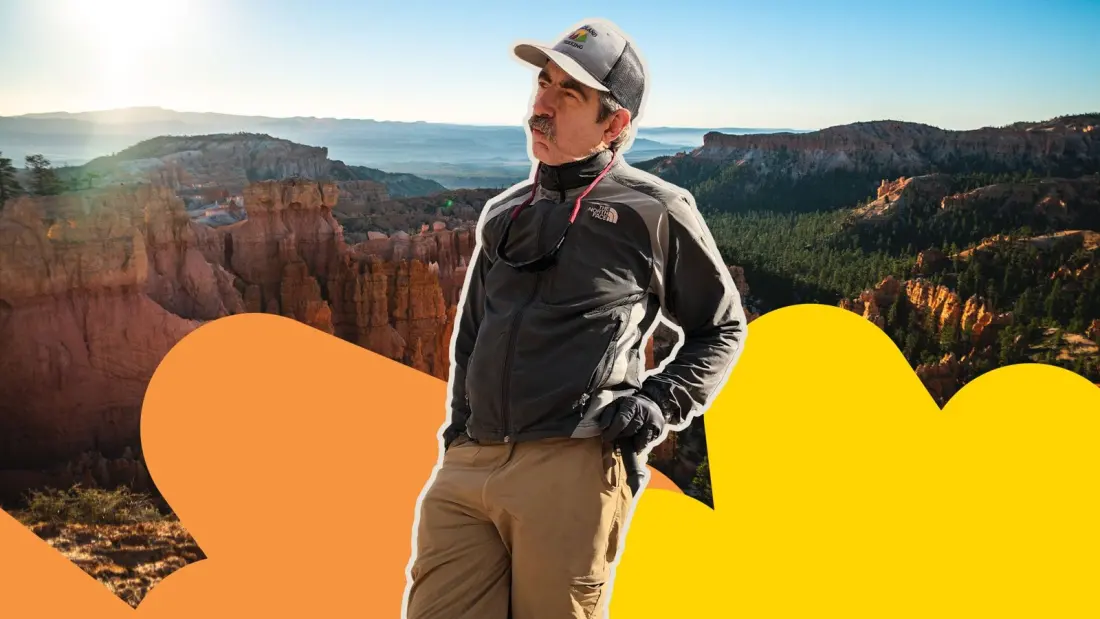
Doug Campbell has a striking statistic from his own guiding season: zero international guests. The Wildland Trekking guide, who has been leading hikes in the American Southwest since 2008, usually welcomes Canadians, Brits and Australians alongside his domestic groups. This year, none came — a pattern reflected in nationwide declines in foreign visitation.
He doesn't blame travellers for hesitating. Between policy shifts affecting public lands, a new USD 100 per-person surcharge for non-US residents at marquee parks like the Grand Canyon (stacked on top of standard entry fees), tighter visa rules and a quarter of National Park Service staff cut since January 2025 according to the National Parks Conservation Association, the headlines have made the US feel like a tricky destination. Campbell says the staffing cuts have mostly shown up behind the scenes at the Grand Canyon — low morale rather than visible chaos — and he's quick to praise rangers who keep showing up.
His counter-argument is simple and comes from the trail itself. On multi-day treks, he says, guests with wildly different politics and backgrounds end up connecting over the shared experience of the landscape. Nobody spends much time relitigating the news when they're listening to a stream or watching snow-capped peaks. He points to the warm reception many foreign visitors reported during the 2026 FIFA World Cup as evidence that the country's reputation abroad and its reality on the ground aren't the same thing.
Campbell's practical tip for travellers who do come: go beyond the famous names. The Grand Canyon draws nearly five million visitors a year, while Canyonlands National Park in southeast Utah — which he describes as like visiting another planet — gets around 800,000, half the traffic of neighbouring Arches. He also nudges people toward national monuments, forests and wilderness areas beyond the park system, and toward quieter corners of even the busiest parks, where solitude and wildlife encounters (he's had close moments with a mountain lion in New Mexico's Pecos Wilderness and paddled among caribou and grizzlies in northern Alaska) are still very findable, especially with a guide.
His broader view is that this tense moment will pass, but the parks won't go anywhere. The Grand Canyon and Yellowstone will keep doing what they've always done, and for anyone after perspective or a reset, he argues the American wilderness is a decent place to find it. travellers, this is a useful reality check: the practical hurdles are real and worth budgeting for, but the welcome, the guides and the trails haven't changed. If you'd like to support the parks themselves, The Intrepid Foundation is matching donations up to US$20,000 for Grand Canyon flood recovery via the Grand Canyon Conservancy.