A new rail initiative signed in Croatia in early October 2026 could eventually let you hop a train down the Adriatic from Italy to Greece — and put Croatian coastal cities on Europe's high-speed map.
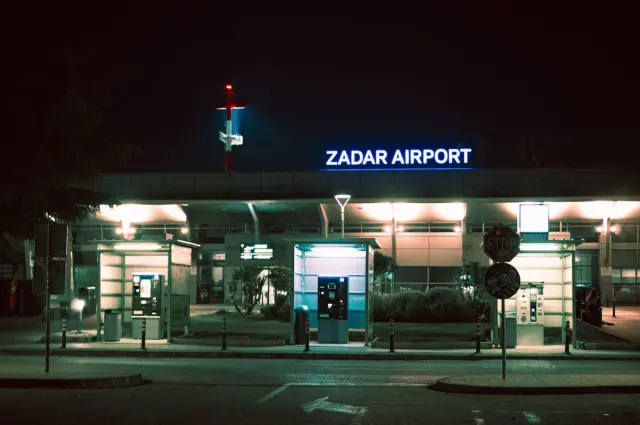
The plan, dubbed the Adriatic-Ionian Railway Corridor, would link Trieste in Italy with Koper in Slovenia, then thread through the Croatian ports of Rijeka, Zadar, Šibenik, Split and Ploče before continuing to Bar in Montenegro, Durrës in Albania and onward to Greek centres. The signing ceremony drew MEP Nikolina Brnjac, Zadar County Prefect Josip Bilaver, coastal county representatives and State Secretary Žarko Tušek — a sign of how seriously Zagreb is taking it.
For Croatia, the pitch goes beyond better holidays. Brnjac argued the corridor would for the first time properly tie Istria, the Kvarner Gulf and Dalmatia into the rest of the Croatian and European rail network, while also connecting the ports of Ploče, Split, Zadar, Šibenik and Rijeka into one freight system. HŽ Infrastruktura chief Damir Lončarić called the corridor a strategic issue for the state, and officials note the Ukraine war has made alternative, reliable transport routes a security priority as well as an economic one.
Money, as ever, is the sticking point — but there is a plan. Brnjac pointed to €81 billion in EU funds available until the next financial framework, of which €35 billion is earmarked for transport. If the Trans-European Transport Network (TEN-T) regulation opens up, the Adriatic-Ionian route would become a full EU corridor and unlock financing. A final conference is planned in Brussels early next year, where the initiative will be handed to EU Transport Commissioner Apostolos Tzitzikostas, who has reportedly already backed it.
There is domestic homework too. Croatia is preparing study documents for the Učka railway tunnel, with a tender for the lowland rail project and the Rijeka connection expected next year — a reminder that even before the big international corridor materialises, Croatian rail is set for serious investment.
Why should travellers care? Anyone who has tried to reach the Dalmatian coast knows the drill: congested summer roads, patchy buses and trains that often skip the best towns entirely. A functioning Adriatic rail spine would make it realistic to travel from Venice or Trieste to Zadar, Split or Dubrovnik's port at Ploče without a car — and open up rail extensions to Montenegro and Albania, two of the Adriatic's least-explored stretches. Freight would move off the roads too, easing the summer traffic that clogs the coast. Nothing is built yet: this is a signed initiative at the start of a long EU process, not a timetable announcement. But as first steps go, getting the European Commission's attention and a Brussels conference is a solid one. Watch this corridor — it could change how you plan an Adriatic trip by the end of the decade.