Forecasters are watching sea-surface temperatures in the eastern Pacific that are warmer than any El Niño ever recorded. On 21 September, readings hit 3.08°C above the 1991–2020 average, and NOAA puts the odds at 75% that this becomes the strongest event since records began in 1950. Fewer than ten super El Niños have occurred in that time; the last was 2015–16. Peak intensity is expected by early 2027, and the World Meteorological Organization warns of severe floods, droughts and storms worldwide.
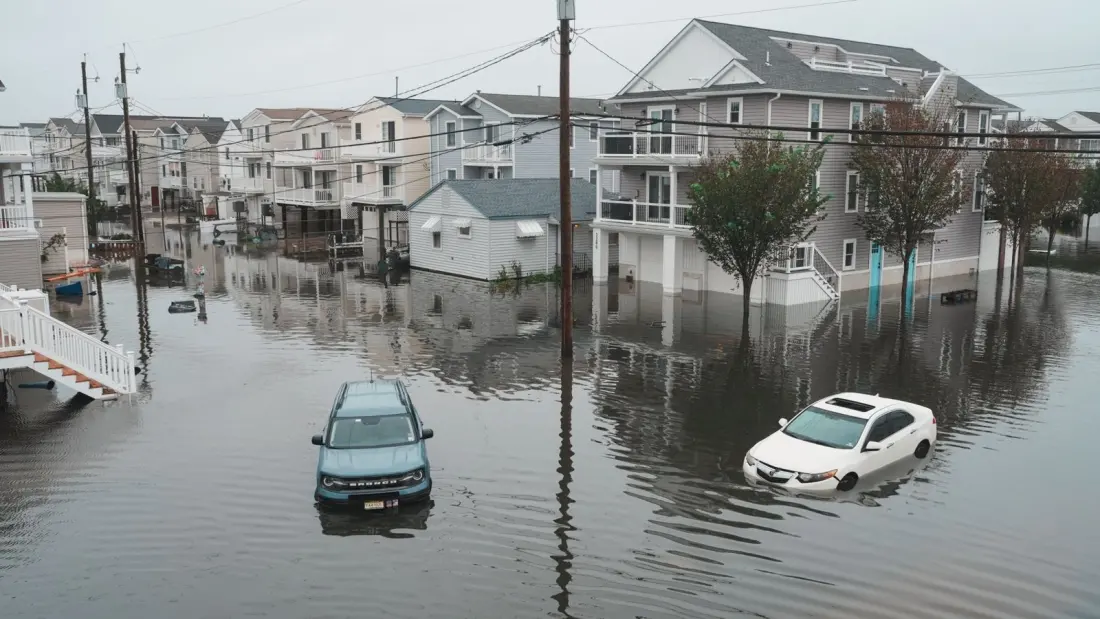
For travellers, the practical picture is a tale of two halves. The US South, Gulf Coast and parts of the Atlantic seaboard face a wetter, stormier winter, with flooding and road closures a real risk for coastal resorts. The northern US, Northeast and Canada skew warmer and icier — more sleet, less powder — which is bad news for New England and European ski plans. The West flips the script: the Sierra Nevada and Utah's Wasatch Range could score huge snowfalls, and California's coast may see monster surf. Governor Gavin Newsom has already declared a state of emergency to prep for a potentially historic storm season.
Elsewhere, expect wetter December-to-February conditions in coastal Ecuador and northwest Peru, where heavy rain can snarl mountain roads. El Niño should suppress late-season Atlantic hurricanes — some relief for the Caribbean — but Pacific storm activity climbs, and Hawaii has already weathered four major storms since August. NOAA also flags elevated wildfire risk.
The experts quoted in the report agree on one thing: weather can no longer be an afterthought. Their advice boils down to building slack into every trip. Book changeable flights and rooms, skip tight connections, and arrive a day early if you have a cruise or expedition departure you can't miss. Act on forecasts before airports clog and hotels fill — and remember a storm a thousand miles away can still ground your connecting flight. On the ground, keep devices charged, carry backup power, stash some emergency cash and keep your passport handy. Skiers and beach-lovers should pick properties with flexible policies and indoor backups, and identify which days of the trip genuinely hinge on good weather. Weather-guarantee services like Sensible Weather and WeatherPromise will even refund trip costs when conditions ruin your plans.
Why does this matter now? Because "when El Niño goes big, it tends to go extra big," as one meteorologist put it, and past strong events have produced everything from record Sierra snowpack to well-below-normal seasons. If you're booking a winter holiday — ski, sun or city — check the regional outlook for your destination and everywhere you'll transit, and pay a little extra for flexibility. It's cheaper than rebooking a ruined trip.
There's a sustainability angle too: the writer behind the piece suggests taking the train to the mountains where you can (Denver's Winter Park Express is one example) and choosing resorts with credible green credentials, like B Corp-certified Taos Ski Valley.
Credit: Outside Travel