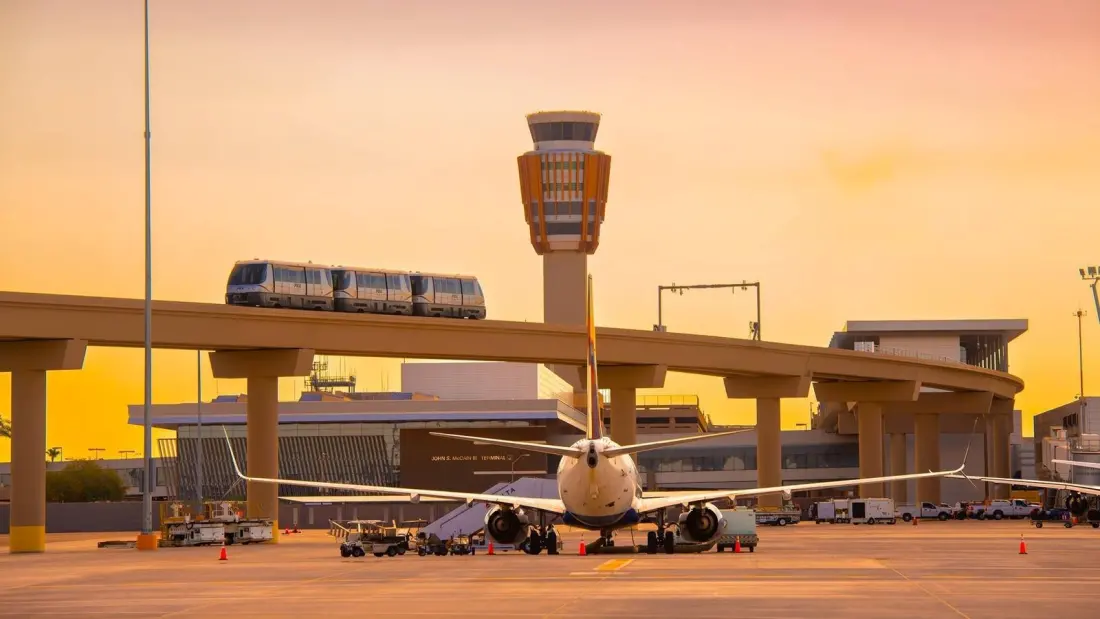
Phoenix Sky Harbor has picked its anchor tenant for the West Terminal, the airport's first brand-new terminal since Terminal 4 opened back in 1990. American Airlines, already the biggest carrier at PHX, will lead the project when it eventually opens around late 2033.
The numbers explain why American got the nod. The airline handles over 40% of Sky Harbor's passenger traffic, moves more than 20 million travellers through Phoenix each year, and runs over 300 peak daily departures to more than 100 destinations. Its ties to the city run deep: predecessors of the carrier have served Phoenix since 1930, and it launched the region's first scheduled jet service with a Boeing 707 in 1963. Around 8,000 American employees work across Arizona. CEO Robert Isom called Phoenix a critical part of the airline's network and flagged plans for added premium spaces in the new building.
Phoenix needs the space. Terminals 3 and 4 have no room left for extra gates, and the airport logged more than 48 million passengers in 2023. The West Terminal will rise on the airport's western side, between Terminal 3 and Taxiway U, on land where the old Terminals 1 and 2 once stood (both closed and demolished, in 1990 and 2020 respectively). It's being designed with international traffic and widebody aircraft in mind, which could mean more long-haul options out of Arizona in future.
Don't expect to walk through it anytime soon, though. Planning started in 2026, a design team will be chosen in 2027, and construction might only begin in late 2029. The gate count and terminal size are still undecided, and the estimated price tag sits around $4.5 billion, funded through passenger facility charges, bonds and airport revenue rather than local taxes. In the meantime, Sky Harbor is spending hundreds of millions upgrading Terminal 4, which currently handles more than 75% of all passengers, plus adding a six-gate concourse on the north side of Terminal 3.
For travellers, the practical takeaway is modest for now but meaningful later: Phoenix is clearly positioning itself as a bigger international gateway, and anyone flying American through the Southwest should see better facilities and possibly new routes by the mid-2030s. Regulars at Sky Harbor will mostly notice the smaller projects first, like the Terminal 3 concourse and airfield improvements.