Autumn hiking isn't just about colour. Across the United States, the season turns the trail into a concert hall — if you know where to stand and when. A new roundup from Backpacker highlights six hikes tuned to specific sounds: bugling elk, yodeling loons, crashing surf, and rumbling geysers, each with a prime listening window in the fall calendar.
In California's Delta region, a four-mile loop near Lodi puts you front row for one of the season's great spectacles. Thousands of sandhill cranes, having flown south from Alaska and Canada, descend on local wetlands between mid-October and mid-November. Their shrill, bugle-like calls peak around sunset, so plan to be on the boardwalk overlooking the marsh roughly 30–45 minutes before dusk. Bring binoculars — the cranes spiral down in formation as they call, and the sight and sound together are the point.
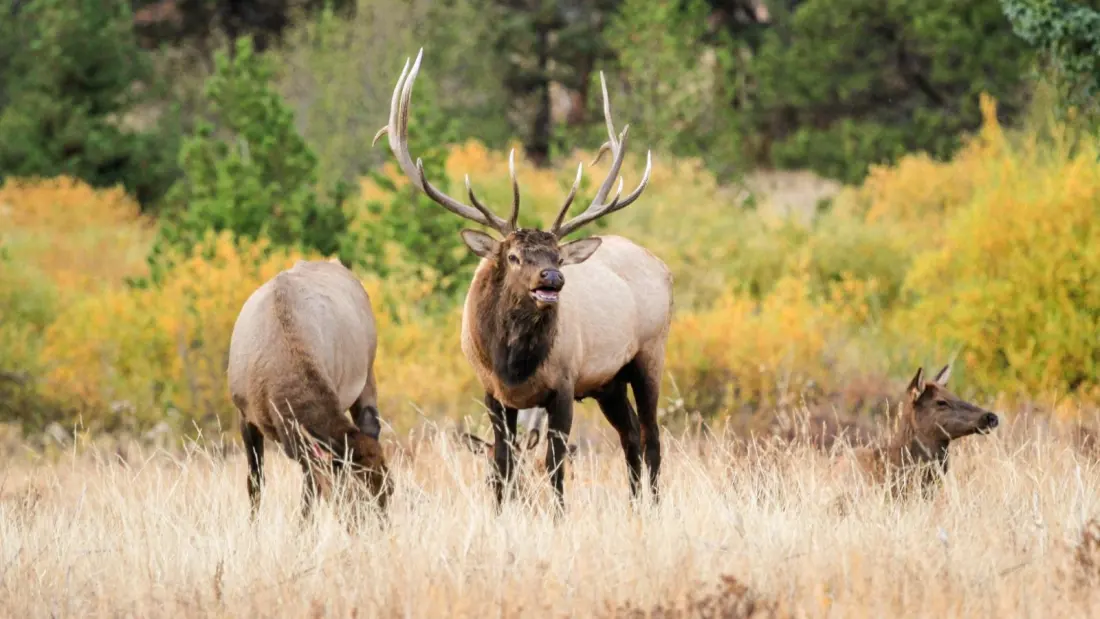
For bigger drama, head to Rocky Mountain National Park in Colorado, where the 5.8-mile Cub Lake loop cuts through Moraine Park, one of the park's best elk rutting grounds. Bulls bugle from mid-September to mid-October, most reliably at dawn and dusk. Park officials describe the sound as a rising crescendo of deep tones that climbs to a squeal before dropping into grunts. The open meadows carry it well near the trailhead and at the lake — bring a thermos and a chair, and keep your distance from the animals.
If you'd rather the ocean provide the percussion, Acadia National Park in Maine has Thunder Hole, a narrow granite inlet where incoming waves force air and water through the gap with a booming report. It works year-round, but fall hurricane-season swells make it loudest. The trick is timing: check the tide tables and arrive about an hour before high tide, and mind the steep drop-offs on the metal staircases.
Yellowstone's Upper Geyser Basin offers a three-mile boardwalk loop through the densest concentration of geysers on Earth — hissing vents, bubbling mud pots, and the building rumble before a big eruption. In autumn the crowds thin out, so you hear far more of it. Old Faithful gets the fame, but the stretches past Riverside and Grand geysers deliver richer listening.
Further north, the 2.9-mile Blind Ash Bay Trail in Minnesota's Voyageurs country hugs the shore of Lake Kabetogama, where common loons gather before migrating south. From September to early October, their wails and tremolos carry across calm water, especially in the still air of early morning and dusk — and with more birds present, the calls echo back and forth across the lake.
For birders with a competitive streak, Hawk Mountain Sanctuary in Pennsylvania runs the world's longest-running raptor census, begun in 1934. The steep, 300-foot Lookout Trail climbs to overlooks where migrating hawks, eagles and falcons call as they ride Kittatinny Ridge's updrafts — daily counts can top 3,000 birds in September. Late morning through early afternoon is prime time, and the longer 4.2-mile Appalachian Overlook Loop shares the same trailhead if you want more mileage.
Who's this for? Anyone who has ever hiked with earbuds in and wondered what they missed. These are short, accessible loops — under six miles each — and the payoff is timing, not fitness.
Via Backpacker