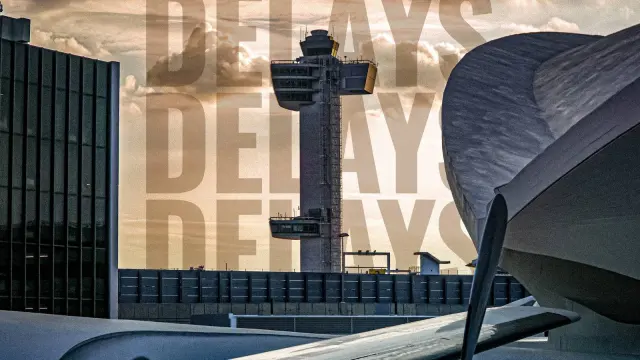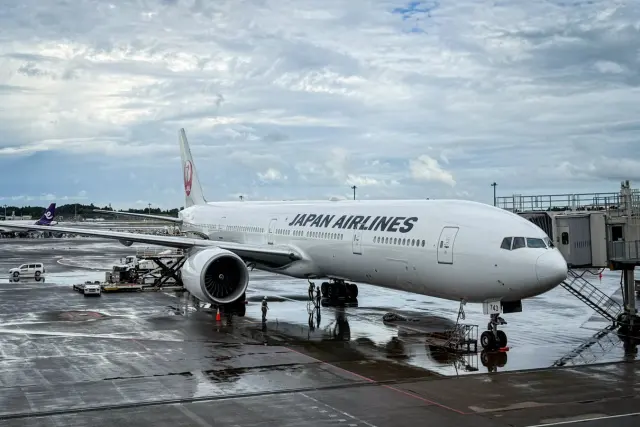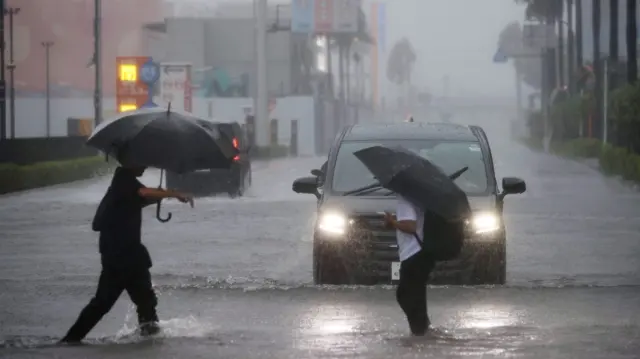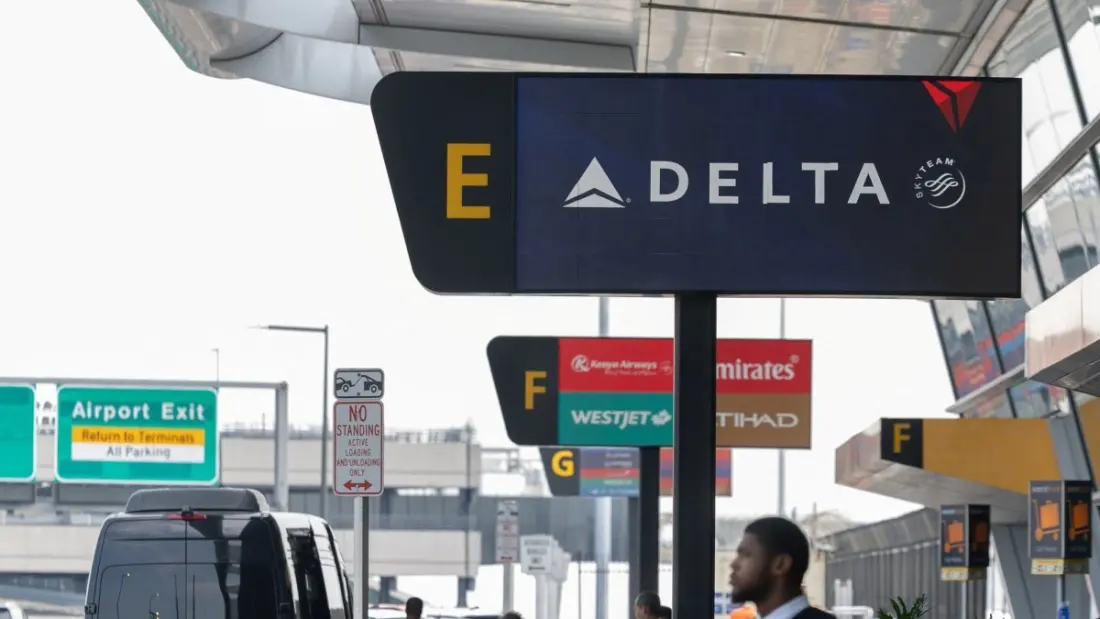
A single severed fibre optic cable knocked out air traffic control communications across the US Northeast on Monday, cancelling and delaying hundreds of flights at some of the country's busiest airports. The disruption hit just as foreign leaders were arriving for the UN General Assembly in New York.
The trouble started at the FAA's Terminal Radar Approach Control facility in Philadelphia — the same centre behind Newark Liberty's chaotic spring 2025 disruptions. This facility manages approaches, departures and aircraft spacing for a huge chunk of East Coast airspace. FAA head Bryan Bedford said two things went wrong at once: the primary data circuit feeding the facility failed in the morning, and the backup fibre line turned out to have been cut by Verizon contractors digging along the Amtrak rail line in New Jersey.
The fallout was immediate. JFK, Newark, LaGuardia and Westchester County in New York, plus Logan in Boston, Philadelphia International and Teterboro in New Jersey, all saw groundings or delays. By early evening, FlightAware counted 168 cancelled and 97 delayed flights at Newark alone, with Philadelphia at 63 cancellations and 189 delays. NBC reported thousands of passengers affected, and Bedford called the fibre repair "massive", estimating roughly 13 hours of work. President Trump's flight from Washington to New York departed as scheduled, but most travellers weren't so lucky.
Some relief came by late afternoon, when flights gradually resumed at LaGuardia and Philadelphia, while Newark and JFK arrivals remained paused. Several airlines waived change fees, and Transportation Secretary Sean Duffy confirmed services were restarting on a rolling basis.
The episode also highlighted an upgrade in progress: the same day, the FAA began testing an AI-powered system in the Washington, D.C. area designed to predict schedule conflicts and weather problems for controllers. That system wasn't connected to Monday's outage, but the failed primary circuit is slated for replacement under a broader overhaul of America's ageing air traffic infrastructure.
For anyone flying through the New York area or the Northeast in the next day or two, the practical advice is simple: check your flight status with your airline before heading to the airport, expect lingering delays even after operations normalise, and look into fee-free rebooking if your itinerary is affected. Monday's mess is a reminder that a single infrastructure failure — or one overenthusiastic construction crew — can cascade across an entire region's airspace, so building some buffer into tight connections is never a bad idea on this corridor.