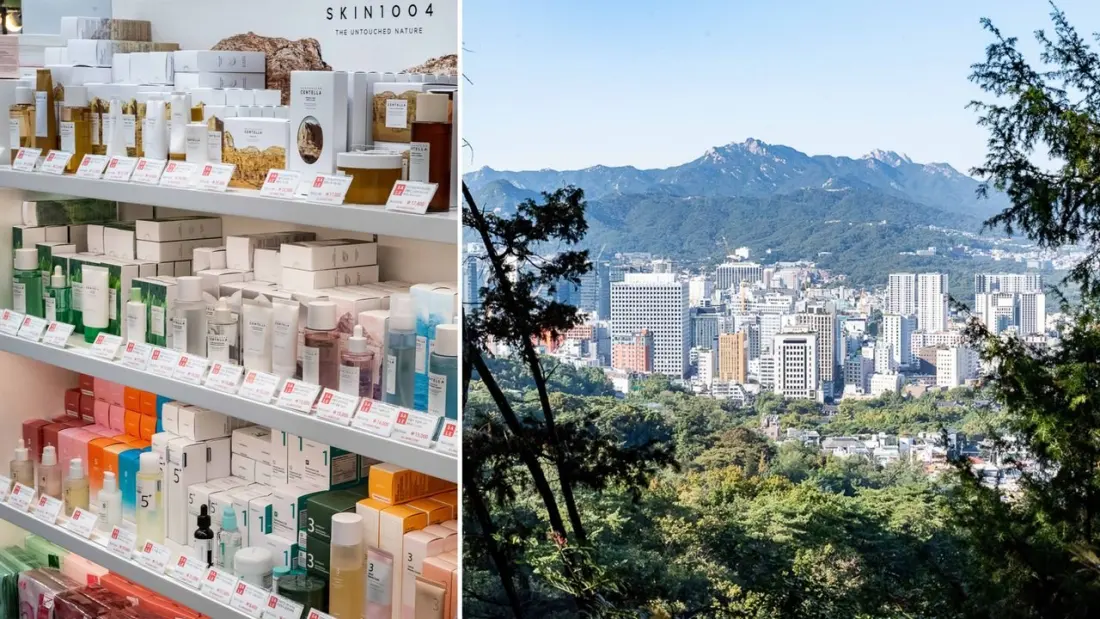
South Korea has quietly become one of the world's biggest beauty-surgery destinations. Last year alone, 1.3 million travellers visited the country for dermatology treatments and 233,000 for plastic surgery, drawn by aesthetic-medicine expertise at a fraction of US prices. A recent Condé Nast Traveler piece by a half-Korean writer who spent weeks touring Seoul's clinics distils what first-timers should know before booking a procedure.
The starting point is picking the right clinic. Experts advise deciding whether you want lasers, injectables, regenerative work or surgery, then choosing a clinic that specialises in that area rather than a factory-style operation selling suspiciously cheap one-size-fits-all packages. Look for the word 'uiwon' in a clinic's name and a red medical insignia - signs of a licensed medical facility - and confirm the physician holds board certification. A transparency check during the consultation (who performs the treatment, what are the risks, how long is recovery) is a good filter; paying an upfront consultation fee to meet the actual doctor is money well spent.
Timing matters too. Minimally invasive options like radiofrequency lifting treatments now come with minimal swelling, but anything aggressive - deeper lasers, thread lifts, skin boosters - should happen early in your trip so redness and bruising can settle before you fly. Korean clinics often stack treatments for synergy (energy devices before injectables is the rule of thumb), but never two irritating procedures on the same day, and resist the temptation to overbook. Bundled pricing can cut costs.
One thing the writer learned the hard way: arrange a proper translator. Basic English is common at clinics, but discussing pain tolerance and medical history through a phone app risks real misunderstandings. The Korea Health Industry Development Institute can connect you with certified medical tourism coordinators. Afterwards, ditch the sauna, gym and retinol, wear sunscreen religiously, and have a contingency plan in case you need medical care back home.
Recovery is where Seoul shines. The writer recommends healing foods like samgyetang (ginseng chicken soup - Tosokchon is a famous spot), seaweed soup and rice porridge from Bonjuk, plus medicinal teas at hanok cafes in Samcheong-dong or Insadong. The House of Sulwhasoo in Bukchon pairs a skincare gallery with a Jeju matcha tea house, and Four Seasons Seoul sells a one-night Sulwhasoo wellness retreat. Skip the hot jjimjilbang post-treatment and try a herbal hanbang spa or head spa instead - lymphatic massage reduces swelling without touching your face.
Finally, don't spend the whole trip in Gangnam's clinic district. The best recovery, per the experts, is slowing down: rent an apartment, wander Bukchon's traditional hanok streets, linger over mugwort lattes, and let your skin heal while you actually enjoy the city. With over six million visitors arriving in the first quarter of 2026 alone, a little extra time in Seoul is the easiest luxury to justify.
Story first reported by Condé Nast Traveler.