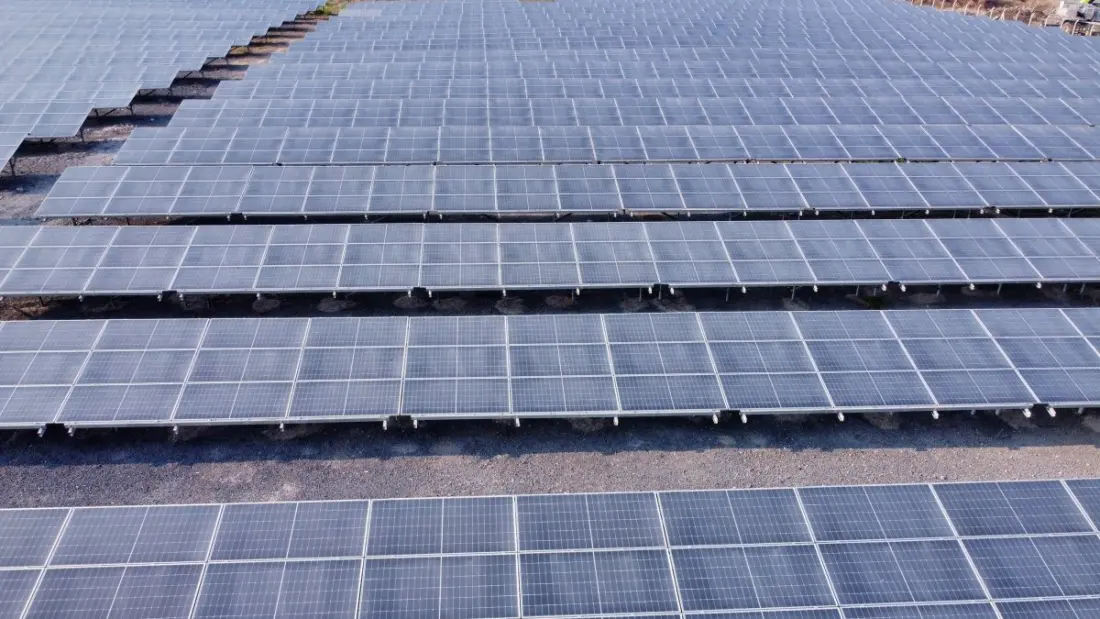
Türkiye has quietly become one of the bigger renewable energy stories in Europe. Fresh figures from the country's Energy and Natural Resources Ministry show that wind and solar farms generated 442.2 terawatt-hours of electricity between 2015 and 2025 — enough, the ministry says, to avoid $21.5 billion in imported coal and roughly 354 million metric tons of carbon dioxide emissions. Had that same power come from imported natural gas instead, the bill would have hit $43.3 billion and avoided emissions would have been around 177 million tons.
The numbers were released to mark World Zero Emissions Day on September 21, and they chart a steep climb. In 2015, solar and wind produced 11,847 gigawatt-hours, displacing about $300 million of coal imports. A decade on, the picture has changed dramatically: solar's share of electricity generation has jumped 28-fold, from 0.4% in 2016 to 11.6% as of this July, while wind has grown from 5.7% to 12.1%.
Installed capacity tells a similar story. Türkiye's total generating capacity reached 126,476 megawatts at the end of July, with solar accounting for 27,507 MW (21.7%) and wind 15,358 MW (12.1%). Together, solar and wind now make up 42,865 MW — about a third of everything the country can produce. July also brought a record: 5.37 billion kilowatt-hours of solar generation in a single month, beating the record set just the month before.
Energy Minister Alparslan Bayraktar highlighted the wider significance: Türkiye now ranks fifth in Europe and 11th globally for renewable installed capacity and investment. The country is targeting 120 gigawatts of renewable capacity by 2035 and net-zero emissions by 2053.
For travellers, this matters more than it might first appear. Türkiye is one of the world's most-visited countries, and its tourism sector — from Antalya's beach resorts to Cappadocia's cave hotels — runs on this grid. A cleaner power mix means lower-emission holidays for anyone flying in, and it reflects a broader push to cut the air pollution and fossil-fuel dependence that come with heavy tourism. It also signals where the country is heading: more wind farms along the Aegean coast and solar arrays across Anatolia, infrastructure visitors will increasingly see from train windows and coastal roads.
The practical takeaway for visitors is mostly a positive backdrop rather than an itinerary change, though the shift fits neatly with the growing demand for lower-carbon trips. If you're heading to Türkiye, you can pair a conventional beach or city break with greener sightseeing — cycling routes along the Turquoise Coast, hiking the Lycian Way, or visiting the wind-swept hills of the Aegean interior where much of this new capacity stands.
Figures come via Daily Sabah.