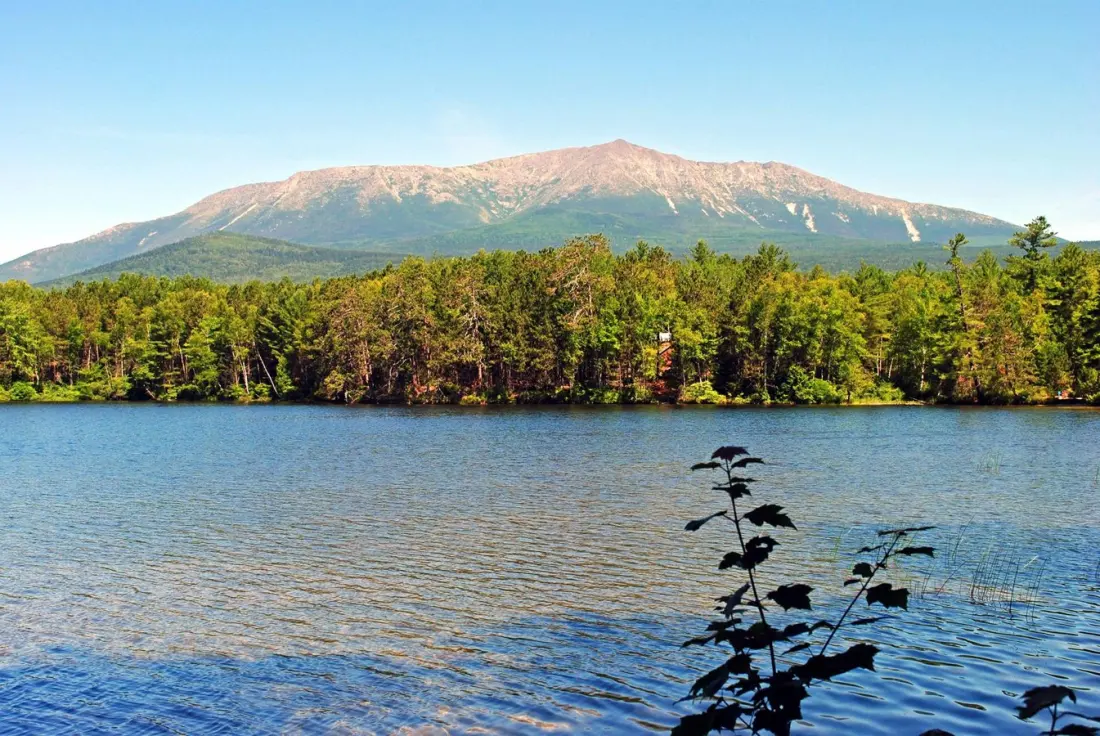
A 64-year-old thru-hiker, tentatively identified as Bert Peter Goris of Colton, California, died on Maine's Mount Katahdin on September 14 after severe weather swept the mountain while he was descending from its summit.
Goris, who had registered with Baxter State Park as an Appalachian Trail thru-hiker, spent the night of September 13 at the Birches campsite and signed the Hunt Trail register around 7:40 a.m. as a solo hiker. His entry showed plans to climb via the Hunt Trail and descend by the Abol Trail. Witnesses told officials he did reach the top — the northern terminus of the 2,190-mile Appalachian Trail — and asked a passing hiker for directions to the Abol route on his way down. That hiker noted Goris was wearing wet shorts and a long-sleeved shirt, and suggested he add layers before hiking on.
At 1:15 p.m., the Houlton Regional Communication Center took the first 911 call: an incapacitated hiker on the Hunt Trail with a leg injury, struggling to speak and move. Other hikers had wrapped him in a sleeping bag, emergency blanket, tarp and tent. Conditions were brutal — rain bursts, wind gusts above 35 mph, and a wind chill near 20°F — and both reporting hikers eventually had to descend to avoid hypothermia themselves.
A rescue effort swung into action quickly. Teams mustered at Abol and Chimney Pond campgrounds, and the Maine Army National Guard flew a Blackhawk helicopter onto Katahdin's Tableland, an exposed alpine plateau with no tree cover. Park rangers hiked up, reached Goris on the Hunt Trail and helped him to the aircraft. He was flown to Millinocket Airport, where he was pronounced dead. The Office of the Chief Medical Examiner has not yet officially confirmed his identity or cause of death.
The case is a stark reminder that Katahdin is a real alpine mountain, not a park stroll. In September and October, sudden icing, freezing rain and sub-freezing wind chill can develop with little warning, and hypothermia can set in fast — even for experienced long-distance hikers near the end of a months-long trek. Baxter State Park urges anyone heading for the summit to carry winter-grade clothing, emergency shelter, food and water, and to keep them accessible rather than buried in a pack.
For anyone planning a Katahdin hike — whether finishing a thru-hike or tackling it as a day trip — the takeaway is simple: check the forecast the morning of your climb, pack for conditions colder than expected, and be willing to turn around. Layers and an emergency shelter weigh little; they can be the difference between a summit photo and a rescue.
Story via The Trek.