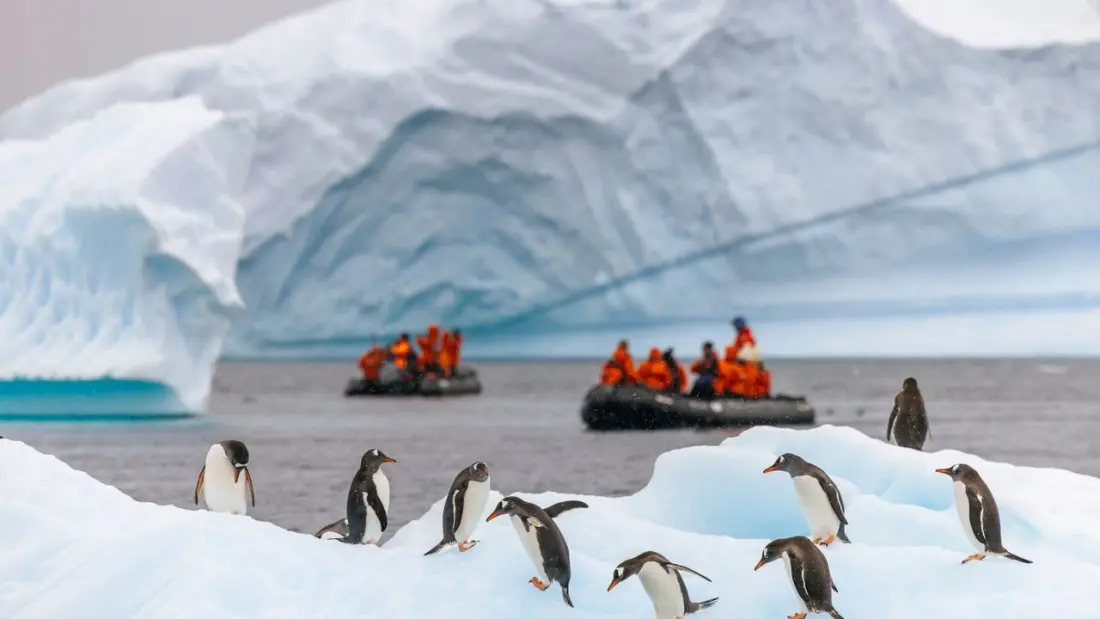
Antarctica isn't just cold, it's in a league of its own. Figures compiled by the World Meteorological Organisation, NASA, Berkeley Earth and NOAA put the continent's 2025 average at -56.7°C, which makes even the hardest-hit corners of Siberia and northern Canada look temperate. It also holds the record for the lowest temperature ever directly measured on the planet: -89.2°C, logged at Russia's Vostok Station on 21 July 1983.
That said, the continent is far from uniformly frozen. The British Antarctic Survey notes that coastal areas hover near freezing during summer (December to February), with winter monthly averages of roughly -10°C to -30°C. Head inland to the high plateau, though, and winter averages can plunge below -60°C.
Why is it colder than the Arctic? Geography does most of the work. The Arctic is essentially an ocean ringed by land; Antarctica is a landmass buried under an enormous ice sheet and surrounded by the Southern Ocean. Its high elevation makes things colder still, and NASA points to the strong winds circling the continent, which keep warmer air from lower latitudes from mixing in. Net result: the South Pole wins the cold contest by a wide margin.
Here's the surprising part — you can go. Organised tourism has been running since the second half of the 20th century, and it's growing. IAATO counted 85,195 people who landed in Antarctica in the 2025/26 season, plus another 27,217 on cruise-only itineraries that don't set foot ashore.
The classic route is an expedition cruise departing from southern South America, most famously from Ushuaia in Argentina, then crossing the Drake Passage to the Antarctic Peninsula. Travel happens in the Antarctic summer, roughly November to March, when conditions are at their most forgiving and daylight stretches nearly around the clock.
There's a catch, and it matters: Antarctica is designated a natural reserve devoted to peace and science. Visitors must follow strict biosecurity and conduct rules designed to protect an environment that's about as fragile as it gets — think disinfecting boots before landings, keeping set distances from wildlife, and leaving nothing behind.
For travellers after a genuine once-in-a-lifetime trip, few destinations compare. Expect a long voyage, a serious price tag, and landscapes and wildlife — penguins, seals, whales, colossal ice — that you simply can't see anywhere else on Earth. Just pack for temperatures that, even at their kindest, sit close to zero.