A US Senator has taken to the Senate floor to warn Americans about a threat to commercial aviation he considers genuinely terrifying: the possibility that your pilot might, off-duty, enjoy dressing up as an animal.
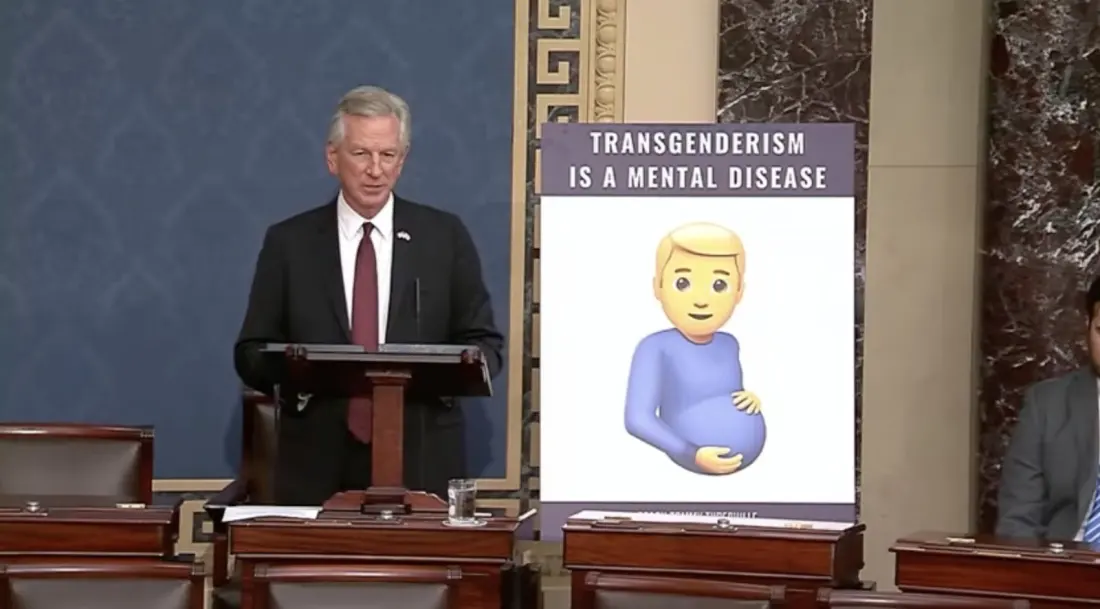
Alabama Senator Tommy Tuberville used a floor speech — ostensibly about transgender Americans, mental health and political violence — to pivot to the 'furry' community, a subculture of people interested in anthropomorphic animal characters. Some furries create a personal animal identity called a 'fursona', draw art, attend conventions, or wear elaborate costumes known as fursuits.
Tuberville told the chamber it was 'terrifying' that pilots, flight attendants and even air traffic controllers might belong to this community, suggesting a captain could have a 'deranged fetish of dressing up like an animal.' The apparent basis for the claim: an event called Furry Migration, a convention that has advertised an 'Aviation Furs Meet-Up' for pilots, cabin crew, mechanics, controllers and aviation enthusiasts.
As the blog Live and Let's Fly points out, that is a very thin thread to hang a safety warning on. No evidence was offered that anyone's participation in furry culture has ever contributed to an accident or compromised a flight. No pilot has turned up to the departure gate in a wolf costume instead of a uniform. Aviation professionals, meanwhile, face some of the strictest oversight of any profession: recurrent proficiency checks, medical exams, and drug and alcohol testing. What they do at a convention on their day off is simply not a safety variable.
The more useful takeaway for travellers is what Congress isn't discussing. The US aviation system faces genuine, well-documented problems: an air traffic control network running on ageing equipment, as underlined by the recent Northeast communications meltdown; a shortage of controllers; inadequate airport infrastructure; and open questions around consumer protections for delays, fare transparency, pilot fatigue and mental-health reporting. Those are the issues that actually shape whether your flight leaves on time and arrives safely.
For anyone who flies in or within the United States, the story is a reminder of how easily attention gets diverted from substantive aviation policy. Your pilot's hobby is irrelevant. Their training, rest and judgment are not — and those are already heavily regulated. If the flight is safe and smooth, what the captain wears at a weekend convention deserves exactly zero concern.