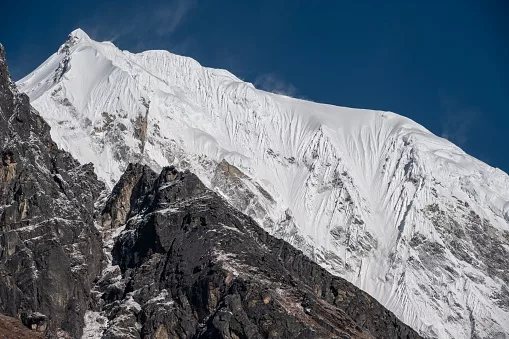
An avalanche tore through the base camp of Himlung Himal, a 7,126-metre peak in Nepal, on Sunday morning, killing two mountain guides and leaving other expedition staff unaccounted for.
The camp was being prepared ahead of climbing expeditions when the slide hit. The Nepal National Mountain Guide Association initially reported 14 kitchen staff and two climbing guides missing; the two guides were later found dead. Local police believe at least 22 people were in the area when the avalanche struck, though conflicting reports and broken communications in the remote location have made it hard to confirm exact numbers. Search and rescue operations continue, and one trekking operator suggested that pockets of air in fresh snow could offer some hope of finding survivors.
The disaster follows days of severe weather across Nepal, with heavy rain over much of the country and snow falling in the higher northern regions. Roads and trekking routes have been disrupted, and authorities have suspended climbing and trekking activities on several mountains.
The timing is grim. Nepal is still recovering from August floods that killed more than 1,400 people and left thousands missing. Mountaineering and trekking are cornerstones of the country's tourism economy — Nepal is home to eight of the world's fourteen 8,000-metre peaks — and the industry supports thousands of guides, porters and support workers who are often the first exposed when conditions turn dangerous.
For travellers, this is a reminder that Himalayan conditions can shift fast and that expedition staff bear much of the risk. Anyone planning autumn trekking in Nepal should check route conditions, keep an eye on weather warnings, and book through operators who take guide welfare and weather calls seriously.