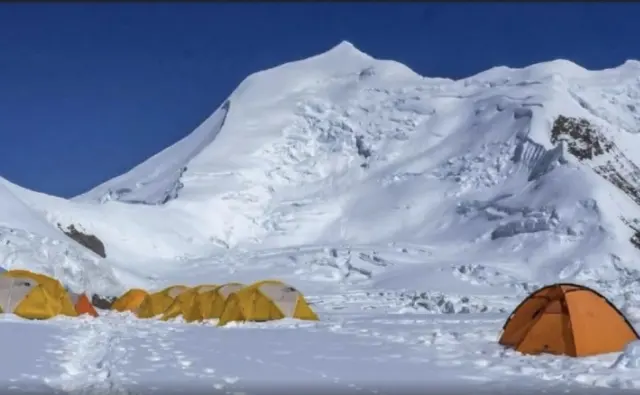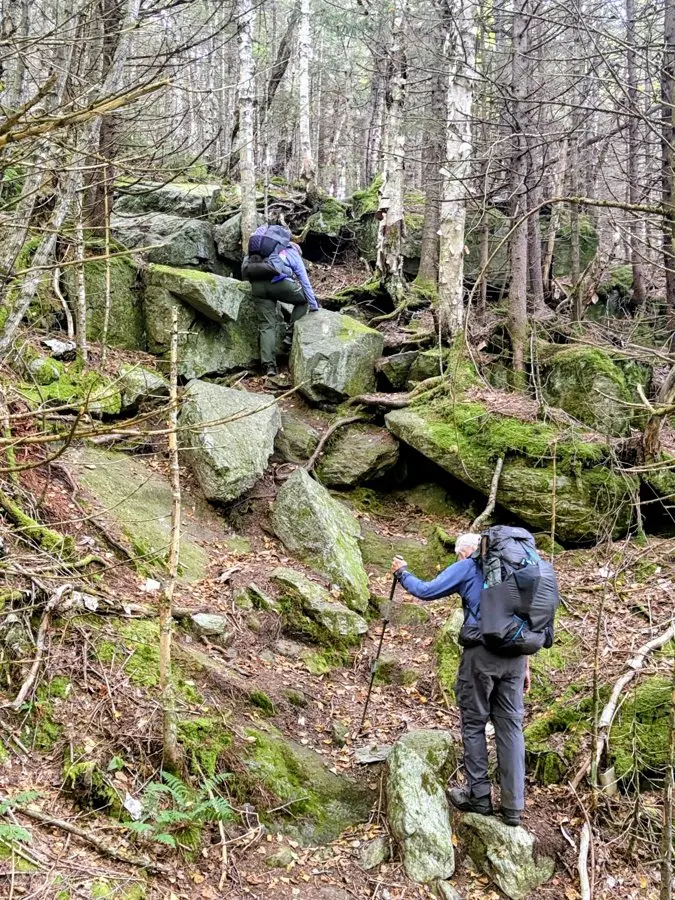
On day 28 of a Long Trail thru-hike in Vermont, three experienced hikers woke before dawn with a plan. Camel's Hump, one of the state's toughest and most dangerous peaks in wet weather, loomed ahead, and rain was coming. The goal was simple: reach Montclair Glen Lodge before the showers, then climb the mountain in dry conditions the next day.
It didn't go that way. About an hour into the day, one member of the group — trail name The Historian — slipped on a wet rock and fell heavily, his arm and trekking pole pinned beneath him. His companions, both with rescue backgrounds (former professional ski patrol and a certified rescue diver), stabilized him, taped and splinted the wrist with first aid supplies and NSAIDs, and reassessed at the final bailout junction before the summit. His walking had deteriorated and the pain wasn't fading. Decision made: the hike was over for two of them, and the third, Rock Rabbit, would continue alone.
What followed was a small masterclass in trail rescue — and trail kindness. The pair split their gear so Rock Rabbit had a stove, pot, food and the Garmin SOS device, and even divided the bear rope. Then the Vermont trail community kicked in. A passing thru-hiker connected them by phone to a local woman named Janice, who not only guided them down a rocky bailout route with ladders but drove them herself — dog Suki riding along to steady the injured arm — on an hour-long trip to Central Vermont Medical Center in Berlin. A hospital security guard solved the pack-storage crisis with a wheelchair and a luggage tag, and an X-ray delivered good news: a severe sprain, not a break, with a two-week recovery recommendation.
The most striking part of the story is the narrator's reaction to abandoning the thru-hike. Instead of devastation, there was unexpected peace — a sudden clarity that getting a friend out safely mattered more than the summit or the 273-mile trail. Rock Rabbit, meanwhile, pushed on to the lodge ahead of the rain, and after a loud, overcrowded shelter, the caretaker opened him a private tent site.
For anyone dreaming of a Long Trail hike, this dispatch is a useful reality check. The terrain here is genuinely technical — rock, root and ladder sections that turn treacherous in rain — so build bailout points into your plan, carry a real first aid kit plus a satellite communicator, and know that Vermont's trail angels and caretakers are the real deal. The mountains will still be there in two weeks.