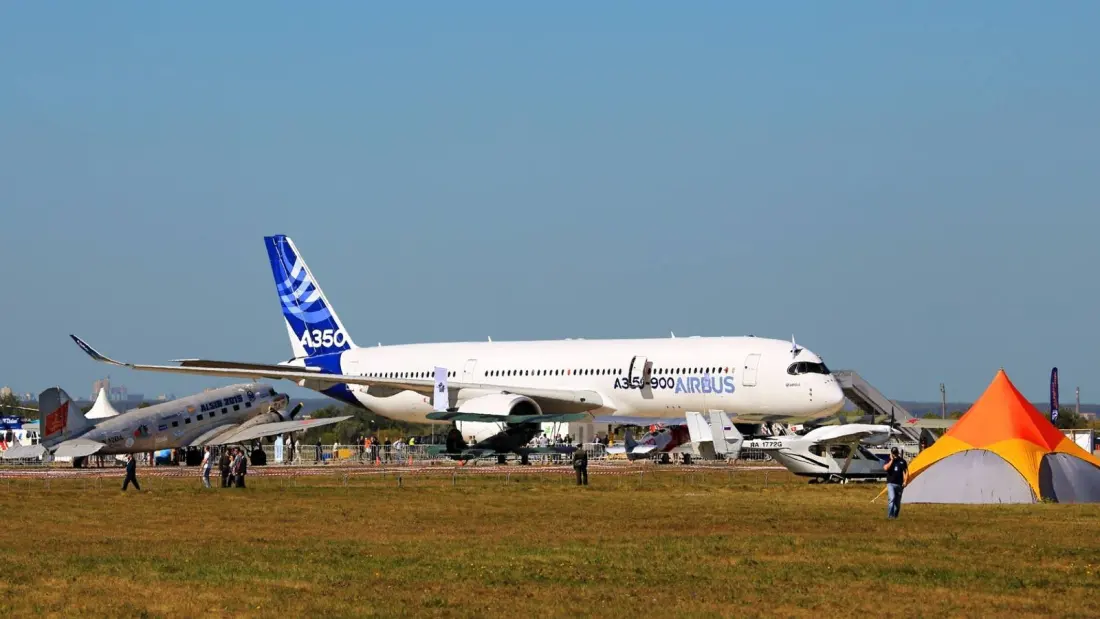
Bangladesh's flag carrier looks set to place its first real Airbus order in years, and it is a sizable one. According to a report in The Daily Observer, Biman Bangladesh Airlines will announce the purchase of ten Airbus jets on Wednesday, October 7, 2026: four widebody A350-900s and six narrowbody A321neos. Aviation minister M Rashiduzzaman Millat has already confirmed publicly that an agreement to buy ten Airbus aircraft is expected to be signed in October.
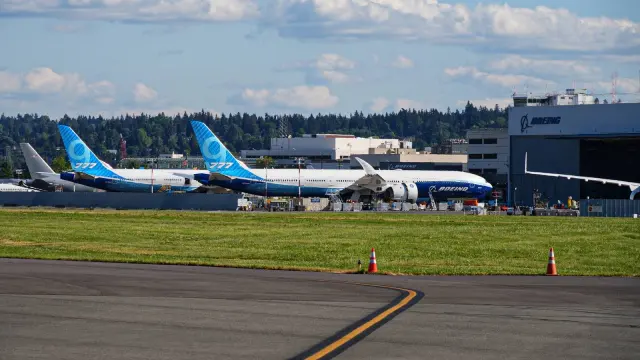
For anyone who has flown Biman recently, this is a notable change of direction. The airline currently operates 20 aircraft, and 14 of them are Boeings — four 737-800s, four 777-300ERs and six 787 Dreamliners — with the remainder made up of a single ATR 72 and five Dash 8 turboprops. Not only that, but Biman has spent 2026 piling up new Boeing commitments: 14 jets ordered in April (eight 787-10s, four 737 MAX 8s and two 787-9s), followed by another 11 in September (five 787-10s and six 737 MAX 8s) in a deal signed at the UN General Assembly.
The A350 part of the Airbus deal has actually been in the works for a while. Biman's board approved up to ten of the type back in 2023, during a state visit to Bangladesh by French President Emmanuel Macron, but the firm order never materialised — until now, seemingly. Don't expect to spot one at Dhaka airport anytime soon, though. First deliveries are pencilled in for 2033, running through 2036 or 2037. The A350-900s are earmarked for long-haul expansion, while the A321neos will bulk up the short and medium-haul network.
There is a flicker of Airbus history here. Biman flew six A310-300s between 1996 and 2016, and briefly leased a pair of A330-200s from Spanish carrier Wamos Air in 2017–18. But the incoming A350s will be an entirely new experience for the airline and its passengers — a modern long-haul jet that Boeing itself touts as 20–25% more fuel-efficient than previous generations in its own 787 marketing.
Why should travellers care? Biman connects Dhaka with London, major Gulf cities and destinations across Asia, and a bigger, more modern fleet usually means more routes, better cabin products and fewer capacity crunches on popular corridors. The 787-10 additions alone will raise capacity on existing Dreamliner routes before the Airbuses even arrive. And with both Boeing and Airbus now on the order books, the next decade looks like a growth story for a carrier long constrained by a small fleet. Anyone planning a Bangladesh trip further down the line — think October-to-March dry season — may well find more direct options than today.