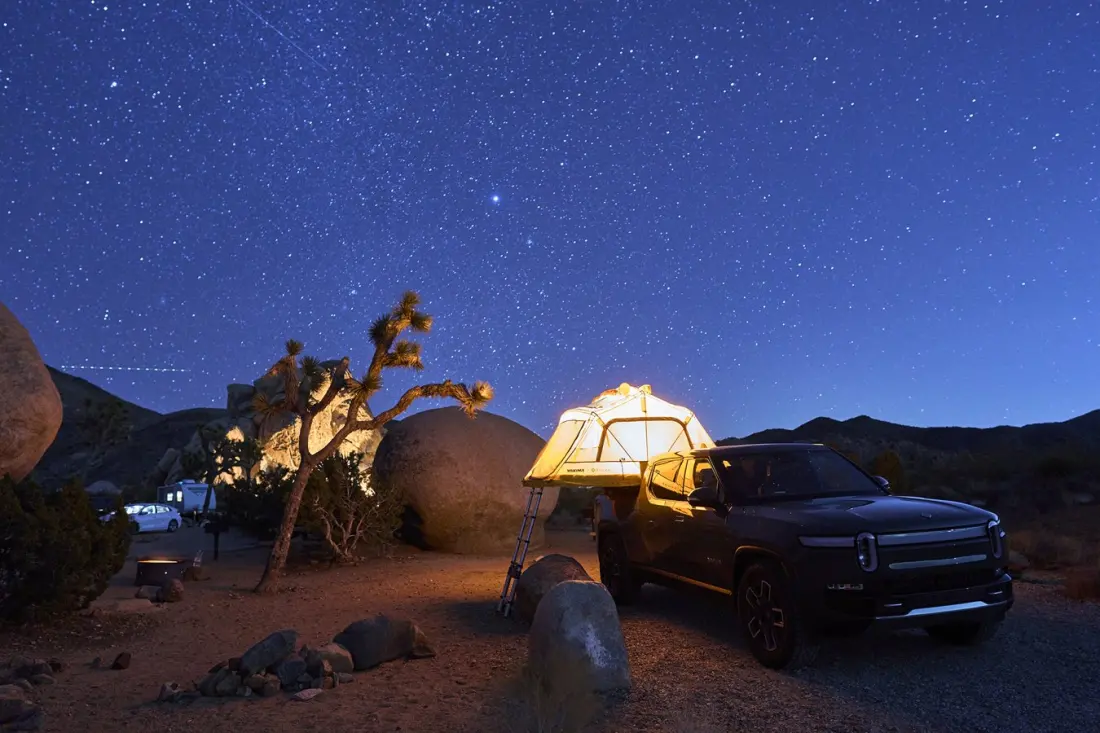
Shooting the Milky Way looks effortless on Instagram and frustrating in person. Thomas J. Story, Sunset magazine's staff photographer with 25 years of outdoor shooting behind him, has a blunt message: good night photos are mostly about planning, not luck. His advice works whether you're camped under desert stars or chasing auroras, and it breaks down into gear, timing and a few field habits.
Start with the kit. A tripod is non-negotiable, and you'll want a fast lens — at least f/2.8 — shooting around ISO 3200. Keep exposures under roughly 20 to 30 seconds; go longer and the Earth's rotation turns your pin-sharp stars into smeared trails (pretty if intentional, annoying if not). Anyone who gets serious about astrophotography might consider a star tracker, a moderately priced accessory that follows the sky for you.
No fancy camera? Your phone can still deliver. Night mode on recent iPhones is genuinely capable, and older models get a second life with slow-shutter apps. Story recommends AstroShader, which stacks multiple exposures to pull out detail, and Slow Shutter Cam, which also handles long exposures in daylight.
The picture itself needs a subject beyond the sky. A lone tree branch, a friend in sand dunes wearing a headlamp — something in the foreground gives the stars scale and context, turning a generic skyscape into a scene.
Then comes the homework. Scout your spot on Google Earth before you go, and pick somewhere as far as possible from light pollution — cities, buildings, even big campgrounds ruin the view. The Night Sky app maps constellations from anywhere on Earth, so you can figure out what will be overhead before you leave the house.
Timing matters as much as location. A full moon may be lovely, but its glow washes out the stars, so aim your trip as close to the new moon as the calendar allows. On the night itself, use a headlamp with a red-light mode: red doesn't wreck your night vision or dilate your eyes the way white light does, and it's politer to anyone else stargazing nearby.
Last, the unglamorous one: dress for the cold. Temperatures, especially in the desert, drop fast after dark, and fiddling with a camera in gloves is misery — pocket warmers in your jacket solve that. Staying comfortable is what lets you stay out long enough to get the shot.
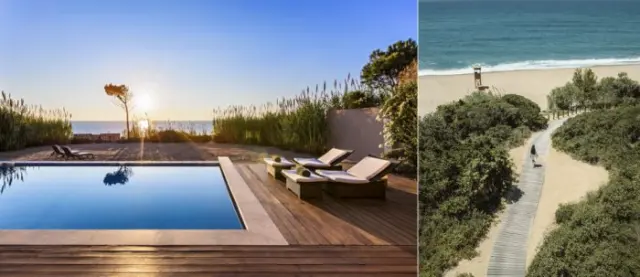
For travellers, this is a handy checklist for any trip built around dark skies — think national parks, dark-sky reserves or a remote beach far from town. Pack the tripod, check the moon phase before booking your dates, download your apps at home where the signal is decent, and you'll come back with photos worth more than a phone snapshot.
Sunset