Croatia has quietly become one of Europe's greenest electricity producers. New Eurostat figures for the second quarter of 2026 put the country third in the entire EU for the share of renewables in its power generation, with a striking 92.2 percent of electricity coming from renewable sources. Only Latvia (97.7 percent) and Denmark (94.3 percent) scored higher.
The Croatian figure rests largely on hydropower, unlike the countries above it: Latvia leans on hydro and solar, while Denmark is powered mostly by wind. Austria, Estonia, Portugal and Lithuania round out the top of the table, a mix of countries with big hydro potential and those that have invested heavily in wind farms and solar.
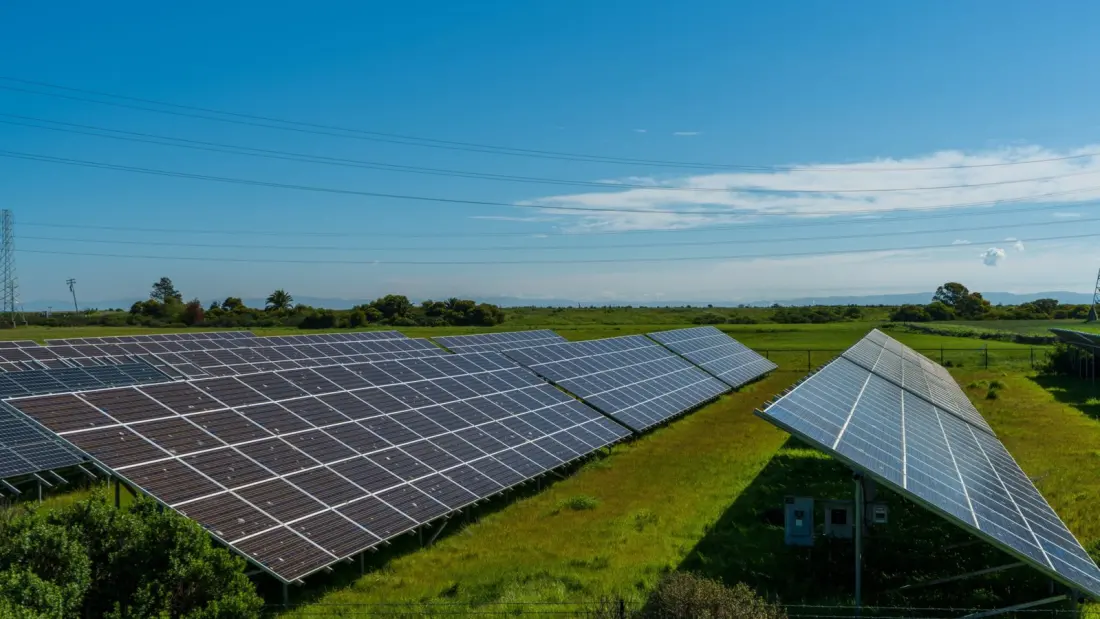
Across the EU as a whole, renewables produced more than half of all electricity in the quarter, hitting 54.1 percent of net production - a touch below the 54.3 percent recorded in the same period of 2025. Solar was the continent's single biggest renewable source, accounting for 41.6 percent of renewable output, followed by wind at 27.7 percent and hydro at 22.6 percent.
The gap between member states remains wide. Slovakia (19.8 percent), Czechia (20.9 percent) and Malta (24.5 percent) sit at the bottom of the ranking, while even Germany, often seen as a green energy leader, came in at 63.8 percent. Eurostat also cautions that the measure refers to the share of renewables in net electricity production, which is calculated differently from the share of renewable energy in gross final energy consumption.
So why should holidaymakers care? If you're heading to the Dalmatian coast or inland Plitvice country this year, the lights, air conditioning and beach bars are increasingly running on water, sun and wind. Croatia's heavy reliance on hydro ties its grid closely to its rivers and mountains - the same scenery travellers come for - and the country's strong showing makes it an easy pick for anyone trying to keep a trip's carbon footprint down. Pairing a Croatian holiday with low-impact choices, like island-hopping by ferry or trains along the Adriatic, fits neatly with the direction the national grid is already heading.