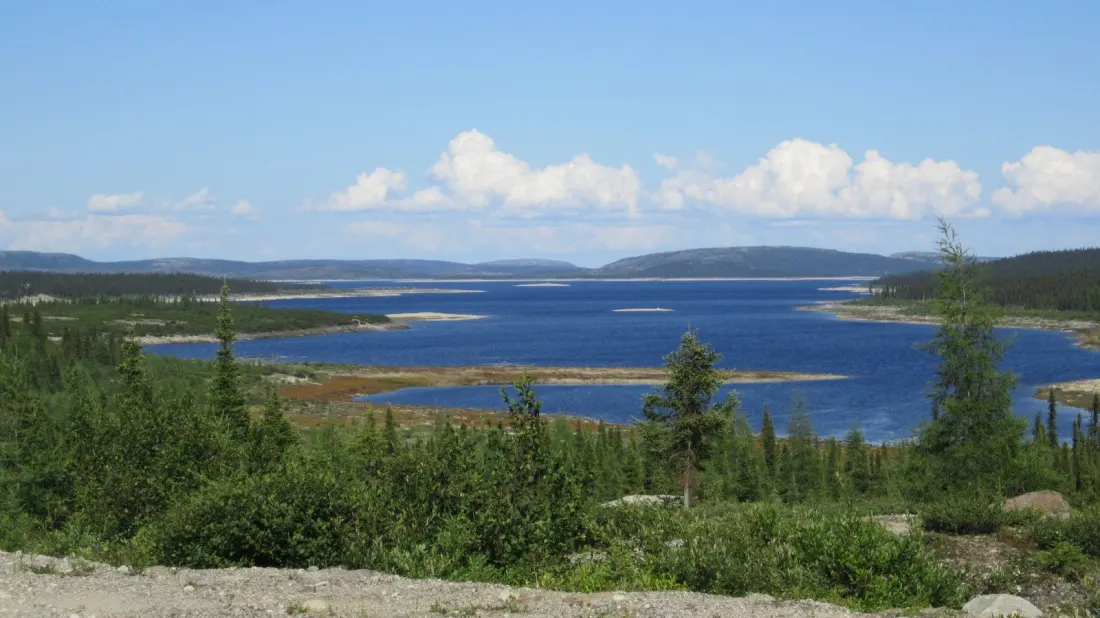
If you want to fish water that no weekend crowd has touched, head north — way north. The Caniapiscau Reservoir sprawls across almost 1,700 square miles of boreal wilderness in northern Québec, making it the largest body of water in the province and one of the biggest lakes of any kind in Canada. To put that in perspective, you could fit the island of Montréal into it roughly a dozen times.
Here's the twist: Caniapiscau is artificial. Built as part of the James Bay hydroelectric project, it was formed by two dams and dozens of dikes that flooded the rocky landscape. Higher ground stayed above the waterline, leaving behind an archipelago of roughly 300 islands scattered across the reservoir — a maze of bays, forested shorelines, and black spruce stands that seems built for exploring by boat.
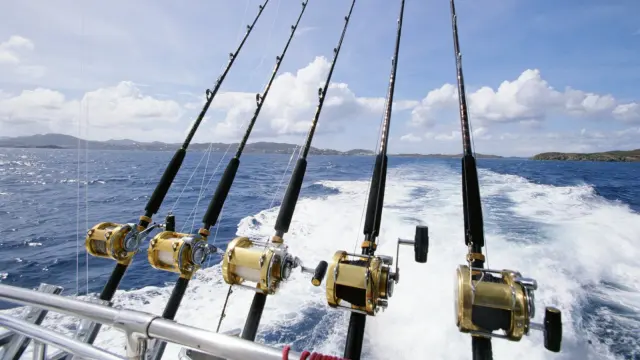
The fishing is the draw. The reservoir holds lake trout, northern pike, speckled trout, and landlocked salmon, and it has a reputation for serious size: outfitter Pourvoirie Ternay reports lake trout in the 15-to-25-pound range and pike pushing 20 pounds. Because so much of the territory is only reachable by boat, floatplane, or helicopter, you can cast all day without seeing another rod.
Getting there is the commitment. Caniapiscau sits at the end of the Trans-Taiga Road, often described as the most remote road in North America. From Radisson, the nearest town, it's about eight hours of rugged driving — and some fishing camps still require a seaplane or helicopter transfer. This is a wilderness expedition, not a spur-of-the-moment road trip.
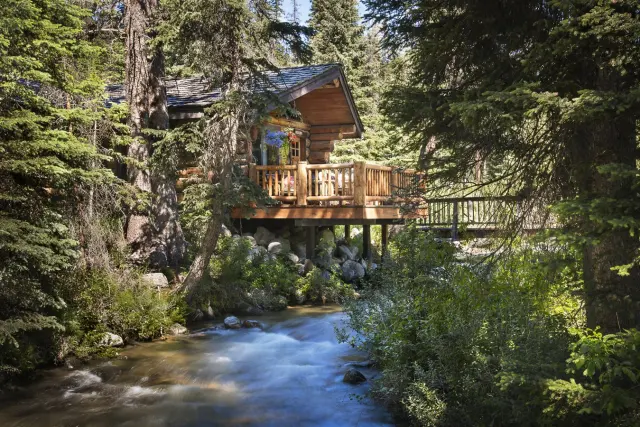
There's also a rule worth knowing before you dream up a do-it-yourself plan: Québec requires non-residents fishing north of the 52nd parallel, which includes Caniapiscau, to book through an outfitting service. The upside is that logistics are handled for you. Les Aventures Jack Hume runs base camps five minutes from the reservoir at the end of the Trans-Taiga Road, with three cabins, meals, and floatplane fly-outs to even remoter water. Club Chambeaux operates eight cabins on the reservoir itself, with charter seaplanes and helicopters on offer.
If eight hours of gravel doesn't appeal, Québec has softer options. Lac-Simon, closer to Montréal, offers swimming and hiking alongside the water, while the Mastigouche Wildlife Reserve is a solid pick for anglers who want good fishing without the expedition logistics.
But for travellers who measure a trip by how far the horizon stays empty, Caniapiscau is hard to beat: enormous water, trophy fish, and a genuine sense of being the last person on the lake. Plan for a week, book an outfitter early, and pack for weather that can turn fast this far north.