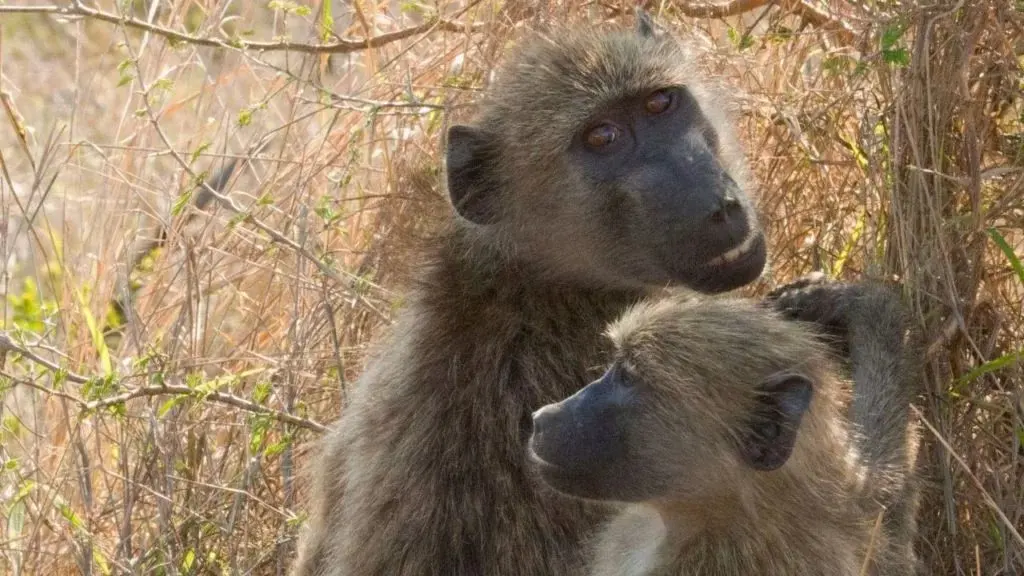
Two chacma baboon troops on the Cape Peninsula could soon face permanent captivity, and a coalition of 30 South African organisations is pushing back. The Waterfall and Seaforth troops are slated for relocation to the proposed Kogelfontein Urban Wildlife Centre, where they would live out their lives in enclosed conditions. The Wildlife Animal Protection Forum of South Africa (WAPFSA) has written to the City of Cape Town, CapeNature, SANParks and the Cape Peninsula Baboon Management Joint Task Team with a different idea: keep the baboons wild.
The alternative proposal rests on a few practical pillars. First, a purpose-built, strategically sited baboon-proof fence, developed with input from Dr Dave Gaynor, a baboon researcher who has studied the Peninsula's troops for years. Second, proper waste management — the single biggest driver of baboons raiding suburbs is easy access to bins and food scraps. Third, ongoing monitoring, and fourth, the knowledge held by local communities who live alongside the animals and understand their movements better than anyone.
WAPFSA, a national network founded in 2017 that spans animal protection, conservation, environmental justice, law and community advocacy groups (Rhinos in Africa is a member), argues this combination could support genuine coexistence rather than a one-way move to confinement. The letter asks the authorities to consider the proposal while decisions about the troops' future are still open.
Why should a traveller care? The Peninsula's baboons are part of what makes a trip to Cape Town's edges special. Visitors driving Chapman's Peak, hiking around Cape Point or walking near Simon's Town regularly encounter them — the Seaforth troop lives near the penguin beach at Seaforth and Boulders, one of the area's most popular stops. If two troops disappear behind fences, the wild encounters that make this corner of South Africa distinctive shrink, and the debate sets a precedent for how the city handles wildlife conflict as suburbs keep pressing into habitat.
It's also a story about the tension every popular nature destination faces: some residents are exhausted by baboons raiding homes, while conservationists argue that captivity punishes animals for human land-use choices and poor bin management. The outcome will shape what visitors see — and how local communities live — on the Peninsula for years.
Authorities have not yet announced a final decision, and WAPFSA is explicitly framing its letter as a constructive option rather than pure opposition. Anyone planning a Cape Town trip with wildlife on the itinerary should keep an eye on this one, and if you do encounter baboons while there: keep distance, never feed them, stash food out of sight and keep car windows up. Coexistence, as WAPFSA points out, works in both directions.