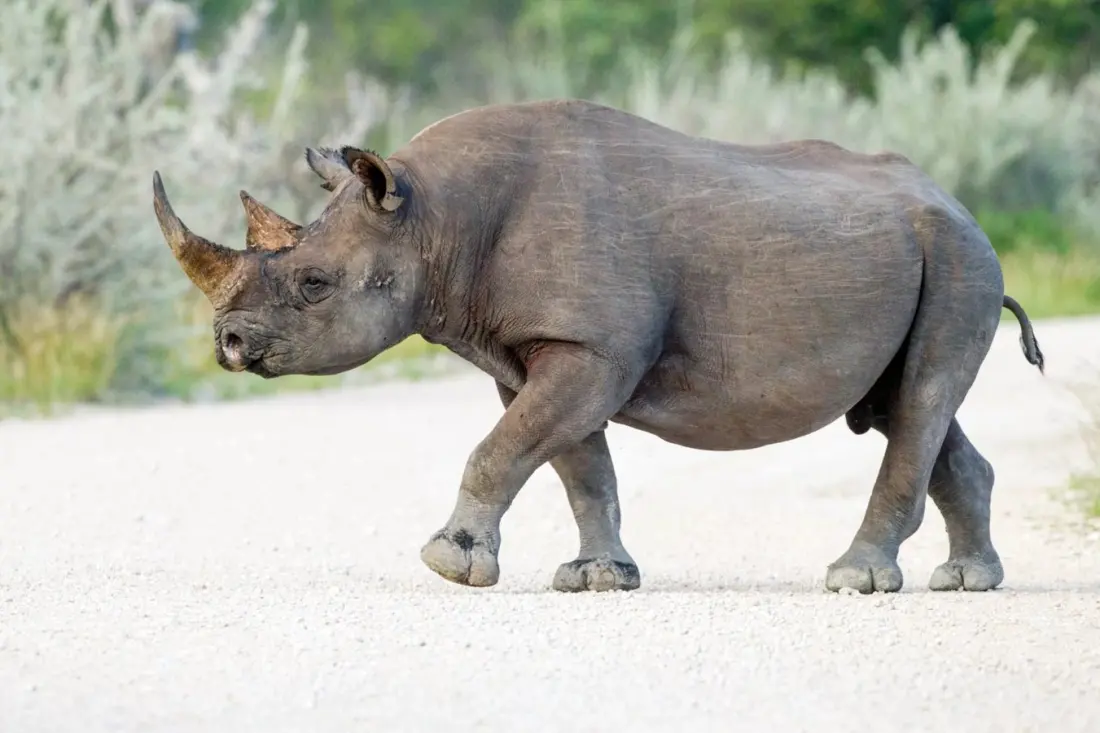
A black rhino attacked a tourist vehicle in Namibia's Etosha National Park on Saturday, 19 September, leaving the car damaged but everyone inside unscathed. Namibia's Ministry of Environment, Forestry and Tourism confirmed no injuries, with the incident reported by The Namibian the following day.
The ministry's response focused on prevention rather than alarm. Spokesperson Vilho Hangula urged visitors to travel with registered, experienced tour operators, especially around wildlife in protected areas. His message was blunt: wild animals run on instinct, and their behaviour can swing from calm to dangerous without warning. Local operator Etosha Salt Pan Adventure echoed that, encouraging travellers to book guided tours and brush up on animal behaviour before exploring the park.
It's a fair warning in a park that holds serious wildlife weight. Etosha is home to both black and white rhinos, alongside elephants, lions and other animals more than capable of damaging a car — or worse. Even the classic self-drive safari setup, where you watch everything from behind a closed window, carries risk. A two-tonne rhino doesn't care whether you're inside a vehicle or not, and the 19 September incident proved exactly that point.
The practical takeaway for anyone planning a trip: keep your distance, follow park regulations, and never approach or provoke animals for a better photo. If you're new to self-drive safaris or unfamiliar with reading animal behaviour — a rhino pawing the ground or shaking its head is not a good sign — a guided tour is the safer bet. Guides know which waterholes hold rhinos, how to position a vehicle, and when to simply move on.
None of this should scare travellers off. Etosha remains one of Africa's most rewarding and accessible safari parks, and incidents like this are rare. But the story is a useful reset on expectations: a safari is a wild place, not a drive-through zoo, and the animals always have right of way.