A cruise that departed Ushuaia, at the southern tip of Argentina, has turned into an international health investigation after three passengers died and at least two of the deaths were confirmed as hantavirus. The ship, the MV Hondius, had sailed into Tierra del Fuego province on April 1, and health authorities worldwide are now monitoring repatriated passengers.
What makes this outbreak notable is the strain involved. Hantavirus exists in many countries, including the United States, and normally spreads when people inhale airborne particles from rodent urine, droppings or saliva. But the Andes variant, endemic to southern Argentina and Chile, is the only hantavirus strain with documented human-to-human transmission — which is why a cruise ship full of passengers is such a headache for epidemiologists. Infectious disease specialist Hugo Pizzi of Universidad de Córdoba told Argentina Reports that an infected person can pass the virus on during the early stage of symptoms, making shipboard contact tracing genuinely difficult.
Argentina has been here before. After a 2018 outbreak in Epuyén, in Chubut province, local researchers documented chains of human transmission involving the Andes strain following more than 30 infections. This time, early reports suggested exposure near a rubbish dump in Ushuaia, but the Health Ministry's records contradict that: the strain identified has only previously circulated in Chubut, Río Negro and Neuquén provinces and in southern Chile — not Tierra del Fuego.
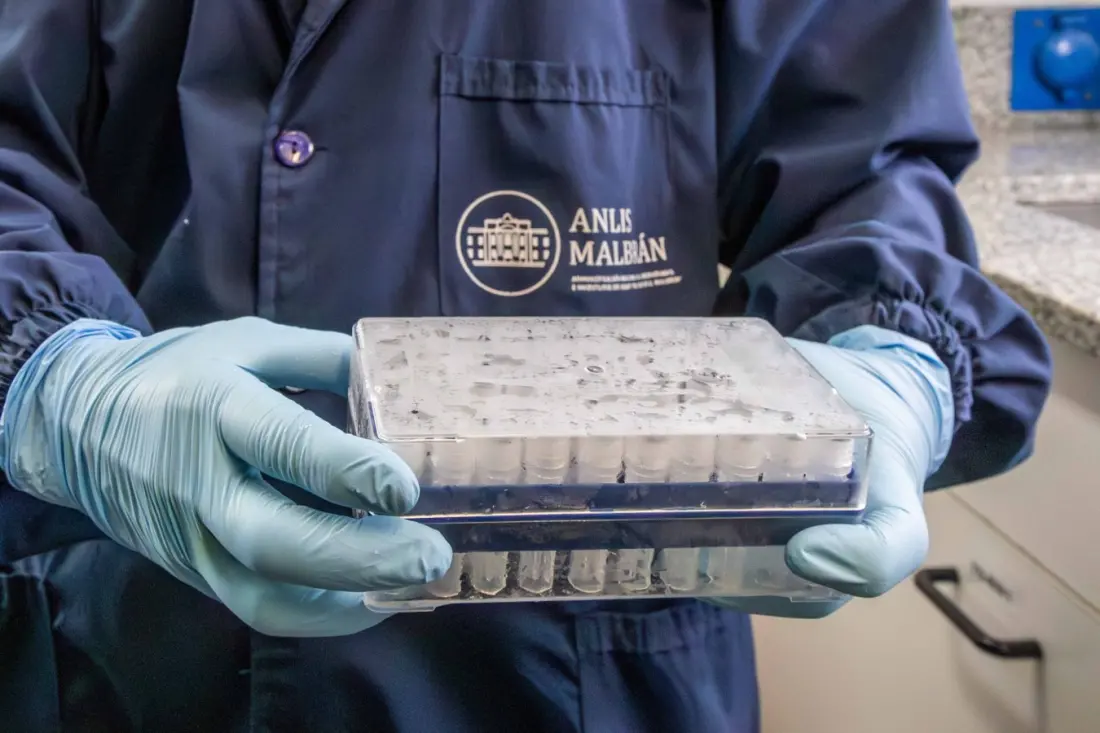
The likely index case is a Dutch traveller who arrived in Argentina in November 2025 and spent almost four months moving through Argentina, Chile and Uruguay before boarding in Ushuaia. His route included Neuquén and southern Chile, squarely in endemic territory. Investigators from the Malbrán Institute are running rodent sampling and tracing in the regions he visited, and authorities are monitoring close contacts from the critical early-symptom window. Separately, Río Negro province confirmed a hantavirus case in a 45-year-old hospitalised in Bariloche — under intensive monitoring, with contacts isolated, but with no link to the cruise.
For travellers, the reassurance came from the top: WHO Director-General Tedros Adhanom Ghebreyesus stressed the outbreak is not the start of another pandemic. The realistic takeaway is modest but worth knowing — if you're trekking or road-tripping through Patagonia, stick to the standard hantavirus precautions: avoid rodent-infested buildings and cabins, don't handle droppings, keep food sealed, and mention travel history if you develop fever or breathing trouble after the trip. Long overland itineraries through remote rural areas carry more exposure risk than a week in Bariloche or a cruise disembarkation.
The open question for investigators is where, along four months and thousands of kilometres, the infection first took hold — and the answer will shape how much, if anything, changes for tourists heading to Tierra del Fuego.
Story via Argentina Reports.