Some of New Zealand's most iconic walks depend on a quiet network of publicly owned huts and tracks, and looking after them just got a formal boost. The Department of Conservation (DOC) and the Backcountry Trust (BCT) have signed a memorandum of understanding that builds on their existing partnership and sets up a framework for keeping the backcountry network in working order.
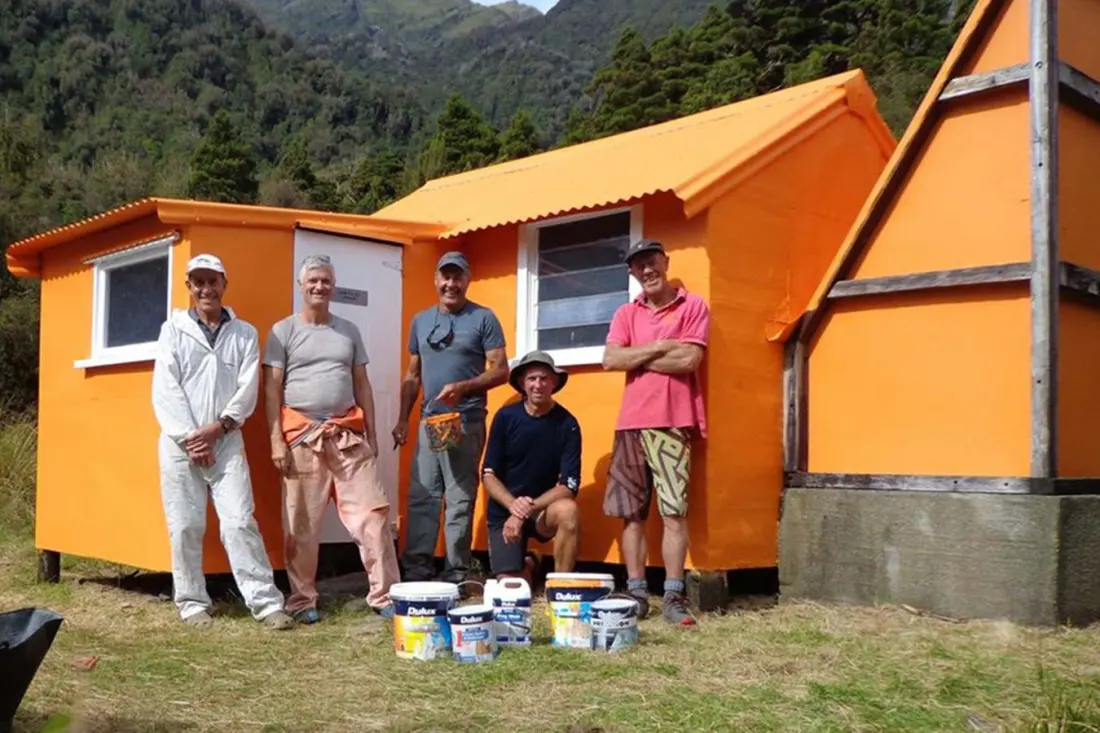
The two organisations plan to have a national operational agreement in place by the end of 2026. The idea is to give the Backcountry Trust a bigger, more formal role in helping manage and maintain a number of backcountry huts alongside DOC. Importantly for walkers and trampers, the huts will stay publicly owned, and DOC will continue to run most of the network itself. The finer print — funding arrangements, which huts might be included, and who takes on which responsibilities — is still to be worked out.
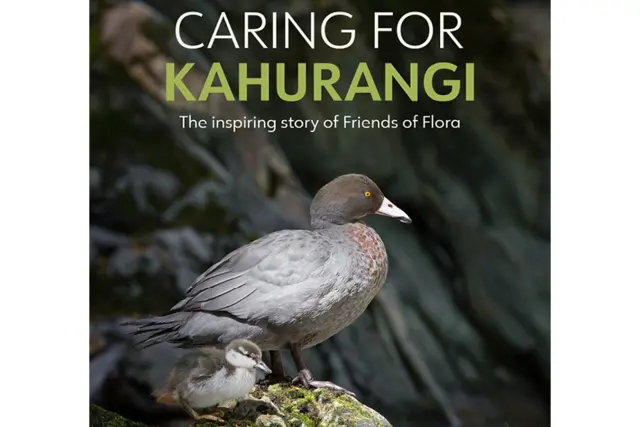
BCT chair Kevin O'Connor framed the goal simply: making sure New Zealanders can keep enjoying a resilient, accessible hut and track network for generations to come. For anyone who has ever slogged up a valley in the rain and found a dry bunk and a roof waiting at the end of it, that commitment matters. The hut network is what makes multi-day trips into places like Fiordland, Kahurangi or the Ureweras achievable without a tent-heavy, expedition-style setup.
Why should travellers care? Because DOC huts and tracks underpin much of the country's appeal beyond the postcard hotspots. Volunteer and partnership labour already plays a big part in maintaining lesser-known routes, and this deal signals a more structured, sustainable approach rather than piecemeal repair work. If you're planning a tramp in the next couple of years, expect continuity — huts remain open and bookable as usual — but in the long run, a better-maintained network should mean fewer closed routes and more reliable shelters in remote country.
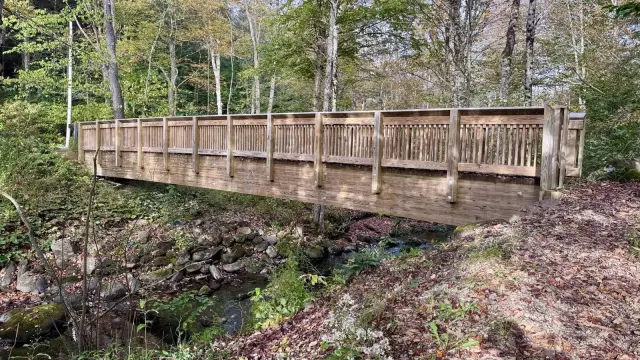
It's also a nudge to look beyond the Great Walks. While the famous routes grab the bookings, much of the backcountry network that this agreement covers is quieter, cheaper and often more rewarding: think modest $5–$15 huts (or free ones in the far reaches), suspension bridges over turquoise rivers, and a realistic chance of having the bunkroom to yourself outside peak season. Keeping that network healthy keeps those experiences available to anyone with a pair of boots and a booking.
The timeline to watch is the end of 2026, when the national operational agreement is due. Until then, the practical takeaway is straightforward: New Zealand's backcountry remains open for business, its huts stay public, and the long-term maintenance story just got a firmer footing.
Full story via Wilderness Magazine NZ.