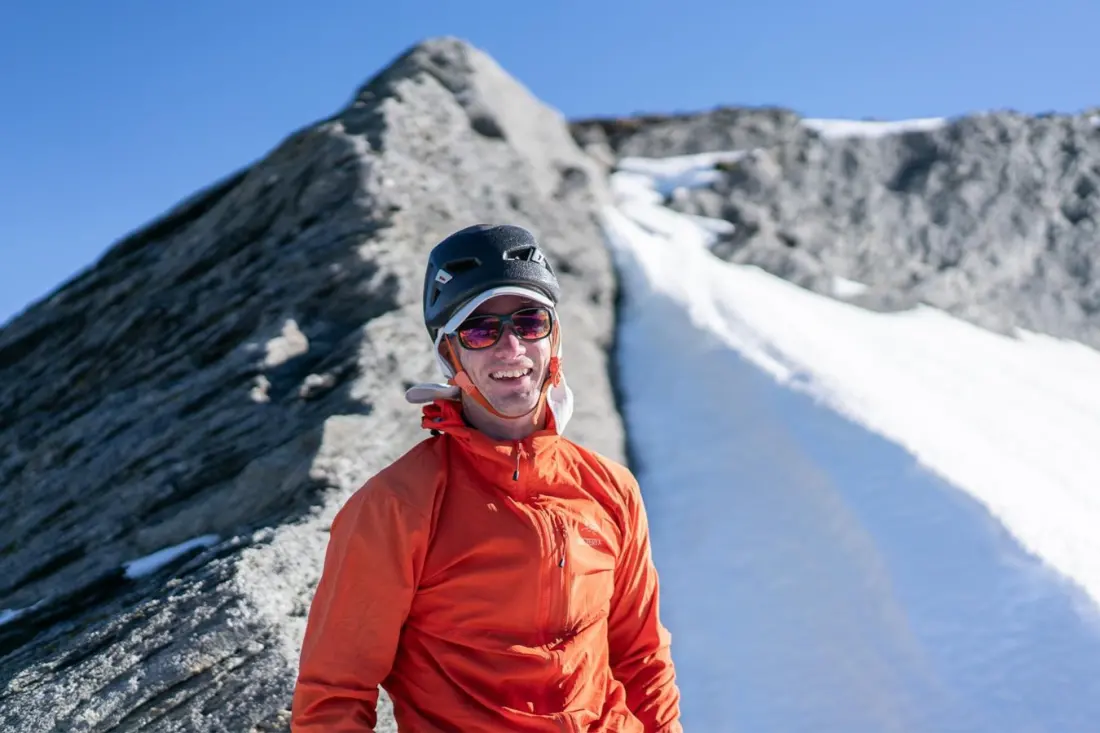
New Zealand's wild places have a lobby group, and it just has a new face at the top. Allan Brent is the current president of the Federated Mountain Clubs (FMC), the organisation that has long championed the interests of trampers, climbers and outdoor recreationists across the country.
Brent is Otago-born and bred, and these days lives in Wānaka — a fitting base for someone whose job description basically amounts to looking out for the places people go to get away from it all. His outdoor credentials go back decades. He cut his teeth in the Otago University Tramping Club as a student, and has been involved with the New Zealand Alpine Club and other groups over the years. His link to FMC, he says, has been an indirect but long-standing one, which finally led to him putting his hand up for the presidency this year.
So why should a traveller care about a club president? Because FMC is one of the main voices arguing for public access to New Zealand's backcountry — the huts, tracks, conservation land and access rights that make the country such a magnet for hikers. When tenure review, conservation policy or access issues come up, FMC is in the room. The quality of your next multi-day tramp, and whether that hut booking or high-country route is even available, is shaped in part by the advocacy this group does.
For visitors, it's also a useful pointer to how the NZ outdoors works: it's a club culture. Tramping clubs, alpine clubs and bodies like FMC underpin a network of knowledge, maintained routes and volunteer effort that official agencies can't provide alone. Travellers planning serious trips — think Fiordland, Mount Aspiring, or the ranges around Wānaka and Queenstown — benefit from that infrastructure whether they realise it or not. Getting involved with a club, or simply supporting the organisations that maintain access, is a genuine way to give something back after a trip.
Brent's Otago backyard is as good an entry point as any into that world. The region around Wānaka packs in everything from easy lakefront walks to serious alpine routes, and it's less crowded than some of the better-known South Island hotspots. If his profile sparks an interest in New Zealand tramping generally, the club network — university clubs, alpine clubs, and FMC's affiliated groups — is the traditional on-ramp for locals and a surprisingly useful resource for visitors too.
The full interview with Brent appears in Wilderness Magazine, which covers the people and issues behind New Zealand's outdoor scene. It's worth a read if you want to understand who's fighting for the tracks you'll be walking.
Wilderness Magazine NZ