
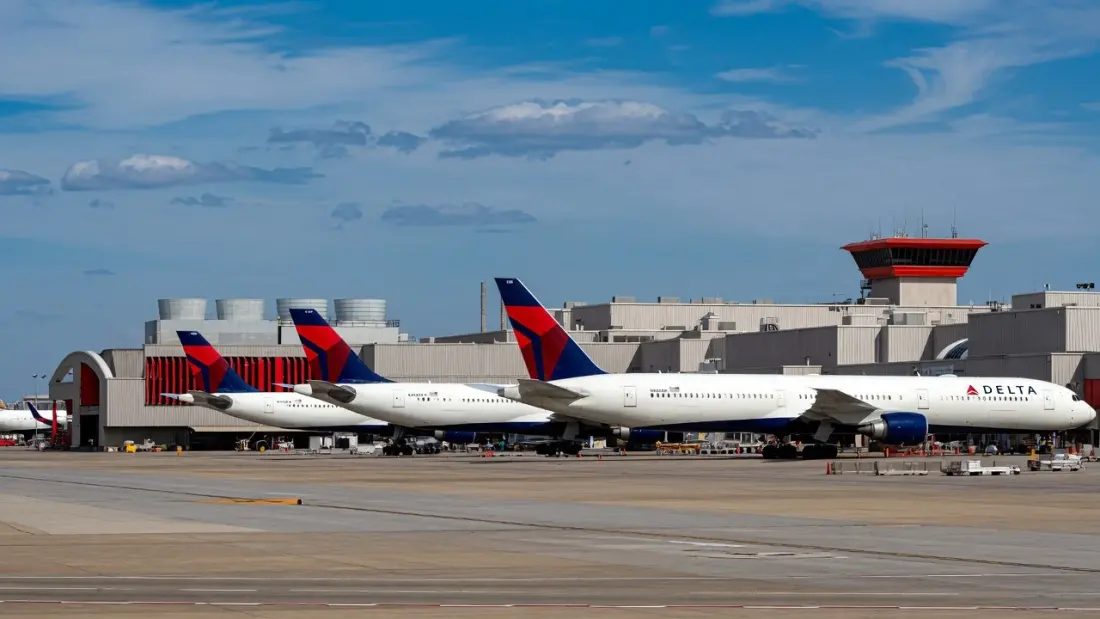
Delta has pushed back hard against claims that it uses AI to set individual fares based on personal data. In a letter to US Rep. Frank Pallone, the airline stated there is no fare product it has used, tested or plans to use that targets customers with individualised prices based on personal data. But critics point out that Delta has said — publicly and repeatedly — that personalised pricing is exactly where it's heading, just without necessarily feeding your name into the machine.
At Delta's November 2024 Investor Day, then-president Glen Hauenstein described a future where the airline has "a price available... to you the individual", calling AI pricing a "super analyst" working around the clock and framing it as a multi-year overhaul of how fares are set. Its AI vendor, Fetcherr, has promoted materials describing "finding the optimal price for each customer", moving from "segments of thousands" to "segments of one" — language that was reportedly scrubbed from its site after the controversy. Delta's CEO Ed Bastian has claimed AI could boost profitability by 50%.
Here's the catch for travellers: the current regulatory landscape offers little protection. The FTC can't touch airlines — air carriers are expressly excluded from its authority on unfair practices. That job falls to the Department of Transportation, which in 2014 declined to call personalised airline offers illegal. And state privacy laws on pricing are largely preempted by the Airline Deregulation Act, so Delta's promise to "comply with applicable laws" is less reassuring than it sounds.
So how does AI pricing actually work without your personal data? It doesn't need much. Your route, travel dates, device, booking channel, whether you arrived via a corporate portal, your loyalty status, and how shoppers like you historically behave are enough to estimate what you'll pay. Economically, that's the same as personalised pricing — predict the highest fare you'll accept.
There's an upside, though. Airlines hate selling an empty seat cheap because they fear bargain fares going to people who would have paid more. AI could give them the confidence to release near-zero last-minute fares only to travellers who would otherwise never book — meaning fuller planes and potentially lower prices for flexible flyers. Delta itself acknowledged AI tools could lower fares in weak-demand periods.
And frankly, personalised fares aren't new. Since US deregulation in 1978, airlines have charged everyone on the plane a different price using advance-purchase rules, Saturday-night stays and fares that shift several times a day. AI just makes the targeting sharper and faster.
Why it matters to you: if you're a price-sensitive, flexible traveller, AI pricing may work in your favour with more selective discounting. If you book late, from a work laptop, or on routes with captive demand, expect the algorithm to find you — and price accordingly. Booking incognito won't save you; the signals are behavioural, not personal.