A 57-year-old Dutch diver died on Friday, 18 September, after bolting for the surface from around 80m during an attempted 100-metre dive in Lake Attersee, one of Europe's best-known freshwater technical diving spots.
Upper Austria Police said the incident took place at the 'Ofen' (Oven) dive site near the village of Steinbach am Attersee. The man was diving with two companions, all described as experienced. For reasons not yet explained, he panicked and shot upwards without performing any of the decompression stops his depth required. One buddy tried to intervene but couldn't stop the ascent; the others came up slowly, following their own decompression obligations.
After surfacing, the diver was spotted roughly 100m from shore by two Polish divers, who swam out to help him. By coincidence, emergency services were already at the site treating another diver — a woman who had reported shortness of breath after surfacing. Medics attempted to resuscitate the Dutch diver but he was pronounced dead at the scene. The woman was taken to the Salzkammergut Clinic in Vöcklabruck with minor injuries.
According to local outlet Salzburg24, the victim's dive computer was too badly damaged to be read on site, and police have given no cause for the emergency so far.
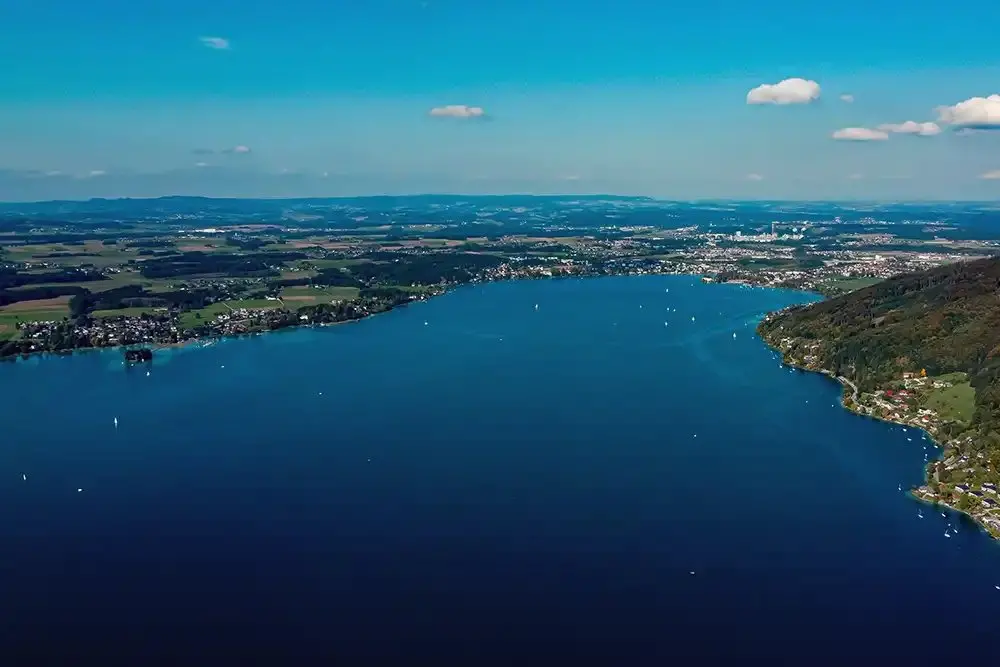
Attersee, in the Salzkammergut lake district south-east of Salzburg, draws divers from across Europe thanks to unusually clear water and steep underwater walls that drop well beyond recreational depth limits. Sites like the Ofen are used specifically for deep and technical training dives, which is why a 100m attempt — an extreme dive requiring mixed gases, careful planning and long decompression — was taking place there at all.
The story is a stark reminder of what deep diving demands. At 80-100m, every second of ascent matters: skipping decompression stops on a dive of that depth almost always leads to severe decompression sickness or fatal embolism, as happened here. Even seasoned teams can be overwhelmed when something goes wrong at depth, and buddy intervention during a panicked ascent is notoriously difficult.
For travellers, Attersee remains a legitimate diving destination — but it is not a casual one. Recreational divers can enjoy the shallower walls and clear water with local dive centres, while deep sites should only be attempted by trained technical divers with proper equipment, support and gas planning. Anyone considering it should verify instructor credentials, check insurance covers technical diving, and be honest about their own limits.