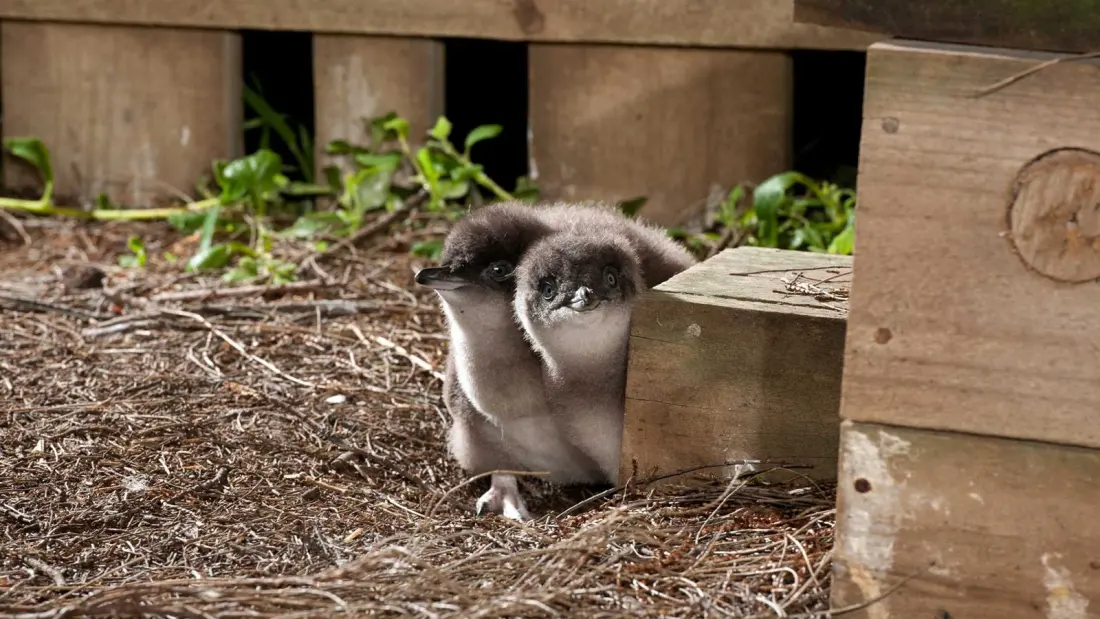
Every sunset on the Summerland Peninsula, crowds gather on the Bass Strait shoreline to watch thousands of little penguins surf in and waddle up the sand to their burrows. The Phillip Island Penguin Parade is one of the most dependable wildlife spectacles anywhere — and one of the few where your admission fee is doing measurable conservation work.
Phillip Island Nature Parks, which runs the parade, reinvests ticket revenue straight into habitat restoration, predator control and research. The island's fox population has been eradicated after a long-term campaign, a win that also helps Cape Barren geese, swamp wallabies and shearwaters. The result is a self-reinforcing loop, as the parks' conservation team describes it: healthy penguins and restored habitat draw visitors back, and visitor spending keeps funding the protection.
The science here is genuinely world-class. Researchers have kept an unbroken dataset on the colony since 1968 — the longest continuous penguin record on the planet. Because little penguins spend roughly 80 per cent of their lives at sea, scientists also fit them with GPS trackers (essentially Fitbits for penguins) to map feeding spots, dive depths and travel distances. A wind-powered sailing drone, built with French collaborators, now measures ocean temperature, salinity and oxygen while sonar maps the fish the penguins depend on.
The findings travel well beyond Victoria. Phillip Island recently hosted the 12th International Penguin Conference, drawing around 270 penguin scientists from around the world. A weighbridge system, developed with the Australian Antarctic Division and used to log penguin weights since 1994, has been adopted by researchers in New Zealand and South Africa. That sharing matters: of the world's 18 penguin species, 13 are listed as in trouble on the IUCN Red List. Phillip Island hosts the largest little penguin colony on Earth, and it's thriving while many others shrink.
Visitors who want to go further can donate to the Penguin Foundation, which funds detection dogs that sniff out feral cats and foxes, plus research into wildlife health threats including H5N1 avian influenza.
Why should a traveller care? Because this is regenerative tourism in practice, not marketing speak. The parade sells out because the ecosystem is healthy, and the ecosystem is healthy because the parade sells tickets. If you're heading to Melbourne, the island is an easy add-on — arrive before dusk, rug up against the sea breeze, and book a spot in advance for the best vantage. You'll be watching wildlife and quietly financing its future at the same time.