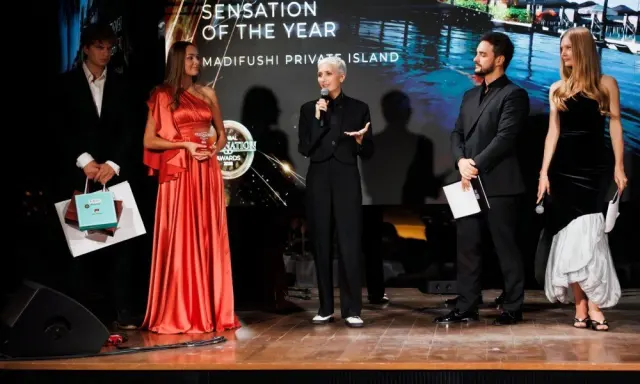
Greenland is having a moment. A six-member delegation from the European Parliament's transport and tourism committee landed this week for a four-day visit (21-24 September) to Ilulissat and Nuuk, led by German MEP Jens Gieseke. On the agenda: air connectivity, passenger rights, maritime transport, infrastructure and how to grow sustainable tourism without wrecking one of the planet's most fragile environments.
The trip lands at a delicate time. US President Donald Trump's long-running interest in claiming the territory culminated last Friday in an announced agreement with Denmark and Greenland expanding American military access, reportedly signed around the UN General Assembly. Both Danish and Greenlandic leaders insist the deal protects Greenland's self-determination, and NATO plus French President Emmanuel Macron have backed that reading. Meanwhile, twelve European countries recently pushed for a stronger European Arctic presence at a meeting in Rovaniemi, and the EU is due to publish a security-focused Arctic strategy in October.
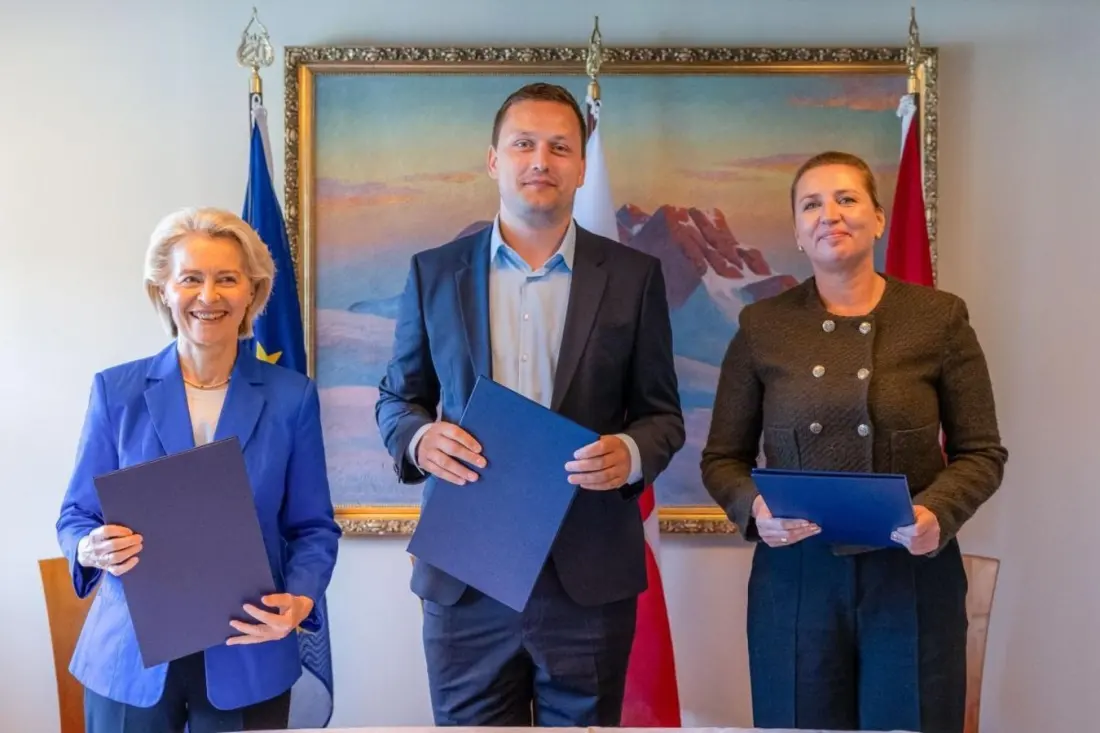
For travellers, the more immediately relevant news is money and flights. Earlier this month, European Commission President Ursula von der Leyen visited Nuuk and announced a €200 million Global Gateway Partnership Package for 2026-2027, covering digital connectivity, renewable energy, critical raw materials, housing, small businesses and — notably — sustainable tourism. Greenland is already the largest per-capita recipient of EU support among overseas territories, with €225 million allocated for 2021-2027 and another €530 million proposed for 2028-2034.
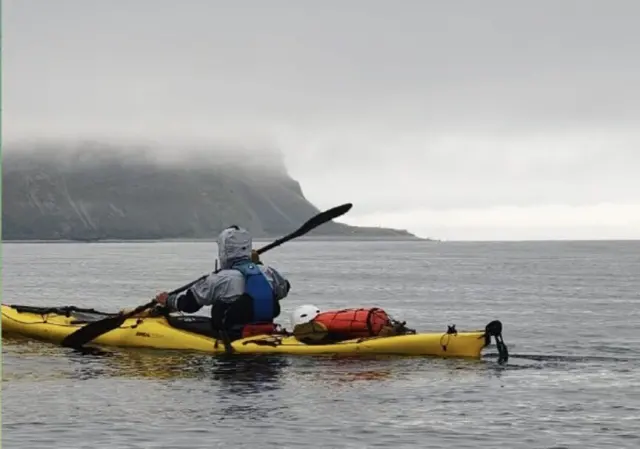
That investment is meeting rising demand. Statistics Greenland reports guest nights in registered accommodation rose 15.4% in 2025, with international visitor numbers up a striking 46%. A driver is the new international airport at Ilulissat — one of the delegation's stops — which is steadily cutting the friction of reaching the iceberg-strewn Disko Bay. For anyone who has long had Greenland on their list, the window of accessible-but-uncrowded travel is open now, and the EU is explicitly betting tourism can diversify an economy historically dependent on fishing. The open question the MEPs are grappling with is whether infrastructure can keep pace while local communities actually benefit.