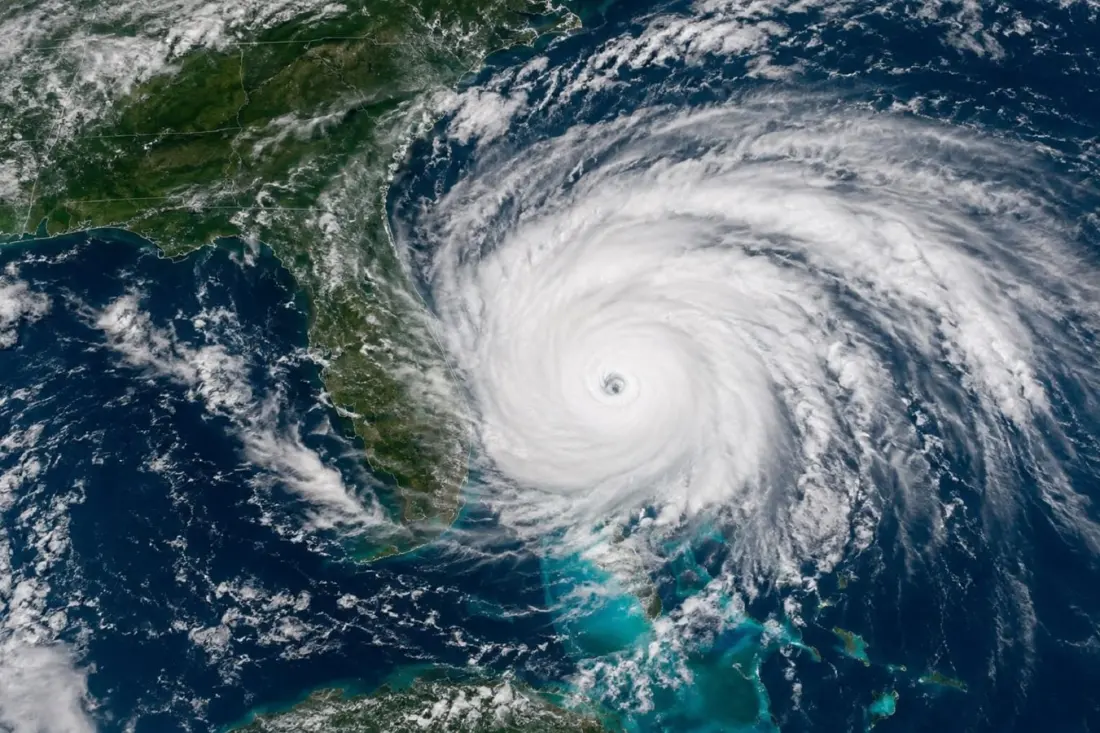
The first named storm of the 2026 Atlantic hurricane season has turned deadly. Hurricane Isaias came ashore near Destin, in Florida's northwestern Panhandle, at around 9:30 p.m. on Friday, October 9, arriving as a Category 2 system with sustained winds of roughly 105 mph. US authorities now link the storm to four deaths across Florida and Alabama, up from the two initially reported.
Two of the victims died when trees crashed onto homes — one in Escambia County, Florida, and another in Birmingham, Alabama, where emergency crews rescued a second occupant from the damaged house. A third death occurred in Escambia County from carbon monoxide poisoning after a generator was left running in a garage; four family members aged between four and 72 were hospitalised with non-life-threatening injuries. The fourth victim died in a traffic accident involving a fallen tree in Barbour County, Alabama.
Isaias had briefly reached Category 3 strength over the Gulf of Mexico before weakening as it approached the coast. Once inland, cut off from the gulf's warm water, it was downgraded — but the danger didn't end there. Hundreds of thousands of customers lost power, and officials warned of flash flooding, damaging wind gusts and possible tornadoes across Alabama, Georgia and the Carolinas, with heavy rain expected to push into the Appalachian region. Downed trees and building damage have left some areas prone to flooding and travel disruption.
For anyone with trips booked to Florida's Gulf Coast or the wider Southeast, the practical takeaway is to keep monitoring forecasts and check with airlines and accommodation providers before travelling — road closures and power outages can linger for days after a storm has passed.
There is a broader picture worth noting for travellers planning later in the season: forecasters point to El Niño as the reason 2026 has so far been a quieter hurricane year than average. The Pacific climate pattern increases wind shear that tears developing storms apart, and it brings drier, more stable air over the Caribbean, limiting the moisture cyclones need to strengthen. Quieter doesn't mean nothing can happen — Isaias proved that — but it does modestly lower the odds of a major hurricane disrupting Caribbean and US Gulf trips.
The season runs through November, and the Gulf Coast remains most exposed between August and October. Travellers heading to Florida, Alabama or the broader Southeast in the coming weeks should keep an eye on National Hurricane Center updates and consider travel insurance that covers weather disruption.