Buying or renting a home in Mexico — whether it's a courtyard compound in Oaxaca or a condo near the beach in the Yucatán — comes with insurance rules that trip up plenty of newcomers. A practical guide from Mexperience lays out the pitfalls, and they're worth knowing before you sign anything.
The first distinction: owners can insure the building itself, their possessions and third-party liability. Renters can't cover the structure, but can protect belongings and cover liability if a guest, cleaner or gardener gets hurt on the property. Either way, watch the policy type. "All Risks" cover pays out for most incidents, while cheaper "Named Perils" policies only cover listed events — and some Mexican insurers can't underwrite hurricanes, floods or earthquakes at all, though specialist US insurers will. Given Mexico's exposure to seismic and storm events, that gap matters.
Some structures are effectively uninsurable. Wood-framed buildings and palapa (palm or straw) roofs are usually excluded outright, and adding them means premiums that rarely make economic sense. Multi-structure homes — common in Mexico, with buildings around a central courtyard — follow a simple rule: what's connected counts as one building; anything freestanding is insured separately, including guesthouses, cabañas and studios.
Renting your place out adds another layer. Some policies void cover entirely when the home is rented, even occasionally, or charge a hefty supplement for renter's liability. If you rent a room or casita while living on site — "simultaneous occupancy" in insurance-speak — a domestic policy won't do; you'll need a pricier commercial policy. Rent out the whole place and vacate while guests are there, and a personal policy is fine. Landlords can also add loss-of-rental-income cover, with proof of a rental contract required.
Condo owners, don't lean too heavily on the building's blanket policy. It typically covers the structure and communal areas, but the wording is often limiting, and many Mexican policies exclude third-party liability or load it with big supplements. Crucially, if your leaky shower floods the neighbour's unit below, you're liable for both repairs — so unit-level cover is wise. Check the condominium's Byelaws and Covenants for the small print on what the blanket policy actually includes.
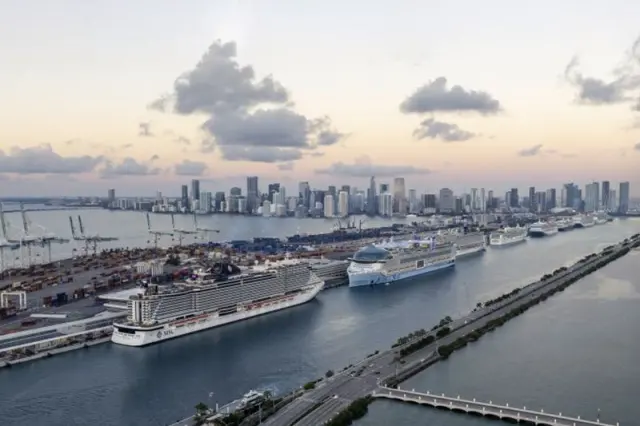
Location changes the maths. Beachfront and waterside properties can be insured, but insurers use the property's Mexican postal code to map hydrological and storm risk, and some will simply refuse the risk. The Yucatán peninsula is the toughest market of all: its geology plus hurricane exposure make cover hard to find or prohibitively expensive, though brokers like MexPro do write policies there. And if a boat, yacht or jet ski is part of the picture, it needs its own policy priced on days in Mexican waters and craft value — ideally with liability, legal assistance and bond cover, since on-water accidents are legally treated like serious car accidents.
For holiday-home buyers and long-stay travellers, the takeaway is simple: read whether your policy is All Risks or Named Perils, check the rental and liability clauses, and don't assume the condo association has you covered.