Limassol — Lemesos to locals — spends its summers packed with beachgoers, but the real argument for visiting is everything else on the calendar. The city and its surrounding region stack up enough history, wine and mountain air to fill a trip in any season, and winter here looks very different from most Mediterranean destinations: you can ski in the morning and eat seafood by the marina at night.
Start with the history, because it's dense. The Medieval Castle in the old town has seen Byzantine, Venetian and Ottoman rule, and tradition holds that Richard the Lionheart married Berengaria of Navarre there in 1191. Just outside the city sit the ruins of Amathus, with its temples of Aphrodite and early Christian basilicas, while Kourion to the west perches on clifftops above a restored Greco-Roman theatre that still stages live performances. Kolossi Castle adds another layer — it's tied to Commandaria, the sweet amber dessert wine produced on its lands and widely considered the world's oldest continuously named wine.
That wine is reason enough to come. A route of wine-growing villages — Omodos, Vouni, Koilani — threads through the hills, and autumn is harvest season if you want to see the vines at their most active.
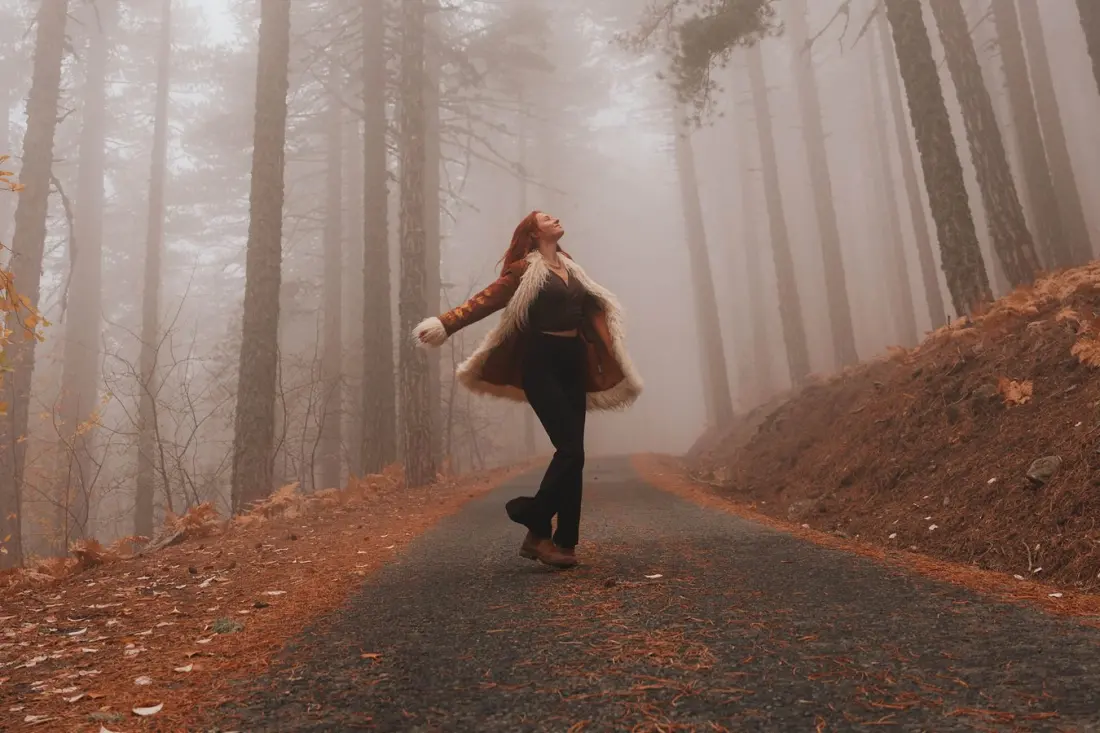
The nature is more varied than you'd expect from a coastal city. The Troodos Mountains offer wildflowers in spring, forest hiking and biking in summer and autumn, and actual skiing in winter on Mount Olympus, Cyprus's highest peak. The Artemis Trail loops around its slopes. Down at the Akrotiri Peninsula, the island's largest salt lake turns into a wildlife spectacle that shifts by season: migratory birds pass through in spring and autumn, turtles nest on summer beaches, and thousands of flamingos arrive in winter.
The villages are half the appeal, too. Pissouri sits near Cape Aspro with mountain-and-sea views, Lofou occupies a natural amphitheatre of red-tiled roofs and cobbled lanes, and Vouni preserves centuries of stone-built architecture. Life here moves at the pace of the agricultural calendar — expect folk dancing and festivals in summer, harvest and wine events in autumn, and artisan markets whenever you turn up.
Limassol itself has grown into a proper waterfront city. The Molos Promenade is made for evening strolls, the old town hosts live music, and Limassol Marina is lined with restaurants. There's also a serious luxury tier — five-star beachfront hotels, spas, private archaeological tours and wine-paired fine dining — though the city works just as well on a modest budget.
Who's it for? Anyone who wants a Mediterranean trip that isn't hostage to July and August. Spring suits walkers and ruin-hunters, summer brings the cultural calendar, autumn is for wine people, and winter delivers flamingos, quiet streets and skiing — a combination you won't find anywhere else in Europe at this latitude.
Story via Wanderlust.