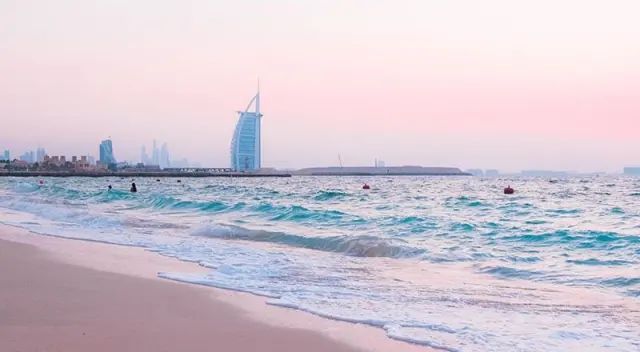
The UAE has just recorded its coolest morning since spring, and it's a sign that the country's best travel window is approaching. The National Centre of Meteorology logged a low of 18.6°C in Raknah, near Al Ain, at 6am on Monday, September 28 — the first time this season temperatures have slipped below 20°C. It follows an earlier dip to 18.8°C on September 18, so autumn is clearly arriving on schedule after the equinox on September 23.
That said, don't pack the jumpers just yet. Early autumn days in the UAE still push towards 39°C, with nights around 26°C. The real change comes in stages: by early November, forecasters expect highs near 31°C and lows of 18°C, and by the end of the season — which runs until the winter solstice around December 22 — daytime temperatures could sit at a pleasant 25°C with nights down to 13°C. In practical terms, November through January is when the UAE goes from 'survivable' to genuinely lovely: beach weather, desert camping season, and comfortable city walking.
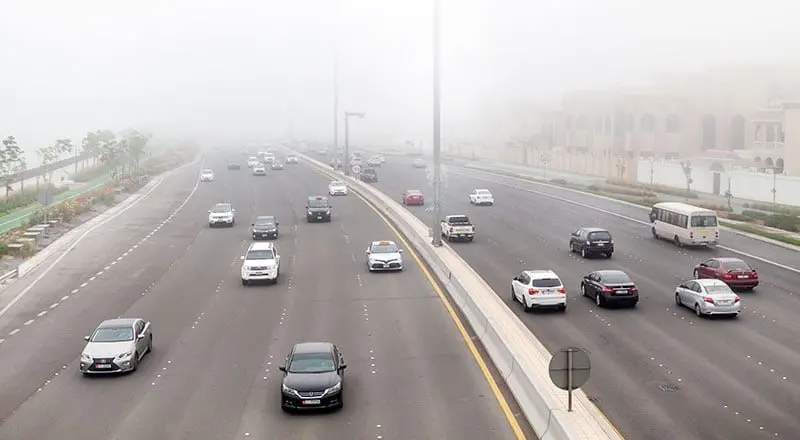
Two side effects of the cooler season are worth knowing about. First, fog returns. Early mornings, especially in the first half of autumn, are likely to get mistier as humidity climbs — picturesque from a rooftop, less so if you have a dawn desert drive or early flight planned, so check the forecast the night before. Second, there's a chance of a wetter winter than usual. The NCM says some weather models point to above-average rainfall between October and January, though it's too early to put numbers on it. Rain in the UAE is still an event rather than a nuisance, and it usually clears fast.
For anyone who's been putting off a Dubai or Abu Dhabi trip because of the summer heat, this is the news worth waiting for. The months ahead offer the UAE at its best — outdoor brunches, dune safaris without the 45°C sting, and mountain hikes around Hatta or Jebel Jais actually being doable. Al Ain, where this week's record low was logged, is a good shout for a cooler inland escape, with its oasis and Jebel Hafeet views a few degrees fresher than the coast.