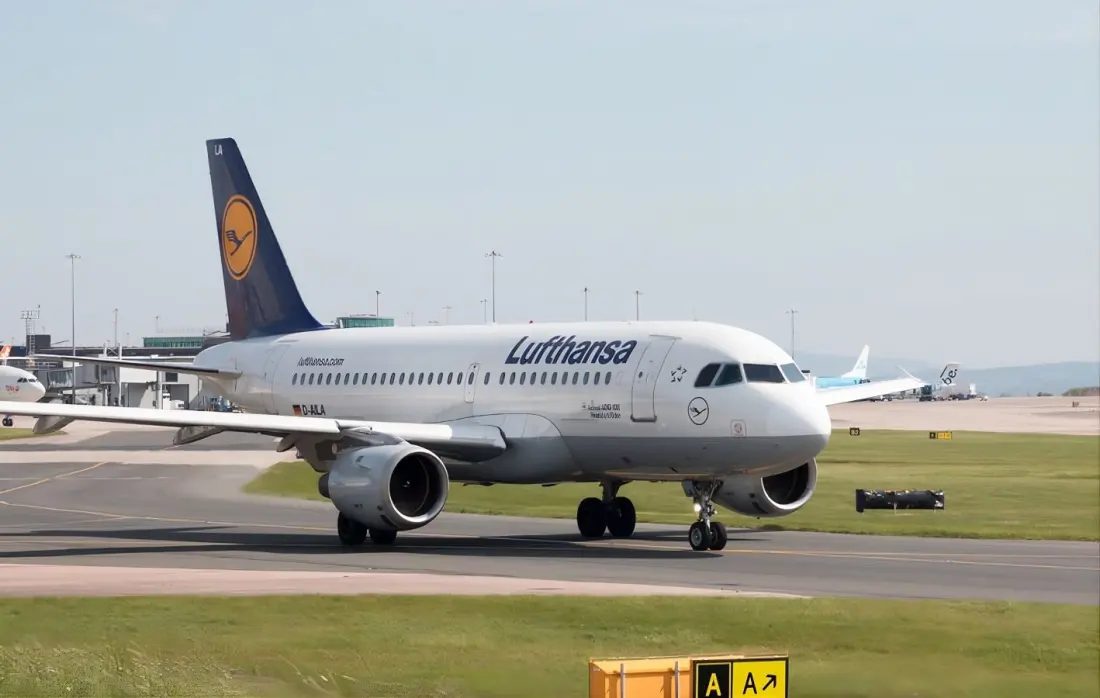
When a passenger publicly pushed Lufthansa on social media about a payment the airline had already approved but never paid out, the airline's official account snapped back that its response wasn't going to "magically change" just because he was asking the same question on X. The exchange, dated September 22, quickly became a case study in how not to talk to customers.
The passenger's complaint was specific: months earlier, the airline had approved a payment, and since then he'd been ignored across email and direct messages. He wanted the money, not another reply. Lufthansa's social team answered the accusation that it hadn't responded — rather than the fact that it hadn't paid. He fired back: stop arguing publicly and tell Customer Relations to process the payout.
To be fair to the airline, social teams sometimes need a firm line to end abusive exchanges. But nothing in this public thread suggested abuse — just a customer chasing money he was owed. The distinction matters: if a claim has been denied, saying the decision was sent privately is a reasonable final answer. If a payment was approved, someone should be finding out why it never arrived.
The contrast with other carriers is stark. American Airlines' Twitter team still quietly fixes problems — the article's author recalls agents arranging a golf cart across Dallas Fort Worth for a 17-minute connection, and reissuing a ticket stuck on a paper upgrade certificate. United gets similar credit. Ryanair goes the other way, roasting its own passengers for entertainment, which at least fits its brand. Southwest, once famous for around-the-clock witty social care, has gone silent since mid-June. Delta is largely absent too, yet keeps its reputation on the strength of flights and perks rather than replies.
There's a business logic to doing this well. Written channels let agents handle cases while customers dig up receipts, prevent repeat phone calls, answer questions publicly for everyone watching, and build the brand in public. Research in Marketing Science even found that good social service nudges more complaints later — but that's often because customers learn the channel actually works, not because service got worse.
Walking away entirely carries its own risks. When brands go quiet on major platforms, scammers fill the gap. One British Airways passenger who tweeted about a lost jacket was contacted by fake support accounts, handed over his reservation details, and had his return flights canceled. Airlines and hotel groups need visible, verifiable support channels — and genuine follow-through behind them. A witty reply means nothing if Customer Relations never processes the payout.