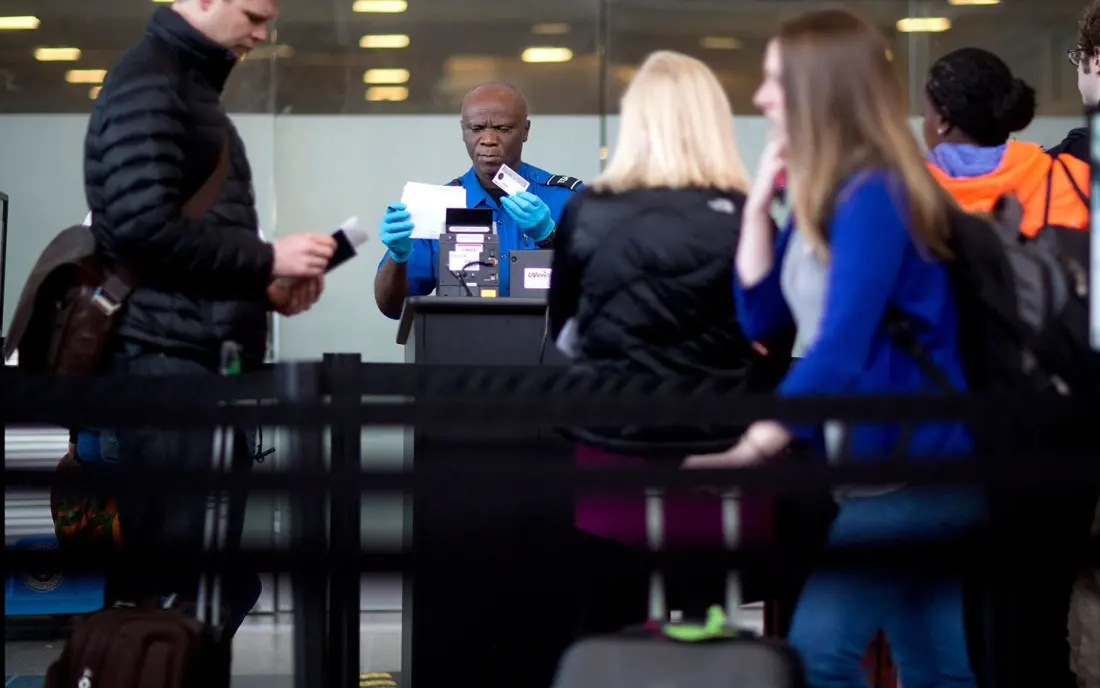
Even frequent flyers with TSA PreCheck or Clear get pulled aside at security, and according to Lexy Basil, Chief Commercial Officer of private terminal company PS, it usually isn't because they broke a rule. The system is built to process huge volumes fast, so anything that makes a bag harder to read on the scanner creates friction. Her advice: don't try to outsmart security — make your bag easy to interpret.
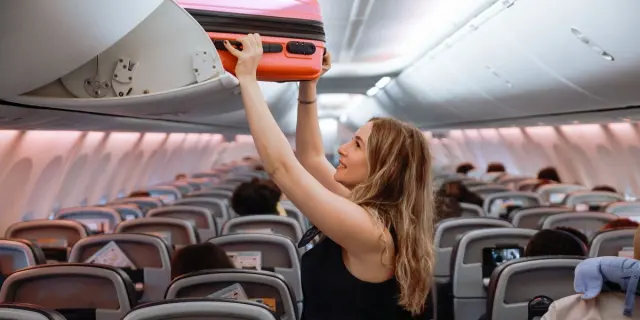
The biggest offender is the overstuffed carry-on. Squeezing a week of clothes into tightly layered packing cubes feels efficient, but when agents can't distinguish items in a dense bag, screening takes longer. The fix is simple: leave a bit of breathing room and keep similar items together.
Liquids are the classic trip-up, and not the obvious ones. It's the almost-compliant stuff — a serum marginally over 3.4 ounces, a toothpaste tube that's too full, a toiletry bag buried at the bottom of the case, or the water bottle you forgot to empty — that triggers delays. The 3-1-1 rule still applies: containers of 3.4 ounces or less, all inside one clear quart-size bag, one per passenger.
Food catches people out too. Peanut butter, yogurt, hummus and soft cheeses are all classed as liquids or gels, so they'll be confiscated if they break the limit. Dense powders like coffee grounds, protein powder and spices can also confuse scanners and prompt extra screening — if you're travelling domestically, the experts suggest shipping them to your hotel instead of hauling them through security.
Loose lithium batteries and portable chargers must always go in your carry-on, never checked luggage, and they shouldn't be tangled in a nest of cords where their shape is unclear. Wrapped gifts and cluttered electronics are similarly problematic: if the scanner can't produce a clean image, someone has to open the bag and take a look.
Finally, two less obvious flags. Damp swimwear and wet clothing change how your bag appears on the scanner. And organic souvenirs — shells, sand, or that jar of Hawaiian honey you were looking forward to — often earn a second look if they aren't cleaned and sealed properly.
Why does this matter? None of these mistakes will get you in trouble, but each one can add minutes to your screening while a long queue builds behind you. For travellers on tight connections or anyone who finds security stressful, small packing adjustments — looser bags, compliant liquids clearly separated, batteries organised, gifts unwrapped until you arrive — can mean walking straight through instead of waiting for a manual bag check.