The idea of buying a home with a hotel's name on the deed sounds like a 2020s invention, but it's actually almost a century old. The Sherry-Netherland in New York was selling permanent apartments with hotel services back in 1927. The modern version kicked off in 1985, when Four Seasons attached residences to its Boston property, and Aman followed three years later with Amanpuri in Phuket.
What was once a niche product is now one of the fastest-growing corners of luxury real estate. More than 700 branded residences existed worldwide as of 2025, with roughly as many again in the pipeline, and over 220 brands now play in the sector — not just hotel groups but fashion and design names too. According to Savills' Rico Picenoni, the Middle East and Africa combined are forecast to grow around 270 percent over the next seven years, with Asia Pacific also leading the charge.
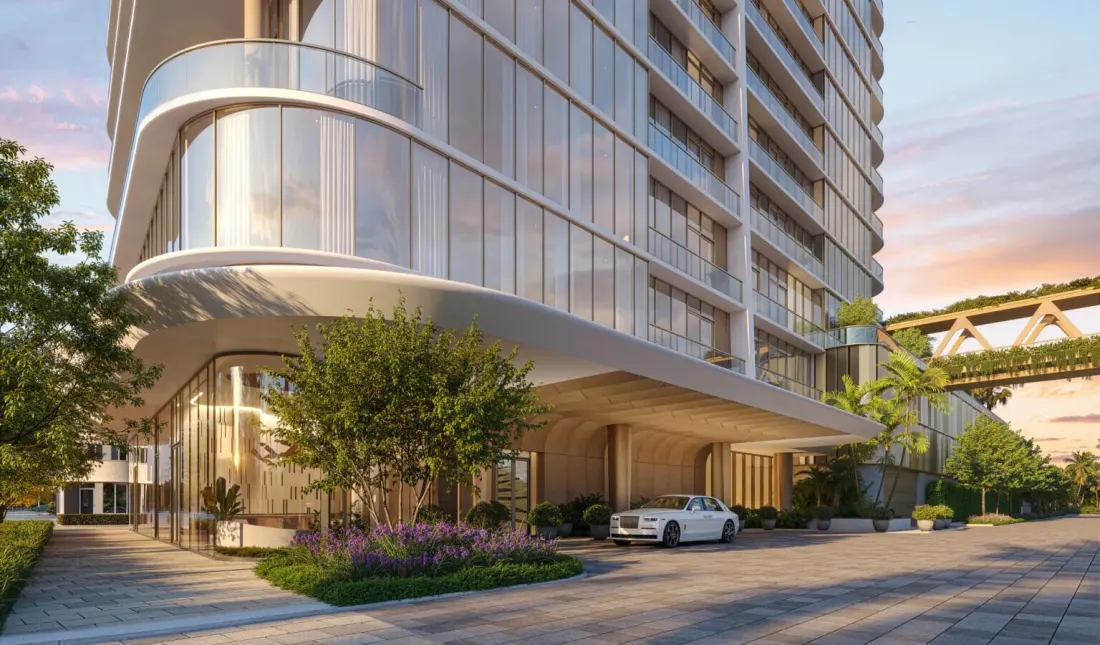
The model comes in two flavours. Hotel-integrated residences sit within or beside a hotel, so owners share restaurants, pools and spas with transient guests. Standalone towers carry the brand name but run as private buildings, with a more curated amenity set and no hotel next door. Both command a serious premium — typically 25 to 40 percent above comparable non-branded luxury property — which is why the buyer pool remains a wealthy, second-home-seeking crowd rather than everyday travellers.
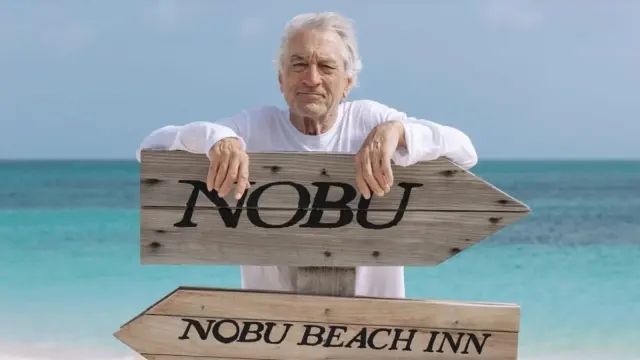
The choice of brands, meanwhile, has exploded. Marriott alone runs residences under Ritz-Carlton, St. Regis, W and EDITION; Hilton offers Waldorf Astoria, Conrad and LXR residences; and Accor, IHG, Hyatt, Aman, Mandarin Oriental, Rosewood, Nobu and The Standard are all in the game. New openings keep pushing into fresh territory: Nammos Resort AMAALA in Saudi Arabia's Triple Bay Marina opened with 20 branded residences, Maybourne brings its first-ever residences to Paris in 2027 with The Maybourne Saint-Germain, and further out, Anantara heads to Turks & Caicos in 2029 while Aman plans Amansanu in Texas.
Two trends are shaping what these homes look like. Wellness is now a default expectation, driving serious investment in spas and high-end gyms. And brands are hunting vacation-style destinations rather than sticking to gateway cities — good news for anyone who wants hotel-grade service in a beach town.
Why should a regular holidaymaker care? Even if a $3 million pied-à-terre isn't on the cards, the boom affects where luxury hotels build, which destinations get five-star infrastructure, and what's available to book. A branded residence attached to a hotel often means better restaurants, spas and facilities for paying guests too. And for travellers who fall hard for a destination and want a stake in it, the branded route offers hotel service at home — at a price the market has clearly decided people will pay. Whether it's a fad or the future, the 700-plus projects already standing suggest it's the latter.