Paella by the sea is a fine plan — but it's one dish in a country that runs from 10,000-foot peaks to volcanic islands, and Spanish food changes as fast as the scenery. If you've already ticked off Valencia, here's what the rest of the map tastes like.
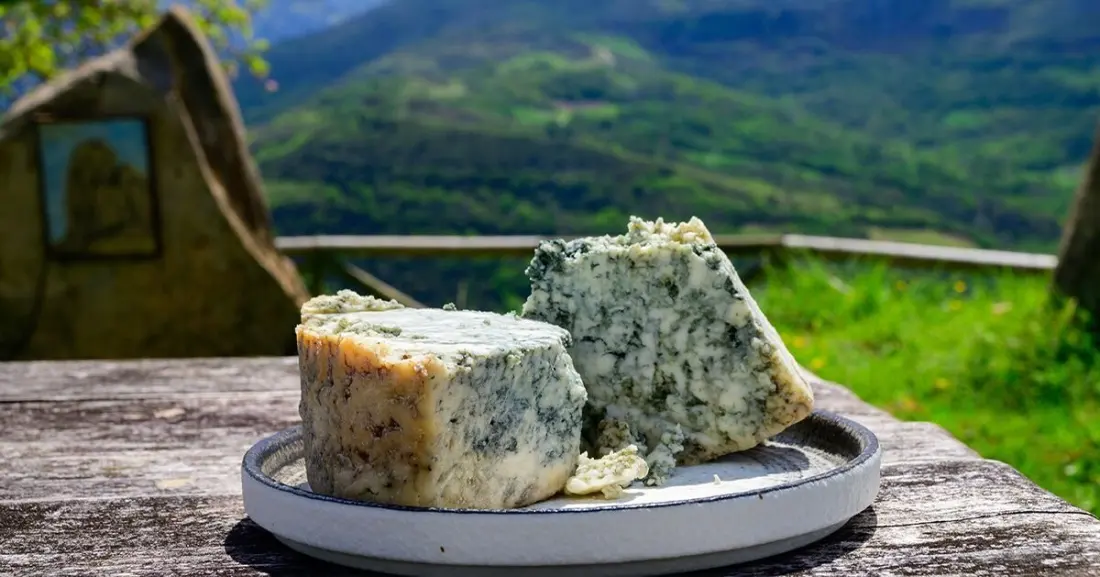
In the mountains, altitude and shepherding traditions set the menu. In Asturias' Picos de Europa, cabrales blue cheese is aged in caves by local shepherds, while over in Cantabria's Valles Pasiegos, bakeries turn out sobaos pasiegos — simple butter-and-egg sponge cakes born of pantry-limited mountain life. La Rioja isn't just wine country: in the Sierra de la Demanda, bars serve chuletillas al sarmiento, lamb cutlets roasted over vine shoots, close to the UNESCO-listed Suso and Yuso monasteries. In the Navarrese Pyrenees, look for pochas, white beans first grown by monks in the 18th century, and in Aragón's Ansó Valley, migas de pastor — breadcrumbs fried with lamb fat and wild mushrooms.
The coast has its own cast of characters. Galicia's Costa da Morte supplies percebes (goose barnacles), picked by hand off wave-battered cliffs by professional percebeiros. In San Sebastián, chipirones — small squid in their own ink — are a staple tapa. Murcia's answer to paella is arroz de caldero from Cartagena and the Mar Menor, built on ñora peppers and fish stock. And in Cádiz in spring, bluefin tuna caught by the centuries-old almadraba netting technique takes over menus and food festivals along the Costa de la Luz.
Spain's interior is essentially Europe's orchard. Extremadura's Jerte Valley turns white with cherry blossom each spring, with festivals to match. Castile-La Mancha's saffron fields bloom violet in October, when the crocus harvest happens. In Castellón, cycle the coastal Ruta del Azahar when the orange trees are in flower, and in Catalonia, time your trip for a calçotada — a winter-and-early-spring gathering where sweet calçot onions are charred over fire and eaten en masse.
The islands play by their own rules. Lanzarote grows vines in black volcanic sand around La Geria, producing strikingly distinctive wines, while gofio — roasted grain flour dating back to the Guanches, the Canaries' original inhabitants — still shows up in soups and desserts across the archipelago. In the Balearics, Formentera's working salt flats blush pink toward the end of summer, and Mallorca's sobrasada (a paprika-spiked cured pork spread) is standard beach-picnic fare, celebrated each October at Campos' Fira de Matances.
Why it matters: Spain rewards travellers who plan trips around ingredients and seasons rather than a single bucket-list dish. Pick a landscape — peaks, coast, farmland, or islands — and the food follows naturally, giving you a different version of the country every time you go.