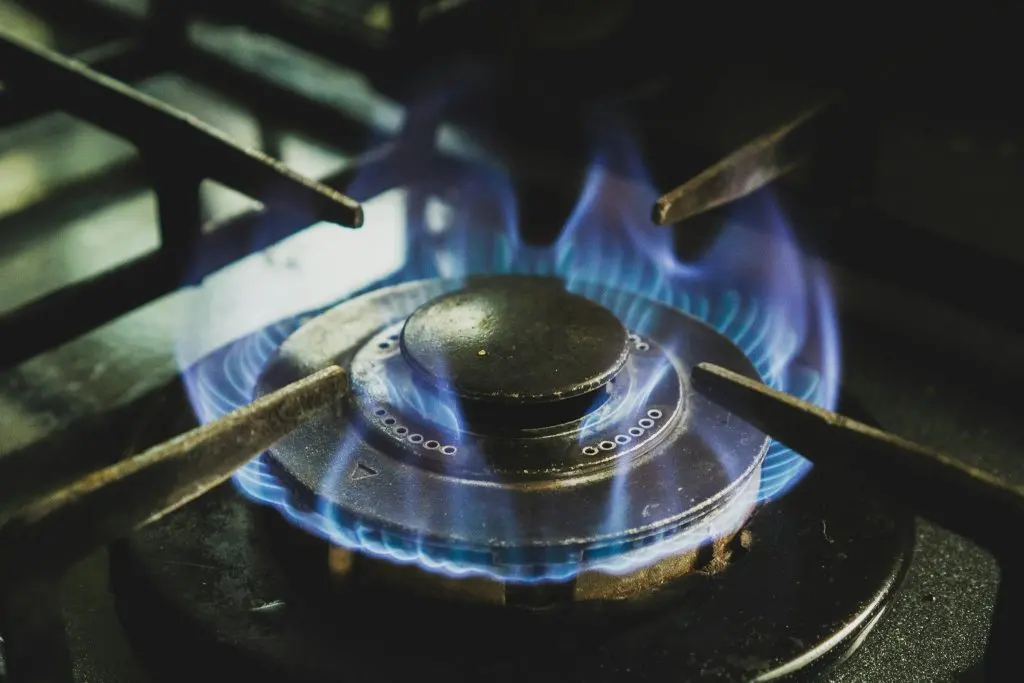
Spain is stepping in again to shield households from a fresh energy squeeze, and if you're planning a winter trip there, it's a sign of how sharply prices have moved. The government's latest package caps the rise in the regulated household gas tariff — the tarifa de último recurso, or TUR — at 15% for autumn and winter. Without intervention, the ministry says those customers would have faced an increase of more than 45% from October. The price of a butane cylinder, still used for cooking and heating in many Spanish homes, will be capped at €19.55.
Ecological Transition Minister Sara Aagesen announced the measures as the cabinet reviewed a third round of responses to the economic fallout from the Middle East conflict. Roughly 3.1 million customers — 39% of Spain's gas users — were on regulated rates at the end of the first quarter of 2026, so the cap touches a large share of the population.
The wider picture matters more for visitors. Diesel was 30% more expensive in August than a year earlier, according to the National Statistics Institute, and petrol was up almost 17%. Annual inflation hit 4.9% in September, the highest since February 2023. Current fuel discounts expire at the end of September, and the ongoing closure of the Strait of Hormuz keeps pressure on markets. Economy Minister Carlos Cuerpo has promised continued support for 'citizens and businesses', but details on petrol and diesel aid haven't been finalised — and lobby groups are restless. Agricultural organisations ASAJA, COAG and UPA have threatened protests if support lapses on 30 September, and the hauliers' association Fenadismer wants changes to how fuel aid is delivered, arguing oil companies have pocketed part of the benefit.
This isn't Spain's first round. A March package of about 80 measures cost an estimated €5 billion and reportedly reached 20 million households and three million businesses. A second decree swapped a VAT cut on fuel — which Brussels objected to — for direct discounts at the pump. Electricity help is already locked in: the phase-out of the tax on power generation continues, and enhanced Bono Social discounts plus disconnection protection run until 31 December 2026.
For travellers, the practical takeaway is modest but real: heating costs in winter rentals should stay in check thanks to the gas cap, but expect fuel, taxis, car hire fuel budgets and restaurant prices to reflect the higher inflation. It's also worth knowing that protest action by farmers or hauliers can disrupt roads at short notice if support schemes lapse without a replacement — a familiar pattern from past energy crunches. Aagesen compared the response to measures taken after Russia's invasion of Ukraine, and the European Commission has asked member states to consider consumption limits, including lower temperatures in public buildings and reduced public lighting. Museums, civic buildings and streets may feel a little dimmer or cooler than usual.
Spain is doing what it can to keep the shock off household bills; visitors will mostly notice it at the petrol station and on the bill at dinner. Story via Spain in English.