
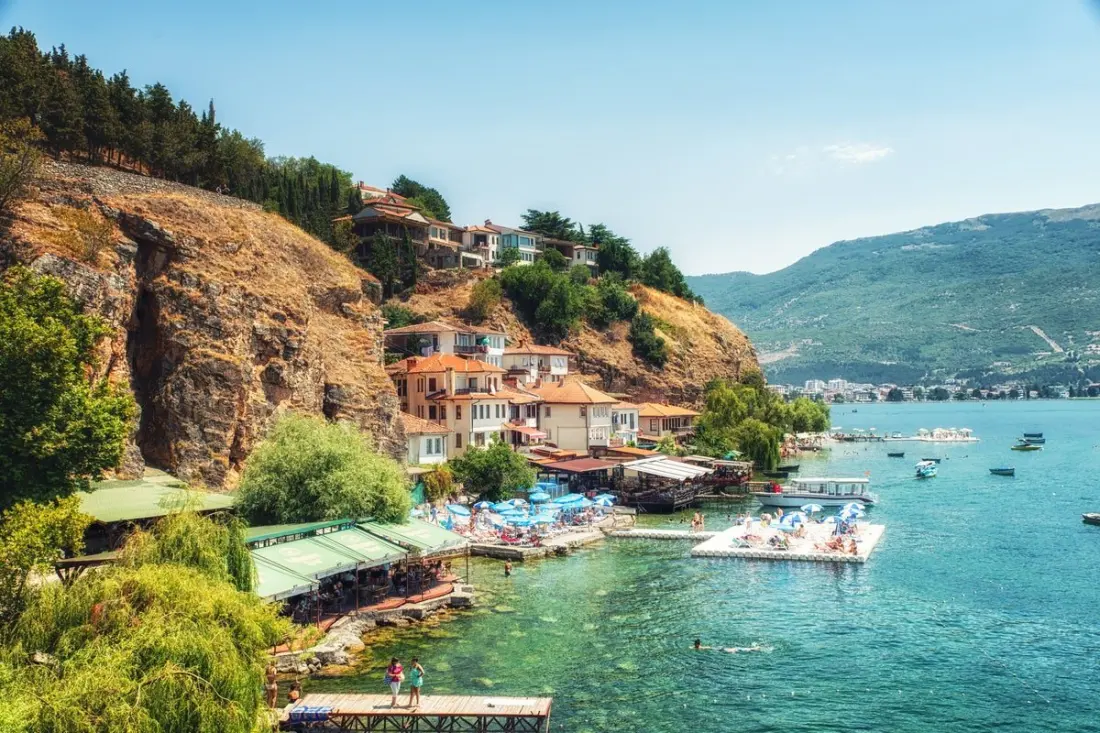
Record flights over Europe this summer, yet the map of who went where tells a stranger story. Eurocontrol data shows air traffic hit an average of 35,959 daily flights, but the spread was shaped heavily by the ongoing war between the US, Israel and Iran. Countries seen as close to the conflict — Turkey, Bulgaria, Hungary and Romania — lost traffic, while Albania, Serbia, North Macedonia, Slovenia, Montenegro, Croatia and Greece all gained.
The reasons stack up beyond simple safety worries. Since strikes on Iran began in February, jet fuel costs have surged, airlines have trimmed capacity and routes through Middle Eastern airspace have been altered or cut altogether. That has hit the Gulf hubs of Dubai, Doha and Abu Dhabi hard, with knock-on effects thousands of miles away. British Airways, for one, has dropped its London–Abu Dhabi route for winter 2026/27 and will launch its Dubai service later than usual.
Gulf-hub dependence explains Asia's wobble too. UN Tourism figures show Middle East arrivals fell 22% in the first half of the year, with South Asia down 5% and Southeast Asia 1%. Selective Asia founder Nick Pulley says bookings to countries served mainly by Gulf carriers — Nepal and Bhutan among them — fell by up to 60% in April and May, though demand has since recovered, with travellers favouring familiar picks like Thailand, Vietnam and Malaysia. Northeast Asia, reachable by flying west instead, actually grew 3%, with Japan and South Korea among the winners.
The Maldives tell a story of damage and rebound. Sun Siyam, which runs five resorts there, saw occupancy slump to 60% over Easter against a usual 90%+ while Foreign Office advice was in place. With the advice lifted, occupancy has climbed back to 80% — in low season, no less.
The bigger surprise is South America. Brazil counted 121,990 British visitors between January and July 2026, up 11.6% and its second-highest total ever, behind only World Cup year 2014. Peru welcomed 43,918 UK tourists in the same window, a 12% rise, and Chile is tracking a record year. Intrepid Travel reports Costa Rica bookings up 32%, with Peru and Guatemala also climbing.
Closer to home, Intrepid's UK chief Joanna Reeve says Brits are choosing active holidays in Albania, Slovenia and Norway, plus sailing in Greece, and pushing long-haul trips back to 2027. The pattern is clear: when confidence dips, travellers gravitate either to what they know or to destinations that feel a safe distance from the headlines — and right now, that means Balkan mountain towns and Brazilian beaches are the quiet beneficiaries.