A potentially historic El Nino is underway, with the World Meteorological Organization expecting it to reach 'super' status by the end of 2026 and possibly rank as the strongest on record. Forecasters expect the event to wrap up around February, but its ripple effects could stretch well into 2027 — so it's worth factoring into trip plans now.
The basics: El Nino weakens or reverses Pacific trade winds, shoving warm water east and reshuffling weather patterns worldwide. For travellers, that flips some destinations from good bets to risky ones and vice versa.
In North America, the northern U.S. and Canada are in line for a milder, drier winter — pleasant for city breaks in Chicago or Montreal, but bad news for ski resorts there. Skiers should look west instead, as Colorado and California tend to see above-average snowfall, and Tahoe resorts have extended seasons into summer after past El Ninos. The Gulf Coast and Southeast, meanwhile, face heavier rain, storms and even tornadoes, so build in buffer time for delays.
Beach plans should check the map carefully. Wind shear is suppressing Atlantic hurricanes, making Caribbean trips and cruises unusually appealing this autumn. Over in the Pacific, the opposite is true — Hawaii has already logged three hurricanes in a year when storms there are normally vanishingly rare, so Pacific islands and Mexican Riviera cruises carry more risk than usual until hurricane season ends around Nov. 30.
South America's Pacific coast needs caution. Coastal Ecuador and northern Peru face flooding — in 1997-98, a region that normally gets under an inch of rain a year was hit with more than 100 inches. Even Machu Picchu and Lima have already seen weather disruptions this cycle.
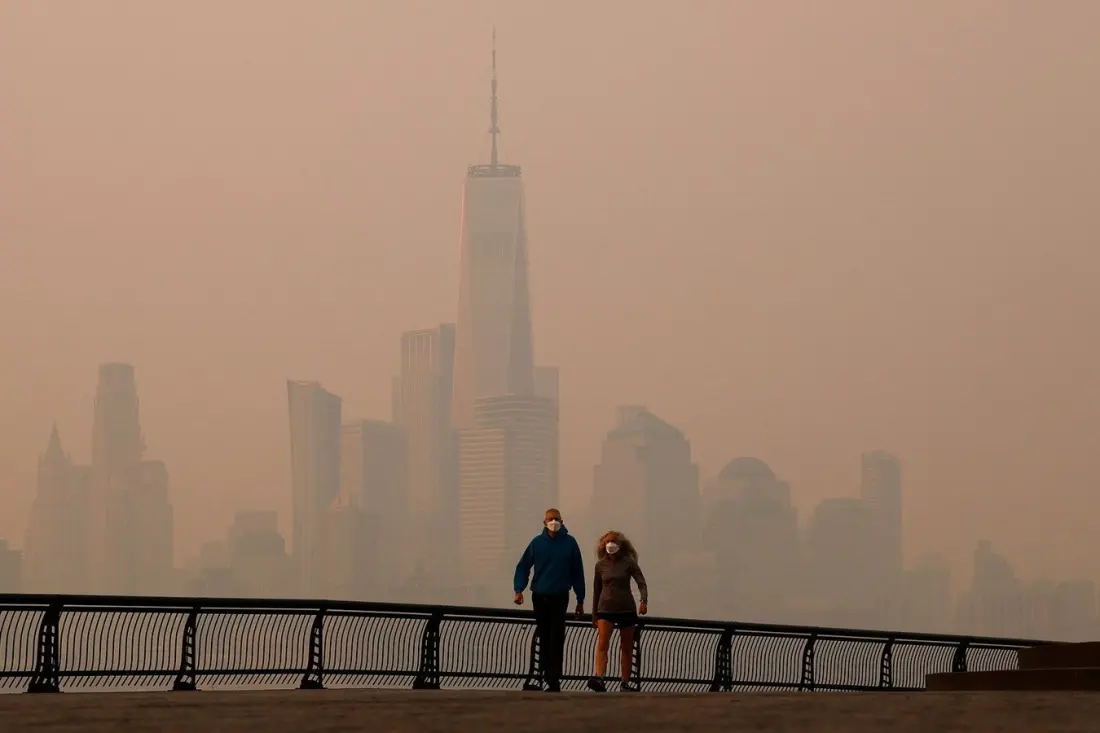
In Asia, weaker monsoons mean more sunshine for Bali, Thailand and the Philippines — offset by wildfire haze and poor air quality, as happened during 2015-16. Japan looks set for a lighter snow season.
Safari-goers face a split decision. East Africa's October-to-December short rains can wash out roads and bush airstrips (though the green scenery and birdlife are a payoff). Southern Africa, including Botswana and South Africa, turns drier — Victoria Falls may be less dramatic, but animals cluster around scarce water, making wildlife easier to spot.
Australia's Great Barrier Reef is likely to face coral bleaching by spring and summer 2027, so divers might postpone. Europe escapes most direct effects, but global heat released by El Nino has fuelled record heatwaves there — consider shoulder-season trips instead.
Whatever you book, the core advice is to expect the unexpected. Travel insurance is a smart move in an El Nino year, and adding a cancel-for-any-reason clause (which usually must be bought within hours to a few weeks of your first booking) adds extra flexibility. US travellers can enrol trips in STEP for weather alerts, and it's worth remembering that El Nino cycles historically correlate with spikes in mosquito-borne illnesses like dengue — so check health guidance before you fly.
El Nino doesn't guarantee any of these outcomes; it just shifts the odds. But if you know which way the dice are loaded, you can pick destinations that come up smiling.