
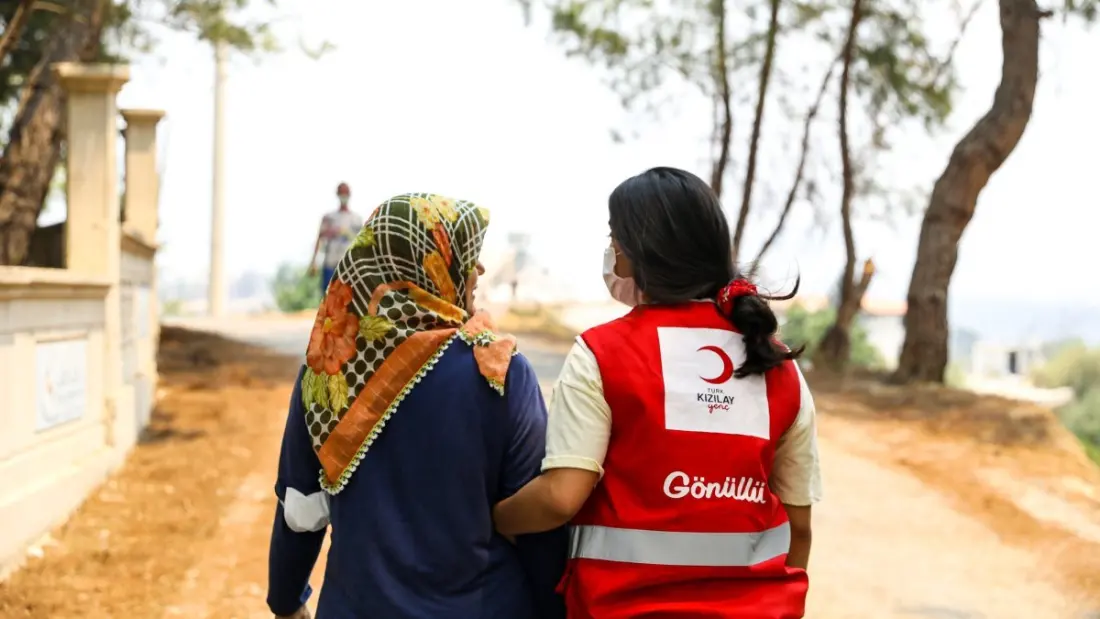
The Turkish Red Crescent (Kızılay) has released a "Psychological First Aid Handbook" timed to World First Aid Day, and it is deliberately written for ordinary people rather than clinicians. The idea: after earthquakes, floods, fires or epidemics, the people best placed to help in the first minutes and hours are often volunteers, first responders and bystanders — not therapists.
The guide condenses Kızılay's longer psychological first aid training material into a short, accessible format, built on guidelines from the International Red Cross and Red Crescent Movement's Mental Health and Psychosocial Support Hub. Examples are adapted to the kinds of events Türkiye actually experiences, which matters given the country's exposure to major earthquakes, including the devastating quakes of February 2023.
Psychological first aid, as the handbook defines it, is not therapy. It is a way of helping someone in crisis feel calm, safe and able to cope without coming to further harm. The method follows three steps: "Look, Listen, Link." Look means assessing the scene — safety risks and urgent needs. Listen means approaching people without judgment and working out what they actually need. Link means connecting them to accurate information, social support and relevant services. Guiding questions and case examples accompany each stage.
Just as useful is the list of things not to do. Don't press people for details of what happened, don't push them to share feelings they aren't ready to share, and don't make promises you can't keep. The handbook stresses that skills many of us already use without thinking — listening properly, staying calm, holding back judgment — become genuinely effective in a crisis when paired with correct information.
For travellers, this is quietly relevant. Türkiye is one of the world's most seismically active countries, and millions of visitors each year head to Istanbul, Cappadocia and the Aegean and Mediterranean coasts. Most never face an emergency, but knowing how to behave helpfully — and calmly — in the aftermath of an earthquake or fire is a practical skill, whether you're a tourist, an expat or a frequent visitor. The handbook is also a sign of how seriously Turkish authorities and aid organisations take disaster preparedness, so travellers with concerns can look into similar Red Crescent resources and basic first aid courses before a trip.
Anyone interested can find the publication through Kızılay, and the underlying approach — Look, Listen, Link — is standard across the international Red Cross movement, so equivalent guides exist in many countries. You don't need a mental health background to put it to use; that's rather the point.
Daily Sabah Travel