Türkiye's nationwide Zero Waste Movement marked its ninth anniversary on September 27, and the timing matters for travellers: the country is about to welcome tens of thousands of delegates to Antalya for the UN's COP31 climate summit, running November 9-20. Zero waste is one of the conference's ten priority themes, so visitors to the Turkish coast this autumn will see the campaign everywhere — this year's slogan is literally "Together for the World, from Zero to COP31."
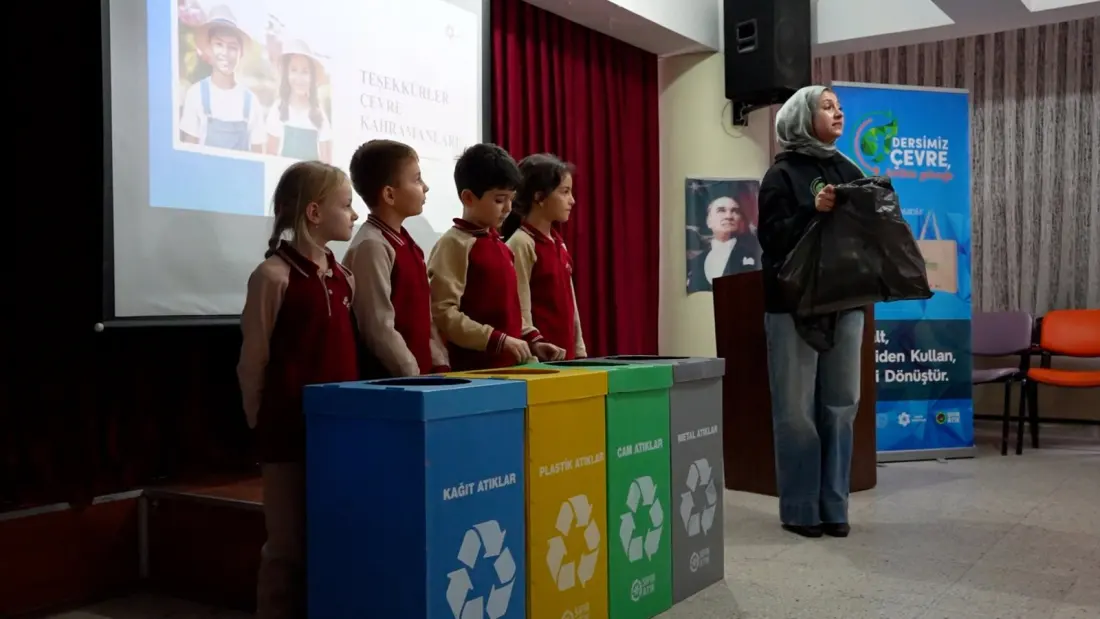
Launched in 2017 under first lady Emine Erdoğan and run by the Ministry of Environment, Urbanization and Climate Change, the programme now covers 220,000 buildings and facilities across the country. The numbers have moved fast: the national recycling rate climbed from 13% in 2017 to 37.53% in 2025, with targets of 60% by 2035 and 70% by 2053. Around 28 million people have taken part in Zero Waste training.
The economic side is striking. Between launch and the end of 2025, 90 million tons of recyclable waste re-entered the economy — including 36.1 million tons of paper and cardboard, 10.2 million tons of plastic and 30.6 million tons of organic material — worth TL 365 billion (about $7.46 billion). The ministry says the effort saved energy equivalent to what 54 million households use in a year, spared 613 million trees, saved 2 trillion litres of water and avoided roughly 180 million tons of greenhouse gas emissions.
It has also gone global. A UN General Assembly resolution pushed by Türkiye and co-sponsored by 105 countries created International Zero Waste Day on March 30, and a UN advisory board on the topic has been chaired by Emine Erdoğan since 2023. More than 459,000 volunteers from 136 countries have signed the Global Zero Waste Goodwill Declaration.
For anyone planning a coastal holiday, the most relevant piece is Zero Waste Blue, the marine offshoot launched in 2019. It has pulled roughly 375,000 tons of litter from the sea — the equivalent of about 29,000 garbage trucks — much of it along the Turkish Riviera and Aegean. In Fethiye Bay and Göcek Bay, a new mooring and buoy system now protects seagrass meadows, and the DERIA app in Göcek lets boaters reserve mooring spots digitally. The Deposit Return Packaging Management System, whose DOA-marked bottles and cans you'll spot in shops and cafes, has collected over 326 million containers, and the ministry is preparing rules to phase out single-use plastics — so expect refill-friendly habits at hotels and beach clubs.
Why should a traveller care? Because the coastline you swim on is visibly cleaner for it, and because Antalya in November will be in the global spotlight. If you're in the region during COP31, book accommodation early — prices and occupancy will spike — but consider shoulder-season visits in September or October instead, when the weather is still warm and the crowds thinner. It's a chance to see a country quietly rewiring how it handles waste, from beach clean-ups to returnable bottles, without it costing you anything as a visitor.