Two veteran long-distance hikers — one of whom has thru-hiked the entire Appalachian Trail — have concluded that Vermont's 273-mile Long Trail is harder than any of it, and day 24 of their trek showed exactly why.
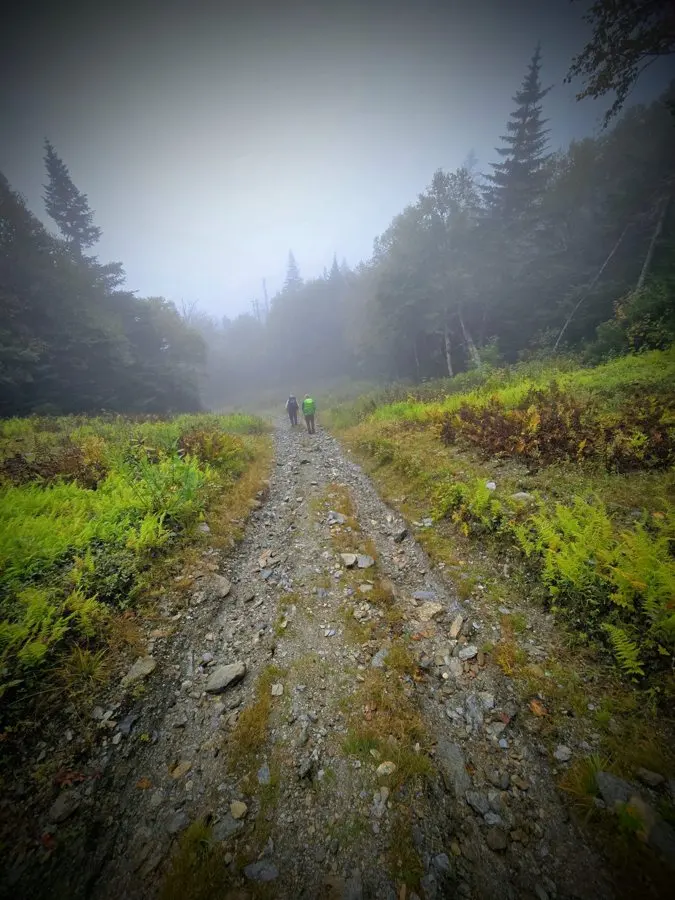
The pair set out from the Castlerock Ski Patrol Hut near mile 158, but storm clouds forced a rethink. With cliffs, aluminium ladders bolted to rock and an exposed ridge between them and Appalachian Gap, they made the call most experienced Long Trail walkers would endorse: no descending wet stone. A weak phone call to the Sugarbush ski corporation got them a safe route down old ski slopes beneath the ridge — a 469-foot drop in the first third of a mile alone — before they popped out of the fog, found a maintenance road, and celebrated at Rumbles restaurant in the valley with sandwiches and a slightly deformed crème brûlée.
What makes the Long Trail different, they explain, is the accumulation of small hazards rather than any single monster. First, the roots: decades of boot traffic have forced them into gnarled mats that rise a foot or more above the ground, perfect for catching a toe mid-stride. Second, the mud — far kinder than in 1975 thanks to bog bridges and placed rocks, but still capable of a thigh-deep sink in the worst spots. Third, the rock: gentle granite slabs that walkable at 10-15% grade can turn into hand-over-hand scrambles where the rule is always keep three points of contact.
Then there are the ladders — lumber-store planks, wood steps set into dirt, and black rebar pins embedded in grey granite that are hard to spot and, on wet days, genuinely treacherous. The hikers' hard-earned advice: Vibram soles slide sideways on wet rebar, wet marble offers no grip at all, and moss on wet granite peels away like an old scab. Wet roots are risky; wet slabs and ladders can be life-threatening.
Why does this matter if you're not a thru-hiker? The Long Trail has a deceptively mild reputation — 273 miles, how hard can it be? — but it behaves more like Scottish hill walking, where everyone accepts the danger. Day hikers and section walkers tackling sections around Camel's Hump, Mansfield or the Gap should build weather margins into their plans, know where ski trails and maintenance roads offer bail-out options, and be willing to sit out a morning of rain rather than push down wet cliffs. Sometimes the best trail decision is a bonus 3.6-mile detour ending in a warm restaurant.
Story first reported by The Trek.