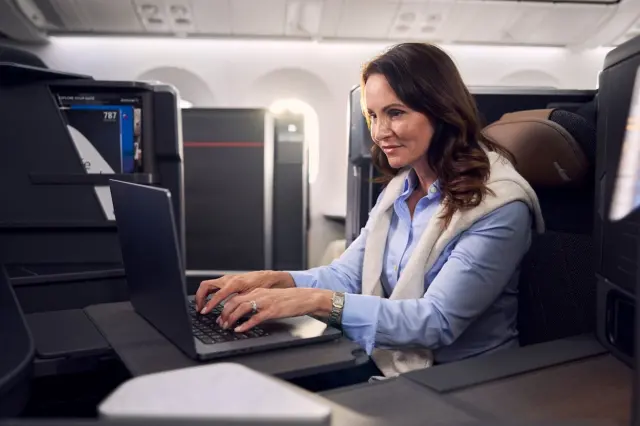
On routes like London to New York, a lie-flat business suite can top $4,500 while the recliner rows a few metres behind sell for a little over $1,000. That fourfold gap isn't sloppy pricing — it's deliberate. Airlines have quietly turned premium economy into the highest-margin section of the entire widebody cabin, and the maths behind it is reshaping what you'll find on board.
It comes down to floor space. A business suite occupies roughly 25 to 30 square feet; a premium economy recliner needs just 10 to 12. Business fares run 250% to 500% above economy, but the seats eat up 300% to 400% more room. Premium economy charges 40% to 100% more than standard economy while using only about half the extra space. Per square foot of cabin floor, the recliner wins hands down.
Operating costs tilt the equation further. Suites cost over $80,000 each to install and carry expensive baggage: motorised mechanisms that break, multi-course catering, lounge access. A recliner costs under $15,000, uses simple mechanical recline with few failure points, and needs only lightly upgraded meals. Nearly all of that fare premium drops through to profit.
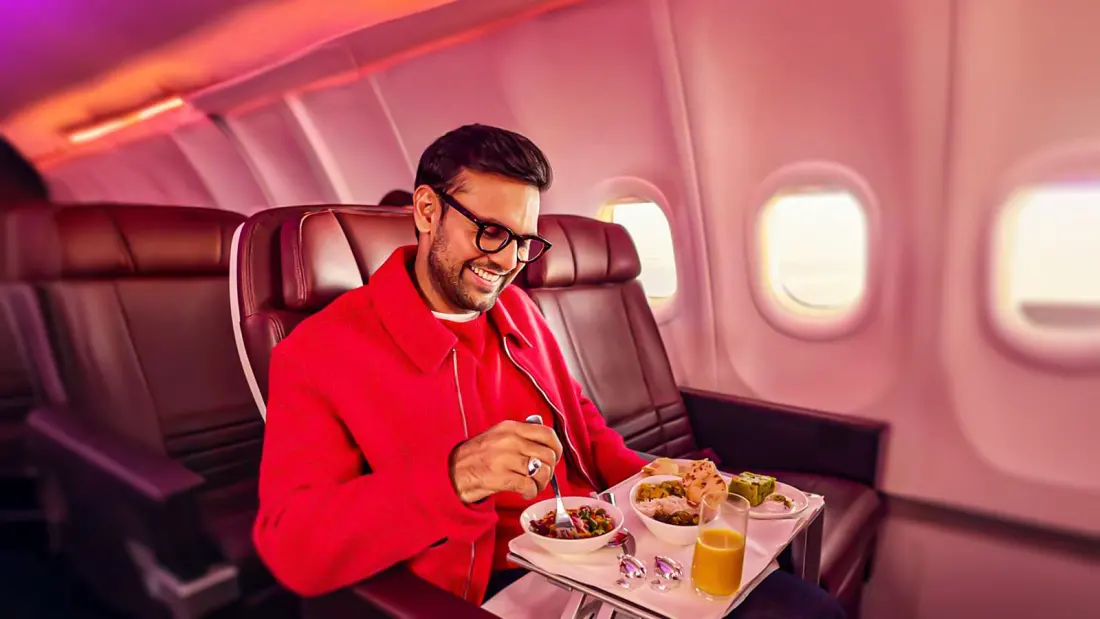
That's why carriers are stripping out economy rows during retrofits. Swapping in 2-4-2 or 2-3-2 recliner layouts means removing six or seven standard 10-abreast rows to fit five rows of premium seats — a net loss of 60 to 70 economy seats that the higher average revenue more than offsets. Air France has even rebranded the cabin simply as 'Premium' to cut its association with economy. EVA Air's fourth-generation 787-9 offers a 42-inch pitch with 15.6-inch screens in a 2-3-2 layout; Japan Airlines and Lufthansa's Allegris A350s run similar specs, some of which would pass for business class on older aircraft.
Who's paying? Mostly not corporations anymore. Company travel policies increasingly cap long-haul business travel at premium economy for flights under ten hours, while affluent leisure travellers — the demographic McKinsey identifies as the engine of premium cabin demand — pay out of pocket to upgrade. They also book 60 to 120 days ahead, giving airlines guaranteed revenue months before departure instead of volatile last-minute corporate contracts.
The losers, unsurprisingly, are budget travellers. Fewer economy seats on each widebody means less room for deep-discount fares, so the remaining back cabin gets denser — tight 30-inch pitch and 17-inch widths — effectively subsidising the aircraft while premium economy banks the profit.
For passengers, the takeaway is simple: premium economy is now the sweet spot for a long-haul flight, offering business-adjacent comfort at a fraction of the price. But the window may shift — airlines are watching how much comfort recliners can add before cannibalising their own business class sales, and a downturn in leisure spending could leave premium-heavy cabins with expensive empty seats. For now, though, the trend is only one way: new A350-1000s and 787-10s are arriving with up to 20% of the passenger deck given over to recliners.