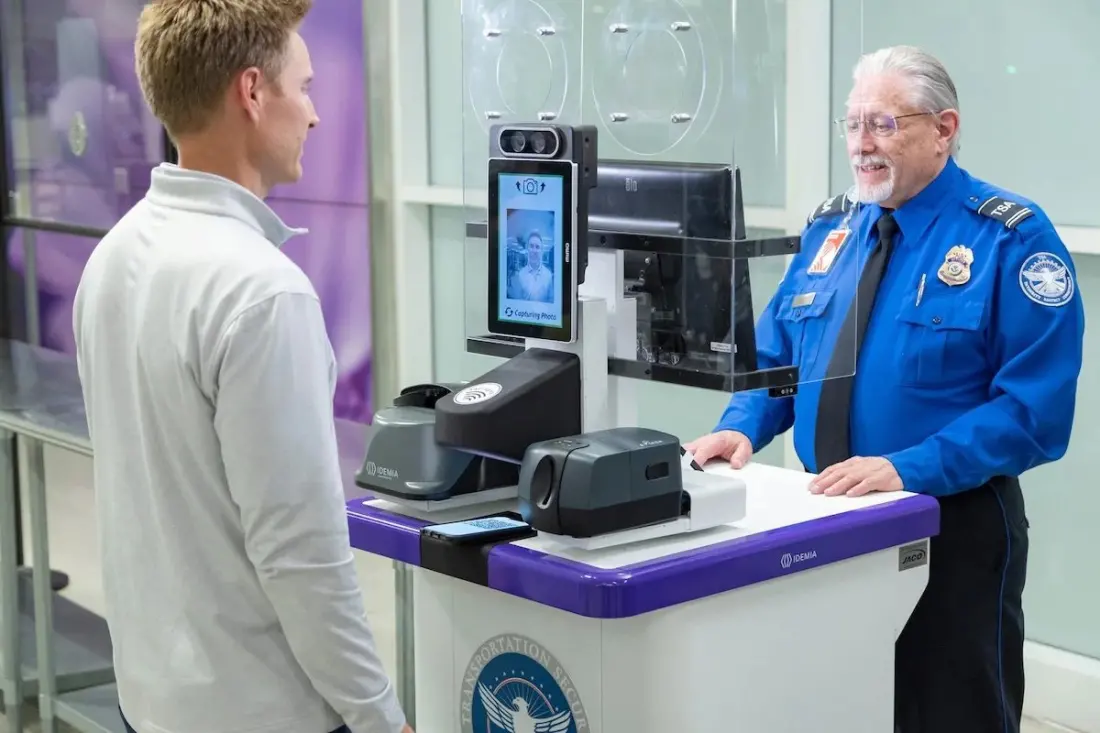
Airport security officers in the United States who check boarding passes and IDs will soon have to do it on their feet. The TSA is pulling chairs from travel document checker podiums at airports nationwide, arguing that standing officers are more alert and project a more professional, welcoming presence to passengers.
Not everyone sees it that way. The American Federation of Government Employees TSA Council 100, the union representing TSA officers, says the chairs provide basic ergonomic and safety support for people who spend entire shifts on hard concrete and tile floors. In its view, removing them just makes an already punishing job harder.
The agency's official line is that the change "reinforces both our security posture and our commitment to hospitality," and that officers must meet fitness-for-duty requirements to do their national security work while creating a welcoming environment. In a pointed response, Live and Let's Fly calls that reasoning close to comical: an officer can check an ID perfectly well seated, and if attitude is the problem, a chair was never the culprit. Most travellers, the argument goes, would rather deal with someone comfortable, rested and attentive than someone forcibly standing through hour eight of a shift.
There's a broader context worth knowing. TSA officers have dealt with long shifts, staffing shortages, difficult passengers and stretches of unpaid work during government shutdowns. A policy that removes a small physical reprieve does nothing to fix any of that — and fatigue at a checkpoint is hardly a recipe for sharper security screening. The critique lands on a simple point: if the goal is a better passenger experience, the answers are shorter lines, reliable technology, clearer signage and basic dignity for both travellers and staff, not a symbolic war on seating.
For travellers, this is mostly a story to watch rather than plan around. You won't notice much difference at the podium beyond a standing officer — but it's a window into how US airport security is managed, and a reminder that checkpoint morale and passenger experience are linked. Frequent flyers through busy US hubs may care most: tired, uncomfortable staff at peak hours rarely means faster, friendlier screening. If anything, the debate is a nudge to support common-sense improvements at security — enrol in TSA PreCheck where eligible, travel outside peak morning waves, and remember the person checking your ID is having a longer day than you are.