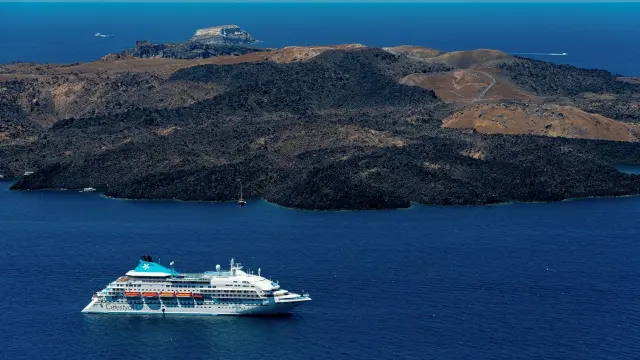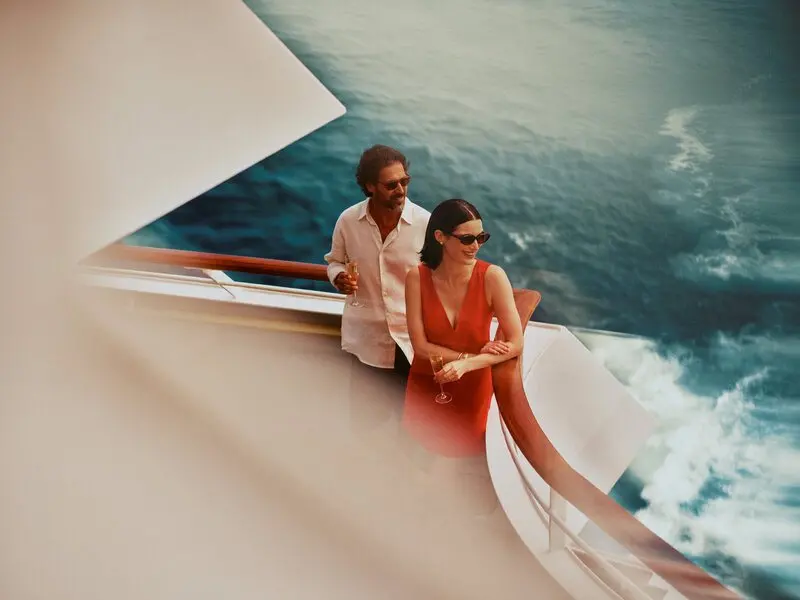
Luxury cruise line Crystal has rolled out a new global brand campaign called 'That Crystal Feeling', and the pitch is refreshingly counterintuitive for an industry obsessed with itineraries: the ship itself, not the destinations, is the star.
The campaign, created in-house and launched on 1 October, runs until 30 September 2027 across connected TV, online video, print, digital out-of-home screens and social media in markets worldwide. Rather than selling ports of call, it leans into the rhythm of life aboard — lingering over a long lunch, watching the sea slide past, or doing absolutely nothing without feeling guilty about it.
That's a deliberate contrast with mainstream travel culture, which tends to treat holidays as a checklist to be maximised. Crystal's messaging flips that: with every detail handled and personal preferences catered to, guests are invited to set their own pace and wander without a plan. Destinations still matter, the line says, but it's the onboard experience that elevates the trip.
Peter Chipchase, chief brand officer at parent company Abercrombie & Kent Travel Group, put it this way: the campaign should feel less like advertising and more like a memory — a set of impressions and sensations that takes you back to how it felt to be there. The feeling, in other words, is meant to be experienced rather than described.
Why should a traveller care? Because it signals where Crystal is positioning itself post-relaunch: as a slow, service-led alternative to packed mega-ships and port-intensive sailings. If your idea of a good holiday involves unhurried days at sea, attentive staff and room to breathe rather than a frantic shore excursion every morning, that's exactly the mood this campaign is selling. For everyone else, it's still a useful signal of how the luxury cruise market is evolving — away from 'more ports, more activities' and toward rest as the ultimate luxury.
Anyone considering a Crystal sailing in the next year can expect the brand to lean hard into this slower-is-better identity across its marketing, which should give a fair preview of the onboard tone: fewer prompts, fewer schedules, and more space to simply be at sea.