
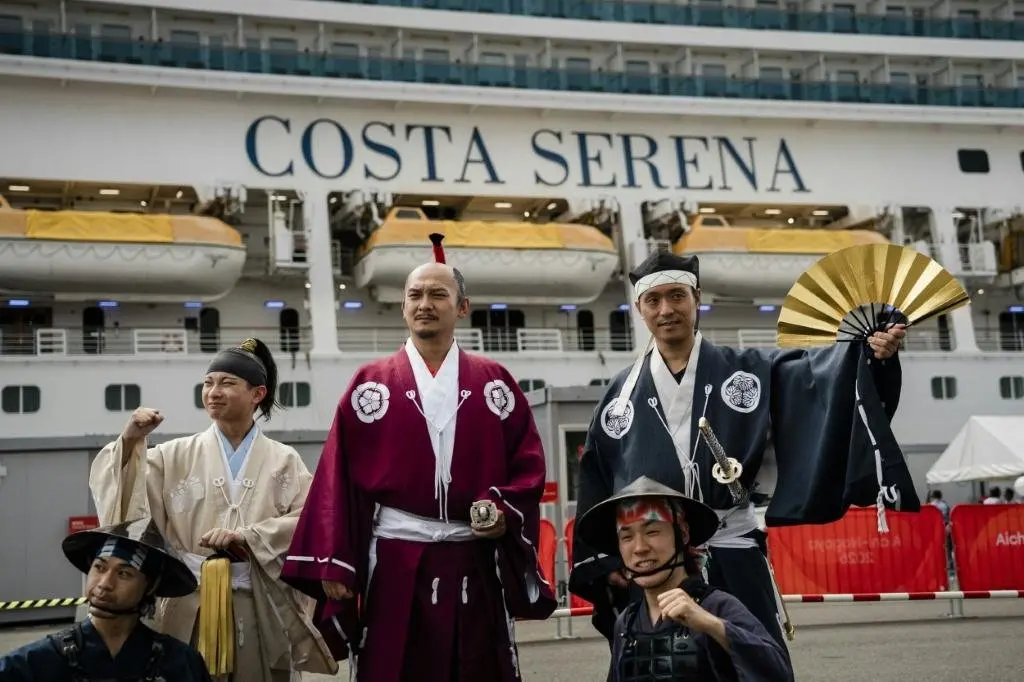
Nagoya has an unusual new hotel: the Costa Serena, an Italian cruise ship nearly 300 metres long with 1,500 cabins, docked this week to house around 4,000 athletes and officials for the Asian Games, which run until October 4. It's the first time Japan has used a cruise ship as accommodation for a major international sporting event, and organizers chartered it for roughly 4.5 billion yen (about $28 million).
Why go to such lengths? Scale, mostly. More than 17,000 athletes and officials are descending on the city — a bigger field than the Olympics — and Nagoya simply doesn't have the beds. So the ship is part of a three-pronged plan that also includes wooden container-style huts and regular hotel rooms, all in the name of keeping costs down.
That plan is creaking. South Korean officials have called the container huts the "worst ever" athlete accommodation, with beds too small for their basketball players, and one athlete posted footage of a leaking sink and a soaked floor. Delegations from Taiwan and the Philippines have echoed the complaints — coaches and officials shuffled between hotels and Airbnbs, a general shortage of beds — and a South Korean Olympic committee official claims concerns have been raised by all 45 competing nations. To top it off, hundreds of athletes were briefly evacuated last week when record rainfall flooded parts of Nagoya.
Organizers, though, are sticking to their script. Local committee president Hideaki Omura pitched the temporary set-up as a potential model for financially sustainable mega-events, and captain Federico Sias welcomed athletes aboard with talk of friendship and unity. The ship itself carries history: it's a sister vessel of the Costa Concordia, which sank off Tuscany in 2012 with the loss of 32 lives. And with the Games running through Japan's typhoon season, the optics of housing thousands on a floating hotel are, at the very least, being watched closely.
For travellers, the takeaway is less about athlete welfare and more about what happens to a host city when a huge event outgrows its accommodation. Nagoya's hotel market is stretched thin for the duration, so anyone planning a trip that overlaps with the Games should book early and expect elevated prices. The flip side: the city is in the spotlight, with transport, signage and event venues running at full tilt, and tickets to watch elite Asian competition remain accessible to visitors.
If you're heading to Nagoya for the Games, look beyond the host city too — Kyoto is under 40 minutes by shinkansen, and the ship itself is a curious sight at the port even if you're not sleeping on it.