
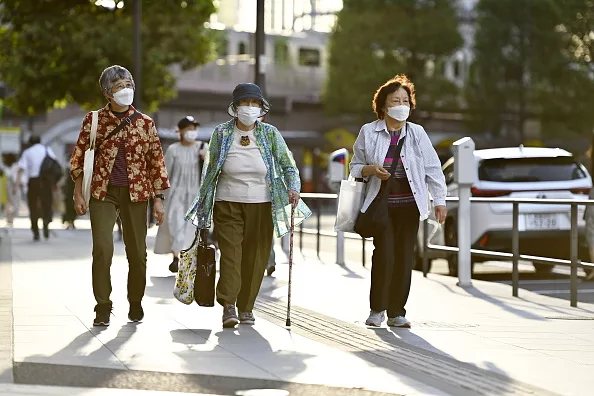
Japan has crossed a demographic milestone no other country has reached: more than 100,000 citizens aged 100 or older. The Ministry of Health, Labour and Welfare puts the figure at 107,677 centenarians this year, roughly 8,000 more than last year and the 56th straight year the number has climbed.
Women dominate the group. Of the total, 94,298 are female — around 88%. Japan's life expectancy has long ranked among the highest in the world, and the government credits better living conditions, diet and advances in medical care. Beyond the statistics, there's a cultural layer that fascinates outsiders: ikigai, the idea of having a purpose or reason for being, which researchers and wellness enthusiasts frequently link to Japanese longevity.
There's a catch, though. More centenarians is good news for individuals but a headache for the state. With a persistently low birth rate, Japan's working-age population is shrinking, straining healthcare, pensions and elderly care systems. The government is pushing people to work later into life and recruiting foreign workers to fill labour gaps. So the record reads two ways: a triumph of public health and a warning about sustainability.
For visitors, this story is less about policy and more about what longevity reveals about daily life in Japan. The country's food culture — small portions, fresh fish, seasonal vegetables, green tea — is inseparable from its wellbeing reputation. Regions like Okinawa, famous for producing unusually high numbers of very old residents, have become pilgrimage spots for travellers curious about how diet, community and purpose combine. Walking through a Tokyo neighbourhood at dawn you'll see it firsthand: groups of older residents exercising in parks, tending allotments, running shops well into their eighties.
Even if you're not chasing a longevity blueprint, Japan makes it easy to eat and live well on holiday. Slurp soba in a mountain town, soak in an onsen, join a morning walk around a shrine garden. The slower rhythms that keep Japanese elders healthy are baked into experiences any traveller can sample — and that's arguably a better souvenir than anything you can buy.
The centenarian record may not change your itinerary, but it reframes a country usually visited for temples and sushi. Japan is also a place where growing old looks good — and where you can taste, walk and bathe your way to understanding why.