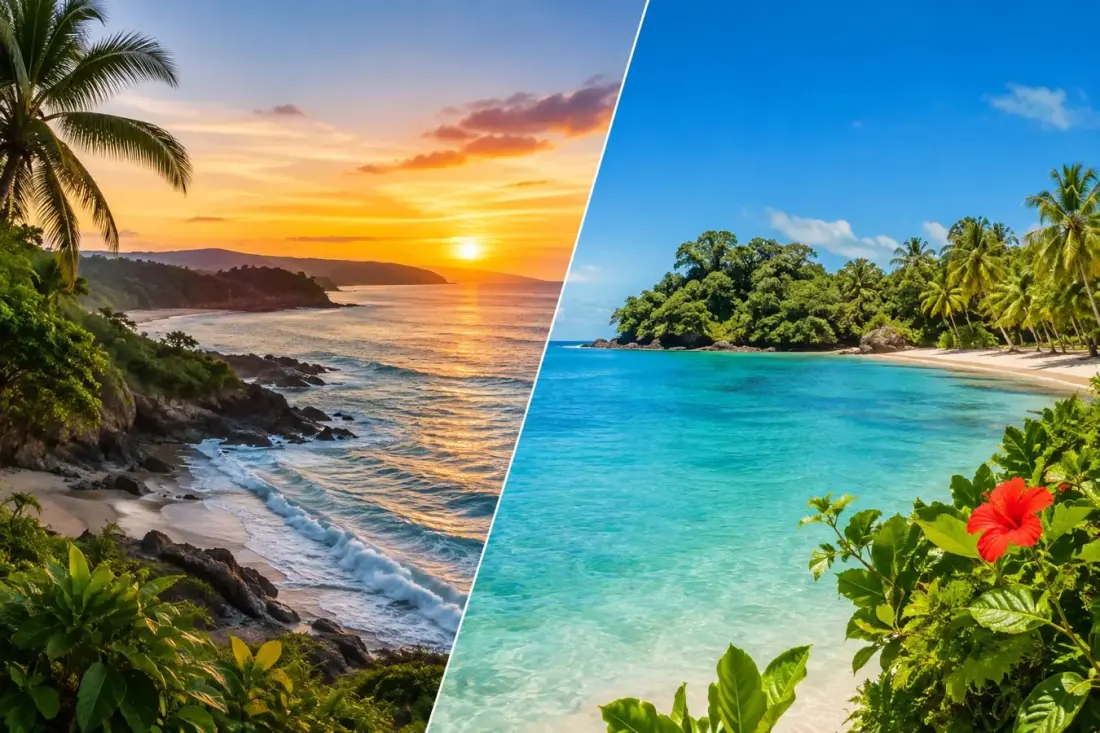
Stand on a beach in Santa Teresa at sunset, then wake up to rain on a tin roof near Puerto Viejo and you'll understand: Costa Rica's Pacific and Caribbean coasts are two different countries in all but name. The roads between them cross mountains, cloud forest and banana country, and each side asks something different of the traveller.
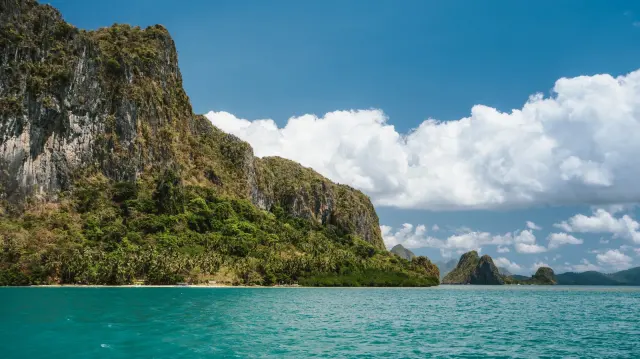
The Pacific is the Costa Rica most people imagine first. It stretches from the dry resort country of Guanacaste, with towns like Tamarindo, Nosara and Playa Flamingo built around surf, golf and easy international services, down through bohemian Santa Teresa and the forest-edged coves of Manuel Antonio, to the far south around Uvita, Dominical and whale-watching season, and finally the wild Osa Peninsula, where Corcovado's scarlet macaws and tapirs outrank any beach club. Its selling point is choice: you can build a five-star villa week, a family holiday or a hardcore surf trip here. The trade-off is crowds, higher prices and real development pressure in the popular spots.
The Caribbean is smaller, greener and less predictable. Rainforest presses right up to the sand around Puerto Viejo de Talamanca, with neighbouring Playa Cocles drawing surfers, Punta Uva offering calmer water, and Manzanillo near the Gandoca-Manzanillo refuge made for bicycles and unhurried days. Afro-Caribbean culture shapes everything here — coconut milk rice and beans, jerk seasoning, fresh fish, plantains and homemade hot sauces are living food traditions, not restaurant theatre. Further north, Tortuguero's canals are reachable only by boat or small plane and famous for decades of green turtle monitoring. The weather does what it wants: drier spells often fall around February-March and September-October, but bring flexibility.
So which coast? First-timers usually start Pacific-side for dependable December-to-April sunshine and easy access via Liberia airport. Choose the Caribbean if you'd rather have rainforest, culture and food than resort polish, and don't mind a tropical downpour rearranging your afternoon.
Both coasts fit in one trip, but don't treat the country like a theme park. Crossings take a full travel day thanks to mountain roads and weather, so a 10-14 day itinerary works best: several nights on one coast, a stop in the Central Valley, then real time on the other. Domestic flights help for remote spots, though the drive rewards you with fruit stands and coffee country. With only a week, pick one coast and stay put.
One more thing worth carrying home: both shores are under strain from climate change, construction and plastic waste. Skip the coral-touching, respect turtle nesting areas, carry a refillable bottle, and mind water use — especially in the drier Pacific towns.
Howler Costa Rica