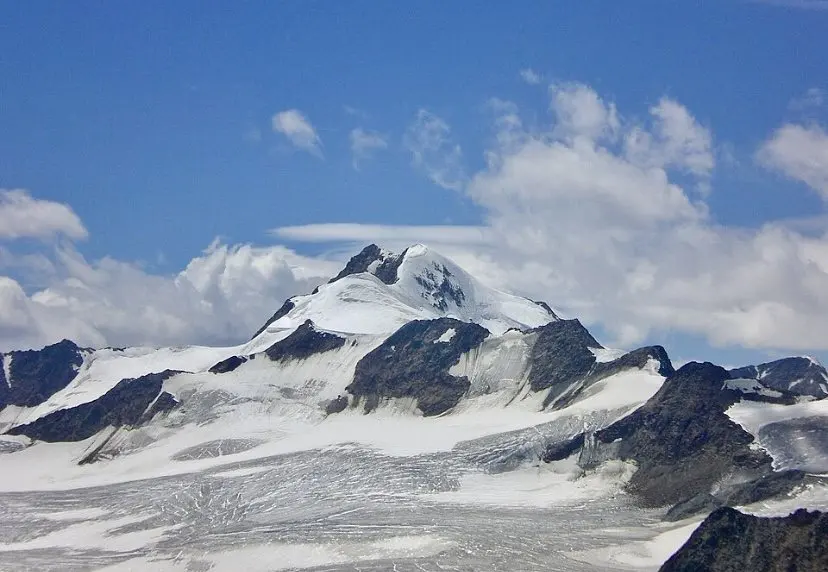
The heat did the damage before anyone laced up their boots. Weeks of above-freezing temperatures above 3,000m stripped the protective snowpack off Austria's glaciers this summer, leaving fragile snow bridges and bare ice behind. The result: 19 crevasse incidents between May and September 2026, almost three times the ten-year average of seven, according to the Austrian Board for Alpine Safety's accident database. Several established glacier routes had to close, and one fall on the Wildspitze in Tyrol proved fatal.
The odd twist in this year's numbers is that fewer people died overall. Summer fatalities dropped to 62, down from 78 in 2025 and well under the long-term average of around 80 — close to the record low of 61 set in 2014. Yet the raw accident count went up, and Tyrol bore the brunt: half of all accidents and 33 of the 62 deaths happened there.
More people also needed help without being seriously hurt. Rescues of uninjured people in distress ran about 70% higher than in 2017, and injuries climbed by nearly half. That's partly down to volume: from May 1 to September 13, 2,742 people were out hiking, climbing, on high-mountain tours or via ferratas, against a ten-year average of 2,351.
The stats are a useful reality check for anyone planning alpine time. Plain hiking — not extreme alpinism — generates most of the trouble, accounting for 65% of unhurt rescues, 47% of injuries, and half of all deaths. Falls and slips killed 30 people; cardiovascular emergencies killed 18. In other words, the mountains don't have to be technically demanding to be dangerous, and basic fitness and sure footing matter as much as rope skills.
For travellers eyeing glacier routes, the crevasse spike is the clearest warning. Snow bridges that were reliable in past decades are collapsing earlier in the season as summers get hotter, so routes that look straightforward on an old trip report may not be. Guided glacier tours, current route condition checks, and an honest look at whether a crossing is still safe by late summer are now part of the planning, not an optional extra.
This story is a snapshot of how warming summers are reshaping alpine holidays in real time — with hard numbers behind it. Worth a read if the Alps are on your list for next season.